Installation guide
 Owner’s manual
 Error Codes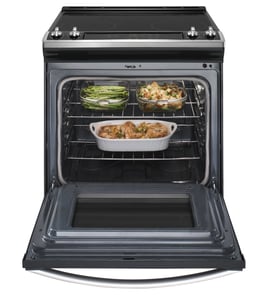



How do I find the model number on my WFE320M0ES2?
On the Whirlpool WFE320M0ES2 range, the model number is printed on a rating label. We most often see it on the oven frame behind the storage drawer or along the door frame area; the exact location is shown in the owner's manual.
Where to look (most common spots)
- Behind the storage drawer: pull the drawer out and look on the frame
- Oven door frame: open the oven door and check the front frame edge
- Lower side trim/frame near the drawer opening
- Back panel (less common, but possible)
How to read the label correctly
- Copy the full model number exactly: WFE320M0ES2
- Also record the serial number; it helps match the correct revision of parts
- If the label is worn, take a clear photo with good lighting and zoom in
Why the exact model number matters
Whirlpool ranges can look identical but use different wiring, elements, or controls. Using the full model number ensures the parts list and diagrams match your unit.
Examples of parts that depend on the exact model match
| Part type | Example from this model’s parts list | What it affects |
|---|---|---|
| Temperature sensing | Range oven temperature sensor WPW10181986 | Oven accuracy |
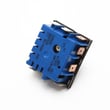
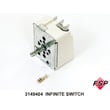
| Surface burner control | Range dual surface element control switch WPW10434452 | Burner heat regulation |
| Door sealing | Range oven door seal W11542153 | Heat retention |
Last updated: March 2026
What is the average lifespan of WFE320M0ES2?
A Whirlpool electric range like the WFE320M0ES2 typically lasts 13 to 15 years with normal home use and basic maintenance (keeping the cooktop clean, avoiding slamming the oven door, and fixing heating issues early). For care and cleaning guidance, use the owner's manual.
What affects lifespan most
- Heating components: surface elements and the broil/bake heating circuits wear with heavy use
- Heat stress: frequent high-heat baking or broiling can shorten element and wiring life
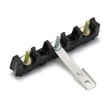
- Power supply quality: loose connections at the terminal block can cause overheating
- Door sealing: a worn door seal makes the oven run longer and hotter than necessary
- Cleaning habits: spills left to bake on can damage finishes and create hot spots
Parts that commonly wear before the range does
If the range still powers on but performance drops, these are typical wear items:
- Surface element switch: range dual surface element control switch WPW10434452
- Oven temperature sensing: range oven temperature sensor WPW10181986
- Broil heating: broiler element W10856603
- Door sealing: range oven door seal W11542153
Quick expectations by component
| Component | Typical symptom when worn | Usual fix |
|---|---|---|
| Surface element or switch | Burner will not heat or cycles erratically | Replace element or switch |
| Oven temperature sensor | Oven runs too hot or too cool | Replace sensor |
| Door seal/hinges | Heat leaks, longer cook times | Replace seal or hinge |
Why it matters
Knowing the 13 to 15 year lifespan helps you decide whether to repair (often cost-effective for a sensor, element, or switch) or plan for replacement if multiple major issues show up at once.
Last updated: March 2026
What replacement parts are most commonly needed for the WFE320M0ES2?
For the Whirlpool WFE320M0ES2 electric range, the most commonly replaced parts are the surface heating components, oven temperature sensing parts, and door hardware. Use the diagrams in the owner's manual to confirm which component matches your symptom before ordering.
Most common replacement parts (by symptom)
- Burner will not heat or won’t regulate: range dual surface element control switch WPW10434452
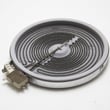
- Surface element not heating evenly or not heating: range radiant surface element W11171119 or range dual radiant surface element W11517959
- Oven temperature inaccurate: range oven temperature sensor WPW10181986
- Broil not working: broiler element W10856603
- Heat leaking, longer bake times: range oven door seal W11542153
- Door won’t close right or drops: range oven door hinge WPW10299227
Quick “part to problem” guide
| Problem | What we check first | Common fix |
|---|---|---|
| One burner dead | Switch and element | Replace switch or element |
| Oven too hot/too cool | Sensor | Replace sensor |
| Broil dead | Broil element | Replace broil element |
| Door leaks heat | Door seal | Replace seal |
Before you order: fast checks that prevent wrong parts
- Confirm whether the burner is single or dual (dual uses a different switch/element)
- Inspect for visible damage: blistered element, cracked radiant surface, loose terminals
- If the range is completely dead, check for loose or overheated power connections at the terminal block (power off first)
Why it matters
Replacing the correct heating or control part restores safe, consistent cooking temperatures and prevents repeated failures caused by overheating, poor connections, or heat loss at the door.
Last updated: March 2026