 Installation guide
 Owner’s manual


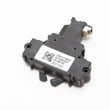
Can I replace dishwasher parts myself?
Yes, for the GE GDT665SMN3ES dishwasher we see many customers successfully replace common wear parts themselves (like spray arms, a door latch, or a drain hose) by shutting off power and water and following the steps in the GDT665SMN3ES owner’s manual. For electrical or plumbing-heavy repairs, use the GDT665SMN3ES installation guide as a safety checklist and plan extra time.
What you can usually DIY (and what to prep)
Many repairs are straightforward if you can remove panels, use a nut driver, and keep track of screws.
- Turn off power at the breaker (reduce shock risk before any maintenance)
- Shut off the water supply under the sink
- Protect the floor with towels; keep a shallow pan handy
- Take photos of wire and hose routing before disconnecting anything
- Use the right part for your exact model number GDT665SMN3ES
Common parts customers replace on this model
These are typical DIY-friendly replacements when symptoms match:
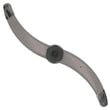
- Poor cleaning or weak spray: dishwasher spray arm, lower WD22X33499
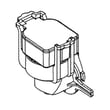
- Door won’t latch or won’t start: GE dishwasher door latch lock WD21X10490
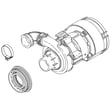
- Not draining or standing water: dishwasher drain pump WD19X25461 or dishwasher drain hose WD24X10062
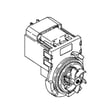
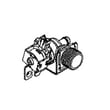
- Not filling or fills slowly: dishwasher water inlet valve WD15X26078
DIY vs. technician: quick comparison
| Repair type | Typical difficulty | Why | Good next step |
|---|---|---|---|
| Spray arm, drain hose, tub gasket | Easy | Mostly clips, clamps, and accessible fasteners | Confirm fit and follow manual steps |
| Drain pump, inlet valve | Medium | Water connections, leak checks required | Plan time to test for leaks |
| Control board, wire harness, heating circuit | Advanced | Electrical diagnosis and safe handling | Use troubleshooting steps and error codes |
Why it matters
Dishwashers combine water, heat, and electricity. The manual guidance to disconnect power before maintenance and the installation guidance about proper enclosure and safe wiring help prevent leaks, shock hazards, and repeat failures.
If the dishwasher won’t run and you suspect an error condition, use GE electronic dishwasher error codes to narrow the problem before ordering parts.
Last updated: February 2026
What is the average life expectancy of a GE dishwasher?
A GE dishwasher typically lasts 10 to 12 years. For your GE GDT665SMN3ES, lifespan depends most on water quality, how often it runs, and routine care like cleaning and checking seals, spray arms, and drainage.
What affects lifespan the most
- Hard water and mineral buildup: can reduce cleaning performance and strain the wash system.
- Heat and drying use: frequent heated dry cycles add wear to heating and venting components.
- Drain and fill health: slow draining or weak filling makes the unit work harder each cycle.
- Loading habits: blocked spray paths can lead to poor cleaning and repeat washes.
- Basic maintenance: periodic interior cleaning helps prevent odors and buildup.
Maintenance that helps you reach the 10 to 12 year range
Use the care guidance in the GDT665SMN3ES owner’s manual and focus on these high-impact steps:
- Run a dishwasher cleaner or citric-acid cleaning cycle periodically to reduce film and deposits
- Keep spray paths clear; remove labels, seeds, and debris from dishes before loading
- Inspect the door seal area for residue and wipe it clean
- Confirm the unit drains strongly at the end of the cycle
- Use the right detergent amount for your water hardness (too much can cause etching)
Common wear items and what they do
If performance drops, these parts are often involved:
| Symptom | Common area to check | Example part for this model |
|---|---|---|
| Not draining well | Drain path and pump | Dishwasher drain pump WD19X25461 |
| Not filling or fills slowly | Water supply and valve | Dishwasher water inlet valve WD15X26078 |
| Poor cleaning, food left behind | Spray arms and wash circulation | Dishwasher spray arm, lower WD22X33499 |
Why it matters
Dishwashers usually fail gradually, not suddenly. Catching early signs (slow drain, weak spray, mineral film, or repeated poor cleaning) helps you avoid extra strain on the wash pump, heater, and controls, which is what shortens overall life.
Last updated: February 2026
What is the most common problem with GE dishwashers?
The most common GE dishwasher problems are not draining, not starting, and leaking. On the GE GDT665SMN3ES, these issues usually trace back to a clogged filter or drain path, a door-latch or control lock condition, or a worn door seal or loose hose connection; our GDT665SMN3ES owner’s manual walks through the key checks.
Most common issues and what to check first
- Not draining: check the filter area for debris, then inspect the drain hose for kinks or a blockage.
- Won’t start or stops mid-cycle: confirm the breaker is on, a wall switch (if used) is on, and the control panel is not locked.
- Leak detected and cycle cancels: look for water under the unit and check door sealing surfaces.
- Poor cleaning: make sure spray arms spin freely and are not clogged.
- Suds/overflow: use only automatic dishwasher detergent (hand dish soap causes heavy suds).
Parts that commonly solve these symptoms (when cleaning does not)
If basic cleaning and reset steps do not fix the problem, these model-matched parts are frequent culprits:
| Symptom | Common cause | Example part for GDT665SMN3ES |
|---|---|---|
| Water left in tub | Drain pump not pumping, blockage damage | Dishwasher drain pump WD19X25461 |
| Won’t fill or fills slowly | Inlet valve restricted or failed | Dishwasher water inlet valve WD15X26078 |
| Won’t start, beeps, or won’t latch | Door latch not proving closed | GE dishwasher door latch lock WD21X10490 |
| Stops, odd wash behavior | Water level/pressure sensing issue | GE dishwasher pressure sensor WD21X25468 |
Quick troubleshooting flow (fastest to slowest)
- Power and controls: reset the breaker; verify any wall switch is on; unlock the control panel.
- Drain path: clear the filter area; confirm the drain hose is not kinked.
- Door closure: close the door firmly; check for a misaligned latch.
- Fill and wash action: listen for filling; confirm spray arms are not blocked.
- Error codes: use GE electronic dishwasher error codes to match symptoms to a specific fault.
Why it matters
Drain, latch, and leak-detection related problems can cancel cycles and leave standing water, which quickly leads to odor, poor cleaning, and repeat failures. Catching the root cause early helps protect the wash pump, heater, and control board.
Last updated: February 2026





