


Does anyone sell wine coolers anymore?
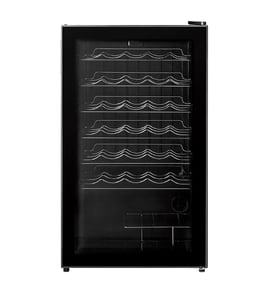
Yes. Wine and beverage coolers are still widely sold, including compact units like the Haier BC112G. If you already own a BC112G, we can help you keep it running by replacing common wear items such as the leveling leg WR01X29920 or door lock WR01X29916.
What people mean by “wine cooler”
The term gets used for two different products; it helps to confirm which one you need.
| Term people use | What it usually means | What we support on this page |
|---|---|---|
| Wine cooler (drink) | A flavored alcoholic beverage | Not an appliance part |
| Wine cooler (appliance) | A wine refrigerator or beverage cooler | Parts for Haier BC112G |
If you are shopping for an appliance wine cooler
We focus on helping you identify your model and get the right replacement parts.
- Match the model number on the rating label to BC112G
- Decide if you need a wine-only unit or a beverage cooler (temperature range and shelving differ)
- Measure the opening (freestanding vs. built-in clearance)
- Check door swing and whether you need a lock
- Plan for leveling; an unlevel cabinet can cause vibration and door sealing issues
If you already have a Haier BC112G and it is not working right
These quick checks solve many “not cooling” or “noisy” complaints.
- Verify the outlet has power and the control is set colder
- Make sure the door closes fully and the gasket is sealing
- Confirm the cabinet is level; adjust or replace a damaged leveling leg WR01X29920
- Leave airflow space around the unit; blocked vents raise temperatures
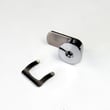
- If the door will not stay shut or secure, inspect the latch and replace the door lock WR01X29916 if worn
Why it matters
Wine and beverage coolers rely on steady temperatures and a tight door seal. Leveling, proper airflow, and a secure latch reduce compressor run time, prevent warm spots, and protect your bottles and cans.
Last updated: February 2026
Is there a difference between a wine fridge and a wine cooler?
Yes. In everyday use, “wine fridge” and “wine cooler” often mean the same thing, but the practical difference is purpose: a wine fridge is typically used for longer-term storage with steadier temperature control, while a wine cooler is often used for short-term chilling to serving temperature. Your Haier BC112G is a wine and beverage cooler designed for convenient cooling and storage.
What people usually mean by each term
- Wine cooler: Focused on getting bottles to a drinkable temperature and keeping them ready to serve.
- Wine fridge (wine refrigerator): Focused on stable, consistent storage over time.
- Wine cabinet/cellar unit: Higher-end storage with tighter control (often larger capacity).
- Beverage cooler: Similar appliance, but optimized for cans and mixed drinks, not just wine.
Feature comparison (typical)
| Feature | Wine cooler (typical) | Wine fridge (typical) |
|---|---|---|
| Main goal | Serving-temp chilling | Longer-term storage |
| Temperature stability | Good | Better |
| Vibration control | Basic | More robust |
| Shelving | Mixed use | Often wine-bottle focused |
Why the wording matters when buying parts
When you’re ordering parts for the Haier BC112G, the label on the door does not matter as much as the exact model number and the specific part you need. For example, if the unit will not sit level or the door will not align correctly, replacing a worn foot can help.
Parts on this model page that commonly relate to fit and door issues
- Leveling leg WR01X29920 (helps stabilize the cabinet and improve door alignment)
- Door lock WR01X29916 (helps secure the door closed, depending on your setup)
- Check the cabinet for rocking, then adjust the front feet until the door seals evenly
Why it matters
Wine tastes best when temperature swings are minimized. Even if you call it a “wine fridge” or “wine cooler,” keeping the unit level, the door closing properly, and airflow unobstructed helps maintain steadier cooling performance.
Last updated: February 2026
What happened to BC112G?
BC112G is a Haier wine and beverage cooler model number, not a person or music group. If you are asking why your Haier BC112G cooler is not cooling, not powering on, or the door will not stay closed or lock, we focus on troubleshooting and the correct replacement parts for this appliance, such as the door lock WR01X29916.
What “BC112G” means on this page
On Sears PartsDirect, BC112G identifies the exact Haier wine cooler so you can match parts and diagrams correctly.
Common reasons you might be searching this model number:
- You need a replacement part that fits BC112G
- The cooler is not cooling to temperature
- The door will not close evenly or the unit rocks
- The door lock is broken or missing
Quick checks for common BC112G problems
Before ordering parts, we recommend these basic checks:
- Power: Confirm the outlet works and the cord is fully seated.
- Temperature setting: Set colder and allow 24 hours to stabilize.
- Airflow: Keep vents clear; do not pack bottles tightly against interior airflow paths.
- Room conditions: Very hot rooms make any wine cooler struggle.
- Leveling: If the cabinet rocks, adjust the feet so the door seals evenly.
Parts on this page that often solve “what happened” symptoms
| Symptom | What to check | Part on this page |
|---|---|---|
| Door will not latch or lock | Broken latch/lock mechanism | Door lock WR01X29916 |
| Unit rocks, door swings open | Cabinet not level | Leveling leg WR01X29920 |
Why it matters
Using the exact model number (BC112G) prevents fit issues and repeat repairs. A wine and beverage cooler that is not level or not sealing can run longer, warm up, and struggle to hold temperature.
Last updated: February 2026
What is the life expectancy of a wine cooler?
A wine cooler typically lasts 10 to 15 years. For your Haier BC112G wine & beverage cooler, good airflow, stable leveling, clean condenser areas, and a tight door seal are the biggest factors that help you reach the high end of that lifespan.
What affects how long a wine cooler lasts
- Ventilation and heat: Poor airflow makes the compressor run longer and hotter.
- Door seal and door habits: Frequent opening or a weak seal causes temperature swings.
- Leveling and vibration: An unlevel cabinet can increase noise and stress on components.
- Room conditions: Hot garages or tight cabinets shorten life.
- Cleaning and upkeep: Dust buildup around cooling components reduces efficiency.
Quick maintenance checklist (best payoff)
- Keep the unit level and stable; adjust the leveling leg WR01X29920 if the cabinet rocks.
- Leave clearance for airflow around the cooler (especially the back and sides).
- Clean dust from accessible vents and grills every few months.
- Confirm the door closes firmly; avoid overloading shelves so bottles do not interfere.
- Use a consistent temperature setting; avoid frequent large adjustments.
Common “end-of-life” symptoms vs. fixable issues
| Symptom | Often fixable? | What to check first |
|---|---|---|
| Runs constantly, won’t hold temp | Sometimes | Airflow clearance, dust, door closing/seal |
| Loud rattling or vibration | Often | Leveling, cabinet contact with wall/cabinet |
| Door will not stay shut | Often | Alignment, obstructions, latch/lock condition |
| No cooling at all | Sometimes | Power, controls, internal electrical issues |
Why it matters
A wine cooler is a small refrigeration system; when it runs hot or cycles too often, the compressor and sealed system wear faster. Simple steps like leveling and airflow reduce runtime, protect wine storage temperatures, and extend service life.
Last updated: February 2026
What is the most common problem with wine coolers?
The most common problem with wine coolers (including the Haier BC112G) is inconsistent or warm temperatures. In most cases, the root cause is restricted airflow or heat not being released properly, which makes the cooling system run longer and struggle to hold a steady set temperature.
What usually causes temperature problems
- Poor ventilation around the cabinet (especially in tight built-in spaces)
- Dust buildup on condenser areas and air passages
- Door not sealing fully or being opened frequently
- Overloading the shelves so air cannot circulate
- Room temperature that is too warm for the cooler’s design
Quick checks you can do first
- Confirm airflow: Leave a few inches of clearance around vents and the back.
- Level the cabinet: An unlevel cooler can affect door alignment and sealing; replace a damaged or missing leveling leg WR01X29920 if needed.
- Check the door closure: Make sure the door closes squarely and stays shut; if the door will not stay closed or latch correctly, inspect the door lock WR01X29916 (if your unit uses it for closure).
- Reduce load: Avoid packing bottles and cans tightly against interior air outlets.
- Stabilize the environment: Keep the cooler away from ovens, direct sun, and heat registers.
Symptoms and the most likely causes
| Symptom | Most likely cause | What to do next |
|---|---|---|
| Warmer than set temp | Poor ventilation, dirty condenser area | Improve clearance; clean dust; recheck after 24 hours |
| Temp swings up and down | Frequent door openings, overloading | Reduce openings; improve air circulation |
| Runs constantly | Heat can’t dissipate, warm room | Improve ventilation; move to cooler location |
| Door not closing fully | Unit not level, misalignment | Level cabinet; check leveling legs and closure |
Why it matters
Wine and beverages store best when temperature stays steady. When a wine cooler cannot shed heat or circulate air, it cycles longer, struggles to maintain setpoint, and can shorten the life of key components like fans and the compressor.
Last updated: February 2026