Get free shipping on your order, with any water filter subscription. Find my filter

Open Hamburger Menu
Sears Parts Direct
Tips to find your model number

GE GTW330ASK3WW washer Parts

Here are the diagrams and repair parts for GE GTW330ASK3WW washer, as well as links to manuals and error code tables, if available.

GE GTW330ASK3WW washer
By Schematic
By Part
SELECT DIAGRAM
?

This is the number corresponding to the part on the diagram / schematic

Browse Parts for GTW330ASK3WW Washer

  • Washer Suspension Rod Kit for GE GTW330ASK3WW - Part WH16X26908

    Tub & motor diagram

    Washer Suspension Rod Kit

    In Stock
    $15.03
    12% OFF Phone Price : $17.03Info Icon
    Minus Item
    Qty
    Plus Item
  • Pulley Nut for GE GTW330ASK3WW - Part WH02X24417

    Tub & motor diagram

    Pulley Nut

    Part #WH02X24417
    This item is not returnable
    In Stock
    $9.01
    10% OFF Phone Price : $10.01Info Icon
    Minus Item
    Qty
    Plus Item
  • Scr 10-32 Gx for GE GTW330ASK3WW - Part WE02X10107

    Scr 10-32 Gx

    In Stock
    $9.01
    10% OFF Phone Price : $10.01Info Icon
    Minus Item
    Qty
    Plus Item
  • Washer Hub Nut for GE GTW330ASK3WW - Part WH02X10363

    Tub & motor diagram

    Washer Hub Nut

    In Stock
    $13.00
    16% OFF Was : $15.42Info Icon
    Minus Item
    Qty
    Plus Item
  • Washer Suspension Rod And Spring Assembly for GE GTW330ASK3WW - Part WH16X26909

    Tub & motor diagram

    Washer Suspension Rod And Spring Assembly

    In Stock
    $17.85
    19% OFF Was : $21.91Info Icon
    Minus Item
    Qty
    Plus Item
  • Washing Machine Belleville Washer for GE GTW330ASK3WW - Part WH01X26190

    Tub & motor diagram

    Belleville

    Part #WH01X21534

    Replaced by #WH01X26190

    Info Icon
    Manufacturer substitution
    This part replaces WH01X21534. Substitute parts can look different from the original.
    This item is not returnable
    In Stock
    $5.14
    16% OFF Phone Price : $6.14Info Icon
    Minus Item
    Qty
    Plus Item
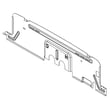
  • Panel Rear Control for GE GTW330ASK3WW - Part WH10X28194

    Controls & backsplash diagram

    Rear Control

    Part #WH10X24397

    Replaced by #WH10X28194

    Info Icon
    Manufacturer substitution
    This part replaces WH10X24397. Substitute parts can look different from the original.
    In Stock
    $24.52
    20% OFF Phone Price : $30.52Info Icon
    Minus Item
    Qty
    Plus Item
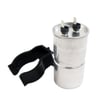
  • Washer Start Capacitor for GE GTW330ASK3WW - Part WH12X27614

    Controls & backsplash diagram

    Capacitor

    Part #WH12X24103

    Replaced by #WH12X27614

    Info Icon
    Manufacturer substitution
    This part replaces WH12X24103. Substitute parts can look different from the original.
    In Stock
    $97.14
    18% OFF Was : $119.11Info Icon
    Minus Item
    Qty
    Plus Item
  • Lid Lock for GE GTW330ASK3WW - Part WH08X37938

    Top panel & lid diagram

    Washer Lid Lock

    Part #WH01X24114

    Replaced by #WH08X37938

    Info Icon
    Manufacturer substitution
    This part replaces WH01X24114. Substitute parts can look different from the original.
    In Stock
    $80.89
    7% OFF Phone Price : $86.89Info Icon
    Minus Item
    Qty
    Plus Item
  • Washer Start Capacitor for GE GTW330ASK3WW - Part WH12X27614

    Controls & backsplash diagram

    Capacitor Br

    Part #WH16X24102

    Replaced by #WH12X27614

    Info Icon
    Manufacturer substitution
    This part replaces WH16X24102. Substitute parts can look different from the original.
    In Stock
    $97.14
    18% OFF Was : $119.11Info Icon
    Minus Item
    Qty
    Plus Item

GE Washer GTW330ASK3WW FAQs

The GE GTW330ASK3WW washer has a 3.8 cu. ft. capacity, which is the tub volume available for washing typical household loads. For cycle and loading guidance specific to this model, use the GTW330ASK3WW owner's manual.

What “3.8 cu. ft.” means for real-world loads

Capacity is the washer’s internal basket volume, not the amount of water used. Your actual usable load size depends on fabric type, soil level, and cycle selection.

  • Best results come from loading items loosely around the agitator
  • Avoid packing clothes down; it can reduce cleaning and increase vibration
  • Bulky items often need more space to move, even if they “fit”
  • High-efficiency (HE) washers may use a lower visible water level; that is normal
Quick load guidance (practical)

Use this as a simple starting point for a 3.8 cu. ft. top-load washer like the GTW330ASK3WW:

Load type Typical examples Practical tip
Small A few shirts, light items Spread evenly around basket
Medium Mixed daily laundry Do not mound above the basket holes
Large Towels or mixed heavy items Balance weight evenly to reduce out-of-balance spin
Why it matters

Knowing the GTW330ASK3WW capacity helps you choose the right washer settings (load size, cycle, options like Deep Fill) and prevents common issues like poor cleaning, excess suds, and out-of-balance spinning.

Last updated: January 2026

For GE washers like model GTW330ASK3WW, the most common service issues we see are drain and spin problems: the washer won’t drain fully, won’t spin out water, or leaves clothes too wet. These symptoms often trace back to the drain system, lid lock, or drive components (belt and shifter). See the GTW330ASK3WW owner’s manual for model-specific troubleshooting tips and normal operation notes.

Most common symptoms (and what they usually point to)
  • Washer won’t drain or drains slowly: drain pump or drain hose restriction
  • Won’t spin or stops before spin: lid lock not sensing closed/locked, out-of-balance condition, or drive issue
  • Clothes too wet at end: load out of balance, spin interruption, or weak drain performance
  • Grinding/clicking during cycle changes: shifter or drive system engagement issues
  • Fill light or low/no fill: water supply issue or inlet valve screen restriction
Quick checks you can do first (GTW330ASK3WW)
  1. Redistribute the load and run Drain & Spin (this model can reduce spin speed if it can’t balance the load).
  2. Confirm the lid is fully closed; this washer uses lid locking during sensing and spin.
  3. Check the drain hose setup: avoid kinks; keep the standpipe height within typical limits and don’t push the hose too far down the pipe.
  4. If you have low water flow, clean inlet hose screens (turn water off first).
Parts that commonly solve drain/spin complaints on this model

If the basic checks don’t help, these model-matched parts are common fixes:

Symptom Common part to inspect/replace Why it matters
Won’t drain / humming during drain Washer drain pump assembly WH23X28418 A weak or jammed pump can’t move water out fast enough for spin.
Won’t spin / lid won’t lock Washer lid lock WH08X37938 If the control can’t confirm lid lock, it may prevent or interrupt spin.
Slow/no spin, burning rubber smell Washer drive belt WH01X27538 A worn belt can slip so the basket never reaches full spin speed.
Clicking, shifting issues Washer shifter WH03X30517 The shifter helps switch between agitation and spin functions.
Why it matters

Drain and spin problems are the most disruptive because they can look like a “dead washer,” but they’re often caused by a single wearable part (pump, belt, lid lock) or a correctable setup issue (drain hose or load balance).

Last updated: January 2026

A GE washing machine like model GTW330ASK3WW typically lasts 10 to 14 years with normal household use. Consistent care (correct loading, proper detergent, and routine cleaning) is what most often determines whether you land closer to 10 years or closer to 14.

What affects lifespan the most

We see these factors make the biggest difference on GE top-load washers:

  • Overloading the wash basket (extra strain on the drive system and suspension)
  • Too much detergent (oversudsing can lead to poor rinsing and extra wear)
  • Unbalanced loads during spin (increases vibration and stress on suspension components)
  • Hard water buildup (can affect valves, hoses, and overall performance)
  • Skipping basic cleaning (odor, residue, and dispenser buildup)

For model-specific operating and care guidance, follow the maintenance and loading sections in the GTW330ASK3WW owner’s manual.

Simple maintenance that helps you reach the high end of the range

These are practical habits that help extend washer life:

  • Use HE detergent and measure carefully
  • Load items loosely and distribute around the basket
  • Leave the lid open after cycles so moisture can evaporate
  • Clean the washer interior and dispensers periodically
  • Replace water supply hoses on a regular schedule (many manufacturers recommend every 5 years)
Quick expectations by usage level
Household usage What “normal” looks like Typical outcome
Light 1 to 3 loads/week Often closer to 14 years
Average 4 to 7 loads/week Commonly 10 to 14 years
Heavy Multiple loads/day Often closer to 10 years
Why it matters

Knowing the expected lifespan helps you decide whether to invest in repairs (like a belt, pump, or lid lock) versus planning for replacement. If your GTW330ASK3WW is within the typical lifespan window, many common failures are repairable with the right diagnosis.

Last updated: January 2026
Most common symptoms to help you fix your washers

Choose a symptom to see related washer repairs.

Main causes: clogged drain hose, house drain clogged, bad drain pump, water-level pressure switch failure, bad control b…

Main causes: broken lid switch or lid lock, bad pressure switch, broken shifter assembly, faulty control system…

Main causes: worn agitator dogs, bad clutch, broken motor coupler, shifter assembly failure, broken door lock, suspensio…

Main causes: water heater failure, bad water temperature switch, faulty control board, bad water valve, faulty water tem…

Main causes: lack of electrical power, wiring failure, bad power cord, electronic control board failure, bad user interf…

Main causes: no water supply, bad water valves, water-level pressure switch failure, control system failure, bad door lo…

Main causes: unbalanced load, loose spanner nut, worn drive block, broken shock absorber or suspension spring, debris in…

Main causes: leaky water inlet valve, faulty water-level pressure switch, bad electronic control board…

Main causes: bad lid switch or door lock, bad timer or electronic control board, wiring failure, bad water inlet valve a…

Repair guides for electric wall ovens

How to replace a wall oven broil element

How to replace a wall oven broil element

Follow these step-by-step instructions to replace the broiler element in an electric oven.…

Repair time and Difficulty

 15 minutes or less
How to replace a temperature sensor on an electric wall oven

How to replace a temperature sensor on an electric wall oven

These step-by-step instructions guide you through replacing a temperature sensing probe on an electric wall oven.…

Repair time and Difficulty

 15 minutes or less
How to replace a wall oven hidden bake element

How to replace a wall oven hidden bake element

These step-by-step instructions guide you through replacing the hidden bake element.…

Repair time and Difficulty

 30 minutes or less

Effective articles & videos to help repair your washers

Use the advice and tips in these articles and videos to get the most out of your washer.

How auto-load sensing washers work (and when they don't)

How auto-load sensing washers work (and when they don't)

Your washer barely fills or seems stuck in sensing mode? Find out how auto-load sensing and Precise Fill features work, …

How to remove the main control board and user interface from a Maytag Epic Z front-load washer

How to remove the main control board and user interface from a Maytag Epic Z front-load washer

Get step-by-step instructions for removing the main electronic control board and the control panel from a Maytage Epic Z…

Using a wiring schematic to trace a current video

Using a wiring schematic to trace a current video

Find out what’s wrong with your appliance by following a circuit.…

Parts & More

Band Saw
Dishwasher
Dryer
Electric Range
Front-Engine Lawn Tractor
Garage Door Opener
Gas Walk-Behind Mower
Home Improvement
Parts
Rear-Engine Riding Mower
Refrigerator
Side-By-Side Refrigerator
Washer