Owner’s manual
 Error Codes



What is the life expectancy of a Samsung front load washing machine?
A Samsung front-load washer like model WF45K6500AW typically lasts 10 to 15 years. To reach the high end of that range, we focus on routine cleaning, correct loading, and fixing early symptoms (vibration, draining issues, or fill errors) before they strain major components.
What affects lifespan the most
- Load size and balance: Overloading and repeated out-of-balance spins shorten tub, bearing, and suspension life.
- Moisture control: Leaving the door closed traps humidity and speeds up odor, mildew, and boot wear.
- Detergent habits: Too much HE detergent causes oversudsing, residue, and longer rinse times.
- Drain health: Coins, lint, and debris that restrict draining overwork the pump.
- Water quality: Hard water can increase scale and reduce valve performance over time.
Maintenance checklist (best return for the effort)
- Run the washer’s tub-clean cycle on schedule; follow the steps in the WF45K6500AW owner’s manual.
- Wipe the door glass and gasket area after the last load of the day.
- Leave the door slightly open between loads to dry the drum.
- Use HE detergent and measure carefully (less is usually better).
- Level the washer and keep loads balanced to reduce vibration.
Quick symptom-to-part map (when wear starts showing)
| Symptom | What it often points to | Example part for this model |
|---|---|---|
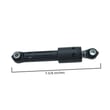
| Banging, walking, heavy vibration | Worn suspension | Samsung washer shock absorber DC66-00470A |
| Won’t drain, stops mid-cycle, water left in tub | Drain restriction or weak pump | Washer drain pump motor (listed for this model) |
| Won’t fill or fills slowly | Inlet screens/valve issue | Washer water inlet valve (listed for this model) |
Why it matters
Front-load washers are efficient, but they rely on tight seals, high-speed spin, and good drainage. Small issues like oversudsing or chronic vibration add stress to the drive system, tub, and electronics, which is why consistent care is the biggest driver of a 10 to 15 year lifespan.
Last updated: February 2026
What is the most common problem with the Samsung washing machine?
For the Samsung WF45K6500AW front-load washer, the most common problems we see are draining failures, out-of-balance spinning (shaking or stopping), and related error codes. These issues usually trace back to a clogged drain path, an unbalanced load, or worn vibration control parts.
Most common issues (and what they look like)
- Won’t drain or drains slowly: water left in the tub, cycle stops before spin
- Shakes or bangs during spin: “walking” washer, loud thumping, stops to rebalance
- Won’t spin or spins poorly: clothes still wet, repeated rebalancing attempts
- Fill problems: long fill times or no fill at all
- Door won’t lock: cycle won’t start or pauses early
Quick checks that fix many calls
- Reduce and rebalance the load (bulky items and single heavy items cause most spin complaints).
- Confirm the washer is level and all feet are firmly on the floor.
- Clean the drain pump filter and check the drain hose for kinks or clogs (common cause of “no drain”).
- Run a cleaning cycle and use the right detergent amount (oversudsing can mimic drain and spin issues).
- Power reset: unplug for 2 minutes, then retry a Drain/Spin.
When a part is the likely cause
If the basic checks don’t change anything, these parts commonly solve the underlying problem:
| Symptom | Common suspect part | Example part for this model |
|---|---|---|
| Won’t drain / humming during drain | Drain pump motor | Washer drain pump motor DC31-00178D |
| Shaking, banging, tub feels “loose” | Shock absorber(s) | Samsung washer shock absorber DC66-00470A |
| Won’t fill or fills very slowly | Water inlet valve | Washer water inlet valve DC62-30314K |
| Door won’t lock / won’t start | Door lock switch | Washer door lock switch DC64-00519D |
Error codes: fastest way to narrow it down
Samsung error codes point you to the system that’s failing (drain, fill, balance, etc.). Use the troubleshooting steps and code definitions in the WF45K6500AW owner’s manual. For model-specific code help, we also recommend Samsung wi-fi front load washer error codes.
Why it matters
Drain and balance problems can stop the cycle, leave clothes soaking wet, and increase vibration. Catching a clog early or replacing a worn shock absorber helps protect the tub, motor, and control system from repeat stress.
Last updated: February 2026
Is the Samsung 4.5 front load washer any good?
Yes. Samsung 4.5 cu. ft. front-load washers like model WF45K6500AW are a strong choice when you want large capacity, good cleaning performance, and quieter operation than many top-load designs; the main tradeoffs are that they are more sensitive to leveling and can develop vibration or odor issues if not maintained (see the WF45K6500AW owner's manual).
What “good” usually means for this washer
- Capacity: 4.5 cu. ft. handles bulky loads (bedding, towels) better than smaller front-loaders.
- Cleaning performance: front-load tumbling action typically cleans well with less water.
- Efficiency: high-efficiency design generally uses less water and energy than older washers.
- Noise and vibration: usually quiet, but only when the washer is properly leveled and loads are balanced.
- Features: many Samsung front-load models emphasize convenience cycles and options.
Common complaints and what to check first
If you are deciding whether it is “any good” for your home, these are the issues we see most often and the first checks that solve them:
- Vibration or walking during spin: re-level the feet, confirm solid flooring, avoid overloading.
- Wet clothes after spin: reduce load size, redistribute heavy items, verify correct cycle/spin selection.
- Musty odor: leave the door ajar between loads, wipe the door boot, run regular tub-clean cycles.
- Not draining well: clean the pump filter and check the drain hose for kinks.
- Door seal leaks: inspect the door boot for tears or debris; replace if damaged.
Quick decision guide
| If you want... | WF45K6500AW is a good fit when... | Consider a different washer when... |
|---|---|---|
| Big capacity and efficiency | You wash frequent large loads and want lower water use | You prefer shorter cycles with less maintenance |
| Low noise | You can level it carefully and balance loads | Your laundry area has flexible/uneven flooring |
| Reliable day-to-day results | You follow routine cleaning and don’t overload | You want a simpler, fewer-features machine |
Why it matters
Front-load washers deliver excellent cleaning and efficiency, but they reward good setup and maintenance. Keeping the tub and door area clean and preventing out-of-balance loads is what makes the experience consistently “good” over the long term.
Last updated: February 2026