Owner’s manual
 Error Codes


How to identify a Kenmore washer model?
Your Kenmore washer model number is printed on the model and serial number plate; on Kenmore model 11029852992, that plate is on the washer cabinet (commonly under the lid on top-loaders). Once you have the full model number, we can match the correct washer parts and diagrams.
Where to look on the washer
Check these common locations first:
- Under the lid, around the tub opening on the cabinet rim
- On the back panel near the power cord exit
- Along the rear edge of the control console
- Inside the lid area on a metal plate (not a removable sticker)
For the exact plate location and how it is referenced in documentation, use the 11029852992 owner's manual.
What the model number looks like (and what to write down)
We recommend recording the model number exactly as shown, including all digits.
| Item | What to capture | Why it matters |
|---|---|---|
| Model number | Full number (example format: 110.XXXXXXXX) | Ensures parts fit your exact Kenmore washer |
| Serial number | Full serial | Helps confirm production series for some parts |
| Purchase date | Month/year | Useful for service history and maintenance planning |
Tips to avoid common mix-ups
- Copy the number directly from the plate, not from the control panel styling or lid decals
- Include every digit; missing one number can point to a different Kenmore washer design
- If the plate is hard to read, take a clear photo and zoom in
- Use the model number (not the part number) when searching for items like a lid switch, drain pump, or timer
Why it matters
Kenmore washers often share similar cabinets and controls across multiple series, but internal components (like the drive system, clutch, or lid switch) can differ. Using the exact model number keeps you from ordering the wrong replacement part and saves time on troubleshooting.
Last updated: February 2026
What size washer is Kenmore model 11029852992?
Kenmore washer model 11029852992 is a full-size, top-load washer with an agitator; most Kenmore 110 direct-drive top-loaders of this style measure about 27 inches wide, 27 to 28 inches deep, and 42 to 43 inches tall. For the exact cabinet dimensions for your unit, use the 11029852992 owner's manual.
Typical size you can plan around
These are the most common planning dimensions for this Kenmore 110-style top-load washer:
- Width: ~27 in.
- Depth: ~27 to 28 in. (not including hoses)
- Height: ~42 to 43 in. (to top of console)
- Type: top-load, agitator (the manual describes a Triple Action agitator)
- Clearance to allow: at least a few inches behind for hoses and drain standpipe
Quick fit check (measuring tips)
Measure your washer and space the same way installers do:
- Measure widest point left-to-right (usually the cabinet top).
- Measure front-to-back including any protruding fittings if the washer sits tight to the wall.
- Measure floor to highest point (often the console back).
- Confirm the washer is level; an unlevel cabinet can change how it “fits” and can increase vibration.
- Leave room to access the water shutoff valves and the drain hose.
Size reference table
| What you’re measuring | What to include | Typical value |
|---|---|---|
| Width | Cabinet | ~27 in. |
| Depth | Cabinet only | ~27 to 28 in. |
| Height | Floor to top of console | ~42 to 43 in. |
| Depth (installed) | Cabinet + hoses | Add a few inches |
Why it matters
Washer “size” affects more than whether it fits. Correct clearances help prevent kinked hoses, reduce vibration, and make it easier to service common items like the washer drain pump WP3363394 if a drain issue ever comes up.
Last updated: February 2026
What is the average lifespan of a Kenmore washer?
A Kenmore washer typically lasts 10 to 15 years. For the Kenmore 11029852992 top-load washer, consistent care (proper loading, correct detergent use, and basic upkeep from the 11029852992 owner's manual) helps you reach the upper end of that range.
What affects washer lifespan most
- Overloading (stresses the drive system, clutch, and suspension)
- Unbalanced loads (increases vibration and wear)
- Water quality (sediment can shorten inlet valve life)
- Drain restrictions (forces the drain pump to work harder)
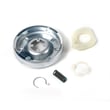
- Normal wear items (agitator components and couplers wear over time)
Common wear points on this style of Kenmore top-load washer
These are some of the most frequent “life-limiting” parts we see on direct-drive top-load designs:
| Symptom | Often involved part | What you notice first |
|---|---|---|
| Won’t spin or intermittent spin | Lid switch | Stops spinning when lid is moved or won’t spin at all |
| Agitates poorly or “slips” | Agitator dogs | Top of agitator stops grabbing clothes |
| Won’t drain or drains slowly | Drain pump | Water left in tub, humming, or slow emptying |
| No agitation/spin but motor runs | Motor coupling | Grinding/rattling, sudden loss of drive |
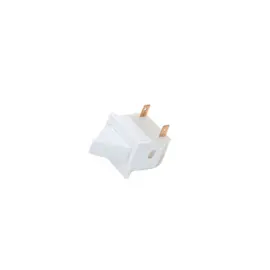
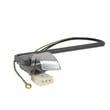
If your washer stops spinning reliably, the washer lid switch WP3949238 is a common fix on many Kenmore 110-series models.
Maintenance habits that extend life
- Keep loads evenly distributed; mix items to reduce off-balance spinning
- Use the right water level for the load size
- Avoid repeated heavy, dense loads (comforters, rugs) back-to-back
- Check fill and drain performance; address slow draining early
- Follow the operating and care guidance in the 11029852992 owner's manual
Why it matters
A washer that is kept balanced and draining correctly runs cooler, vibrates less, and puts less strain on the gear case, clutch, and motor. That directly improves reliability and helps you get the full 10 to 15 years.
Last updated: February 2026
Is it worth repairing a Kenmore washing machine?
For a Kenmore washer like model 11029852992, repairing is worth it when the fix restores normal washing and spinning for significantly less than replacing the machine. Common, high-value repairs include the lid switch, drain pump, and motor coupling, especially when the tub and cabinet are in good shape.
Quick decision checklist
- The washer fills, agitates, drains, and spins after the repair (core functions restored).
- The problem is isolated to a wearable part (switch, pump, coupling, clutch, agitator parts).
- There is no persistent water leak from the tub area after inspection.
- The washer is level and stable (reduces repeat failures and vibration).
- You can confirm safe operation steps in the 11029852992 owner's manual.
Typical repairs that are usually worth doing
These are common failure points on many Kenmore top-load washers and often deliver a long-lasting fix:
| Symptom | Likely part to check | What you may notice |
|---|---|---|
| Won’t spin or stops when lid opens | Washer lid switch WP3949238 | No spin with lid closed, intermittent operation |
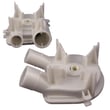
| Won’t drain or drains slowly | Washer drain pump WP3363394 | Water left in tub, humming, slow drain |
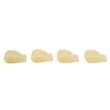
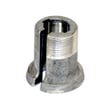
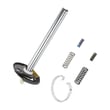
| Agitates poorly or “ratcheting” in agitator | Agitator dog 80040 | Top of agitator slips, weak turnover |
| No agitation/spin but motor runs | Coupling 285753A | Motor sound, but basket does not move |
Why it matters
A targeted repair on model 11029852992 can restore performance and extend service life without the cost and hassle of replacing the washer. Proper installation basics also matter; the manual notes that loose front-leg locknuts can contribute to vibration, which can accelerate wear on drive and suspension components.
When replacement makes more sense
- Multiple major systems are failing at once (drain, spin, and agitation issues together).
- You see repeated leaks or heavy corrosion around the tub and base.
- The repair requires several high-cost assemblies at the same time (for example, gear case plus motor plus basket).
Last updated: February 2026