Owner’s manual
 Error Codes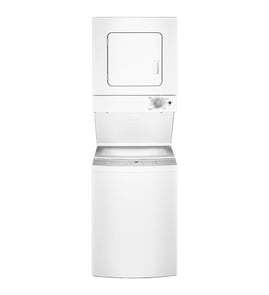



How to wash clothes using an LG washing machine?
To wash clothes in your LG WM3997HWA stacked laundry center, load the drum loosely (do not pack it tight), add HE detergent to the dispenser, select the best cycle for the fabric, then press Start/Pause. For cycle and option details, use the WM3997HWA owner’s manual.
Quick start steps (WM3997HWA)
- Sort laundry by color, fabric type, and soil level.
- Check pockets, close zippers, and pretreat heavy stains.
- Load items so they can tumble freely; the door should close easily.
- Add HE (high-efficiency) detergent to the correct dispenser compartment.
- Turn the cycle selector to choose a cycle (Cotton/Normal, Towels, Delicates, Speed Wash, etc.).
- Adjust options if needed (Wash Temp, Spin Speed, Soil Level, Extra Rinse, Delay Wash).
- Press Start/Pause to begin.
Choosing the right cycle
Use this simple guide to match common loads to cycles available on WM3997HWA.
| Load type | Recommended cycle | Helpful option |
|---|---|---|
| Everyday mixed items | Cotton/Normal | Turbo Wash (if available for the load) |
| Towels | Towels | Extra Rinse |
| Bulky items (blankets/comforters) | Bulky/Large | Lower spin if vibration occurs |
| Sheer or delicate fabrics | Delicates | Cold/Tap Cold water |
| Small, lightly soiled load | Speed Wash | Higher spin for faster dry time |
Detergent and dispenser tips
- Use HE detergent only; regular detergent can cause oversudsing and poor rinsing.
- Use the correct compartment (main wash, pre-wash, bleach, fabric softener).
- Close the dispenser drawer slowly to prevent products from spilling into the wrong section.
Why it matters
Correct loading, cycle selection, and HE detergent use help the WM3997HWA clean better with less water, reduce vibration from unbalanced loads, and prevent residue buildup that can lead to odors or draining issues.
Last updated: January 2026
What is the capacity of the wm3997hwa?
The LG WM3997HWA washer tub capacity is 4.3 cu. ft., which is considered an ultra large capacity for a washer/dryer combo. For cycle and loading guidance specific to this model, use the WM3997HWA owner's manual.
What “4.3 cu. ft.” means for everyday loads
Capacity is the volume of the wash drum, not a weight limit. In practical terms, 4.3 cu. ft. typically supports:
- Medium to large mixed loads (everyday clothing)
- Bulkier items (like towels) when loaded loosely
- Better efficiency by reducing the number of loads you run
Loading tips that help performance
Overloading is one of the most common causes of poor cleaning, vibration, and long dry times on combo units.
- Load items loosely; do not pack the drum tight
- Mix large and small items to reduce imbalance
- Keep bulky items to about half the drum so they can tumble
- Close the door easily; if it takes force, the load is too full
- Use HE (high-efficiency) detergent to control suds
Quick reference: capacity vs. what to watch for
| Item | What it tells you | What it does not tell you |
|---|---|---|
| 4.3 cu. ft. capacity | Drum volume (space inside the tub) | Exact pounds per load |
| Load size | How full the drum is | Whether the load is balanced |
| Cycle choice | Wash action, time, temps, spin | Maximum safe fill level |
Why it matters
Using the correct load size for the 4.3 cu. ft. drum helps the LG WM3997HWA clean and rinse better, spin with less vibration, and dry more evenly (combo units are especially sensitive to overfilling).
Last updated: January 2026
Is there a lint trap in LG washer dryer combo?
LG WM3997HWA does not use a traditional, removable dryer-style lint screen. On this model, lint is managed mainly by rinsing action and filtration; routine cleaning focuses on the door seal area and the drain pump filter (coin trap) described in the WM3997HWA owner's manual.
Where lint collects on WM3997HWA
You will usually find lint in these spots:
- The door seal (door boot) folds and lip area
- The drain pump filter area behind the drain pump filter cover
- The pump filter housing where coins, hair, and debris collect
- Light residue on the drum or door glass after drying cycles
How to clean the drain pump filter (model-typical steps)
Follow the safety and access steps shown in the maintenance section of the WM3997HWA owner's manual. In general, plan for some water to come out.
- Unplug the unit
- Place towels and a shallow pan under the drain pump filter cover
- Open the drain pump filter cover
- Drain water using the small service drain hose in that compartment (if equipped)
- Unscrew the filter cap, remove lint and debris, rinse, then reinstall snugly
If you see leaking hoses while cleaning
WM3997HWA uses more than one hose in the drain system, and the exact part match depends on which hose is leaking.
- If the main drain line to the home plumbing is leaking, the compatible replacement is the washer drain hose 5215ER2002G.
- If the leak is from the small hose used to drain the pump filter compartment, the manual does not identify a specific part number for that service hose; match it by location and shape when selecting a replacement.
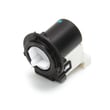
- If the washer will not drain or drains slowly even after cleaning, the drain pump itself may be involved.
| What you notice | Most likely area | What to do first |
|---|---|---|
| Lint on rubber folds | Door seal | Wipe and dry folds regularly |
| Coins/hair and slow drain | Drain pump filter | Clean filter and confirm cap is tight |
| Water leaking at standpipe | Main drain hose | Inspect and replace if cracked |
Why it matters
Keeping the door seal and drain pump filter clean helps WM3997HWA drain correctly, reduces odors, and can prevent slow-drain symptoms that lead to longer cycle times.
Last updated: January 2026