Owner’s manual



What is the capacity of Samsung wf330anw XAA?
The Samsung WF330ANW washer has a 3.7 cu. ft. capacity. That capacity is the tub volume used to estimate how much laundry you can wash per load; it helps you choose cycle size, detergent amount, and avoid overloading.
How that capacity translates to real loads
A 3.7 cu. ft. Samsung front-load washer like the WF330ANW typically handles these load types well:
- Everyday mixed load: several shirts, underwear, and a few towels
- Towels: a medium towel load (avoid packing the drum tight)
- Bedding: usually one queen comforter (depending on fill and weight)
- Jeans/heavy items: fewer pieces; heavy loads overload faster than light fabrics
For cycle and loading guidance specific to your washer, we recommend checking the WF330ANW manual.
Loading tips (to protect parts and improve cleaning)
Overloading is one of the most common causes of poor cleaning, vibration, and drain issues. We recommend:
- Load items loosely; leave space at the top of the drum
- Mix large and small items to balance the spin
- Use HE detergent and measure carefully (too much can cause excess suds)
- Choose the right cycle for fabric type and soil level
- If the washer shakes or walks, reduce the load size and re-level the feet
Quick reference table
| Item type | Typical guidance for 3.7 cu. ft. front load | What to watch for |
|---|---|---|
| Towels | Medium load | Drum packed tight, poor spin |
| Bedding | 1 comforter (often) | Off-balance, thumping |
| Heavy denim | Smaller load | Slow drain, vibration |
| Delicates | Light to medium | Over-sudsing if overdosed |
Why it matters
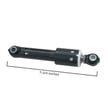
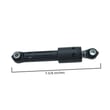
Capacity affects performance and wear. Keeping loads matched to the WF330ANW’s 3.7 cu. ft. size helps the drive system, shock absorbers, and drain pump work efficiently, and it reduces the chance of out-of-balance spin problems.
Last updated: January 2026
What is the lifespan of a Samsung front load washer?
A Samsung front-load washer like model WF330ANW typically lasts 10 to 15 years in normal household use. Reaching the high end depends most on routine cleaning, correct detergent use (HE), avoiding overloads, and fixing small leaks or drain issues early (see the WF330ANW manual).
What affects lifespan the most
- Load size and balance: frequent overloading or unbalanced spins accelerates wear on bearings, shocks, and the tub.
- Moisture control: leaving the door closed traps humidity and promotes odor and boot deterioration.
- Drain health: coins, lint, and debris strain the drain pump and can trigger drain errors.
- Water quality: hard water can increase scale buildup in the tub and inlet components.
- Detergent habits: too much detergent causes excess suds, residue, and longer rinse demands.
Maintenance that helps you hit 10 to 15 years
- Run a monthly tub-clean cycle (or the hottest cycle recommended in the WF330ANW manual).
- Wipe the door glass and door boot after laundry day.
- Leave the door and dispenser slightly open between loads.
- Use HE detergent and measure carefully.
- Check pockets and use garment bags for small items.
“Repair or replace?” quick guide
| If your WF330ANW has this issue | Usually worth trying first | Often points to end-of-life wear |
|---|---|---|
| Won’t drain / stops with a drain error | Clean filter, check drain hose, inspect pump | Repeated pump failures or tub/bearing noise |
| Leaks at the door | Clean boot, check for tears, level the washer | Persistent leaks plus rust or tub damage |
| Loud roaring in spin | Leveling and load balance checks | Worn tub bearings (major repair) |
Why it matters
Knowing the expected lifespan helps you plan maintenance and decide when a repair (like a drain pump, door boot, or control issue) makes sense versus investing in a replacement.
If you’re seeing drain-related symptoms, our Samsung front load washer nd error code guide is a good starting point.
Last updated: January 2026
What is the most common problem with Samsung front load washers?
The most common issues we see on Samsung front-load washers like model WF330ANW are drain and spin problems caused by restricted draining (debris in the pump filter or drain hose) and excessive vibration from load balance or leveling. Your WF330ANW use & care manual is the best place to confirm the exact cleaning and maintenance steps for this model.
Most common problems (and what they usually point to)
- Washer will not drain or drains slowly: clogged drain pump filter, kinked drain hose, restricted standpipe
- Won’t spin or stops before high-speed spin: out-of-balance load, drain issue, door lock not sensing locked
- Excessive shaking or walking: washer not level, load too small or bulky, worn suspension components
- Leaks: loose fill hoses, worn door boot, detergent drawer overflow, drain hose connection seepage
- Odor or mildew: door left closed, residue buildup, infrequent tub cleaning
Quick checks we recommend first (fast, low-cost)
- Run a drain/spin cycle with the drum empty; listen for the drain pump running.
- Clean the drain pump filter and check the drain hose for kinks.
- Re-level the washer (all feet firmly on the floor) and reduce oversudsing (use HE detergent).
- Redistribute bulky items (blankets, towels) and avoid washing a single heavy item alone.
- If an error code appears, match it to the symptom before replacing parts.
Error codes: what to do next
Samsung front-load washers often display codes when the control detects a drain, fill, or balance problem. We use these resources to narrow it down quickly:
| Symptom | What it often triggers | Best next step |
|---|---|---|
| Won’t drain / long drain | “ND” style drain errors | Follow Samsung front load washer nd error code steps |
| Out of balance / vibration | “DC” style balance errors | Follow Samsung front load washer dc error code steps |
| No fill / slow fill | “NF” style fill errors | Follow Samsung front load washer nf error code steps |
Why it matters
Drain restrictions and chronic vibration are the two problems most likely to cause repeat cycle failures (stopping mid-cycle, no-spin) and secondary damage (leaks, noisy operation). Catching them early usually prevents bigger repairs.
Last updated: January 2026