Owner’s manual

How thick of wood can a 10 table saw cut?
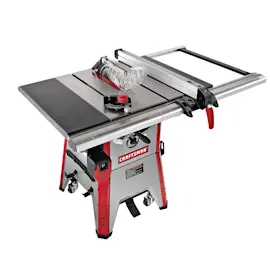
On a 10-inch table saw like the Ryobi BTS10, the maximum thickness you can cut is controlled by the blade’s maximum height above the table (depth of cut). Most 10-inch table saws cut about 3 to 3-1/2 inches at 90° and about 2 to 2-1/4 inches at 45°; confirm your exact setting and safe setup in the owner's manual.
What determines the maximum cut thickness?
Several setup and design factors affect how thick a board you can cut in one pass:
- Blade height setting (your BTS10 has a blade height control handle for depth of cut)
- Bevel angle (tilting the blade reduces depth of cut)
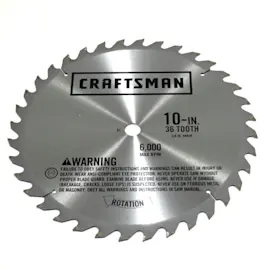
- Blade diameter and tooth design (10-inch combination blades are common)
- Workpiece flatness and support (bowed stock reduces effective cut depth)
- Feed rate and motor load (forcing the cut can trip the overload reset)
Typical depth-of-cut ranges (what most users see)
These are common ranges for 10-inch table saws when properly set up:
| Cut type | Typical max thickness | Notes |
|---|---|---|
| 90° rip or crosscut | 3 to 3-1/2 in. | Often enough for many 4x4 cuts with a flip, depending on actual lumber size |
| 45° bevel cut | 2 to 2-1/4 in. | Shallower because the blade is angled |
How to set up the BTS10 for the deepest safe cut
Use these steps to maximize cut capacity while keeping the cut controlled:
- Set blade height so the top of the teeth clear the wood (not excessively high)
- Keep the workpiece flat on the table and tight to the rip fence or miter gauge
- Use outfeed support for long stock (the manual recommends support for long rips)
- Let the blade reach full speed before feeding the wood
- Use a push stick/push blocks for narrow rips; keep hands clear of the blade path
Why it matters
Trying to cut stock that is too thick (or feeding too fast) increases binding and kickback risk, can slow the blade, and may trip the saw’s overload protection. Setting the blade height correctly and supporting the workpiece helps you get straighter, safer cuts.
For blade setup and safe cutting procedures specific to the BTS10 (rip cuts, support, and guarding), use the owner's manual. If you need replacement parts or want to search by model number, start with the parts list for BTS10 or visit Sears PartsDirect.
Last updated: February 2026
What is the best 10-inch table saw?
For a 10-inch table saw, the “best” choice depends on how you’ll use it: jobsite portability, fence accuracy, dust control, and safety features matter more than the blade diameter. Your Ryobi BTS10 is a 10-inch (254 mm) saw; we recommend comparing features and safety systems using the owner's manual as your baseline.
How we recommend choosing the best 10-inch table saw
Focus on the features that directly affect cut quality and day-to-day usability:
- Fence design and repeatability (stays parallel to the blade and locks solid)
- Blade guard and riving knife system (helps reduce binding and kickback)
- Power under load (maintains blade speed in thicker stock)
- Bevel and height adjustments (smooth controls that hold settings)
- Stand and stability (especially for jobsite saws)
- Overload protection (helps prevent overheating during heavy cuts)
Quick comparison checklist (what to look for)
Use this as a simple scorecard when comparing 10-inch saws side by side.
| What you’re comparing | What “best” looks like | Why it matters |
|---|---|---|
| Rip fence | Locks square, minimal deflection | Straighter rips, fewer burn marks |
| Riving knife/guard | Easy to install and align | Reduces kickback risk |
| Bevel accuracy | Clear indicator, solid lock | Cleaner miters and bevel rips |
| Height control | Smooth, no binding | Consistent depth of cut |
| Overload reset | Accessible and reliable | Less downtime during heavy use |
BTS10-SPECIFIC notes that matter when comparing
Your Ryobi BTS10 operator’s manual calls out several features that are worth using as comparison points when shopping:
- Maximum blade capacity is 10 inches (254 mm)
- Riving knife and blade guard with anti-kickback pawls
- Adjustable rip fence with scale indicator
- Bevel indicator with locking lever
- Overload reset button
If you’re evaluating “best for the money,” prioritize a saw that makes these adjustments easy and repeatable, because that is what keeps cuts accurate over time.
Why it matters
A 10-inch blade size is common, but the saw’s alignment, guarding, and adjustment mechanisms determine whether you get clean, accurate cuts and safer operation. Kickback protection and a dependable rip fence are usually the biggest real-world difference.
For replacement parts and diagrams for your Ryobi BTS10, start with the model parts list, or search by model number on Sears PartsDirect.
Last updated: February 2026
What's the best jobsite table saw?
The best jobsite table saw is the one that delivers accurate cuts, stays stable on-site, and includes safety features you will use every cut. If you already own the Ryobi BTS10, use the BTS10 owner's manual to confirm its built-in features and set it up for repeatable results.
What to compare when choosing a jobsite table saw
- Fence performance: locks square, stays rigid, and has an easy-to-read scale.
- Safety equipment: blade guard, riving knife, and anti-kickback pawls that are easy to keep aligned.
- Power under load: maintains blade speed in thicker stock without bogging down.
- Adjustment controls: smooth blade height and bevel controls with positive locking.
- Portability and stability: manageable weight plus a stand or bench setup that resists vibration.
How the Ryobi BTS10 matches common “jobsite saw” needs
The BTS10 is designed as a versatile, accurate wood-cutting tool and includes several features buyers look for in a portable saw.
| Buying factor | What “good” looks like | BTS10 example features |
|---|---|---|
| Straight ripping | Fence locks square | Adjustable rip fence with scale indicator |
| Angle work | Clear bevel reference, locks firmly | Bevel indicator with locking lever |
| Kickback reduction | Riving knife plus pawls | Riving knife, blade guard, anti-kickback pawls |
| Fewer interruptions | Resettable overload protection | Overload reset button |
Setup habits that matter most
- Bolt the saw securely to a bench or stand; the manual notes a comfortable bench height is about 39 inches (hip height).
- Always secure the work against the rip fence or miter gauge; never freehand cuts.
- Keep the blade guard down and the riving knife installed for through-cuts.
- If cuts wander or burn, start by checking blade condition and alignment.
Why it matters
A “best” jobsite saw is the one that stays accurate and safe when conditions change. A stable setup, a square fence, and proper guarding reduce rework and help prevent kickback.
For diagrams and replacement parts for your Ryobi BTS10, use the model parts list, or search by model number on Sears PartsDirect.
Last updated: February 2026