Owner’s manual
 View engine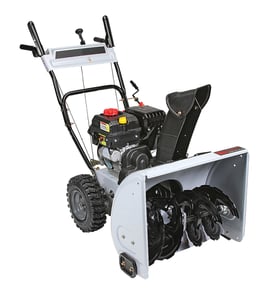




What is the best month to buy a snowblower?
The best time to buy a snowblower is typically late winter through early spring (often February to April), when retailers discount leftover inventory after peak snow season. For an MTD snow thrower like model 31A-32AD700, this timing can also help you plan off-season storage and maintenance using the 31A-32AD700 operator's manual.
Best buying windows (and why)
- Late winter to early spring: Clearance pricing on remaining stock after the heaviest demand.
- Late summer: Some sellers run pre-season promotions to move inventory early.
- Early fall: Selection is usually best, but prices are often higher than end-of-season.
- Right after major storms: Demand spikes; prices and availability usually get worse.
- When you need parts anyway: If you are already replacing wear items (belts, skid shoes, shave plate), it can be a good time to compare repair cost vs. replacement.
Quick comparison: price vs. selection
| Time of year | Typical price | Typical selection | Best for |
|---|---|---|---|
| Feb to Apr | Lowest | Limited | Best deals, end-of-season clearance |
| Aug to Sep | Medium | Medium | Early planning, occasional promos |
| Oct to Nov | Highest | Best | Getting the exact features you want |
How to shop smart for the 31A-32AD700
If you are buying to avoid downtime, we recommend checking these practical items before you purchase:
- Confirm it is a two-stage snow thrower and sized for your driveway.
- Look for easy access to common service points (spark plug, belts, shear pins).
- Budget for normal wear items and setup supplies (oil, fuel stabilizer, scraper bar or skid shoes).
- Plan storage: keep it in a clean, dry area; light oil or silicone coating helps reduce rust during off-season storage.
Why it matters
Buying after peak season usually saves the most money, but buying earlier usually gives you the best selection. Either way, keeping up with maintenance and proper storage helps your snowblower perform reliably year after year.
Helpful DIY: how to make your snowblower last longer
Last updated: January 2026
What is the best snow blower for the money?
The best snow blower for the money is the one that matches your snowfall depth, driveway size, and surface type (pavement vs. gravel) without paying for capacity you will not use. For an MTD snow thrower like model 31A-32AD700, value comes from correct setup, safe operation, and keeping wear parts maintained using the 31A-32AD700 operator's manual.
How to choose the best value snowblower
We recommend matching the machine to your conditions first, then comparing features.
- Snow depth and type: light, powdery snow needs less capacity than wet, heavy snow.
- Driveway size: larger areas benefit from self-propelled drive and multiple speeds.
- Surface: gravel needs higher skid shoe setting to avoid throwing stones.
- Storage and handling: consider overall size, turning effort, and chute controls.
- Maintenance comfort: easy access for oil changes, belts, and shear pins saves money long-term.
Two-stage vs. single-stage (value comparison)
| Type | Best for | Typical tradeoff |
|---|---|---|
| Single-stage | small paved areas, lighter snow | less effective in deep or heavy snow |
| Two-stage | deeper snow, larger areas, mixed conditions | more maintenance, higher upfront cost |
Your 31A-32AD700 is a two-stage style snow thrower, which is usually the better value when you regularly deal with deeper snow or plow berms.
Features that protect your budget over time
These items reduce downtime and expensive damage.
- Shear pins: they are designed to break if the auger hits an obstruction; keep spares on hand.
- Skid shoes: adjust for pavement vs. gravel; replace when worn to protect the auger housing.
- Chute clean-out tool: use it to clear clogs safely (never use hands).
- Correct tire pressure: keep both tires equal for best performance.
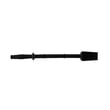
Helpful model-matched examples include the skid shoe 784-5580 and the craftsman snowblower shear pin 738-04124A.
Why it matters
“Best for the money” is really “lowest total cost per season.” Correct skid shoe adjustment, safe chute clearing, and routine maintenance help your MTD snowblower throw snow consistently and avoid preventable repairs.
Last updated: January 2026
Is a 2 stage or 3 stage snowblower better?
A 2-stage snowblower is the best all-around choice for most driveways because it handles typical snowfalls efficiently and throws snow well. A 3-stage snowblower is better when you regularly face heavy, wet, packed, or end-of-driveway plow snow that needs extra intake and processing power.
How the stages differ
A 2-stage design uses an auger to pull snow in and an impeller to throw it. A 3-stage design adds an extra “accelerator” (a second intake stage) to help chew through dense snow faster.
- 2-stage: auger + impeller (common, versatile)
- 3-stage: auger + accelerator + impeller (higher throughput in tough snow)
- Both: typically self-propelled and designed for deeper snow than single-stage units
For your MTD 31A-32AD700, the operator documentation identifies it as a two-stage snow thrower; use the 31A-32AD700 owner's manual for operation, maintenance, and setup details.
Which one should you choose?
Use this quick comparison to match the machine to your conditions.
| Feature | 2-stage | 3-stage |
|---|---|---|
| Best for | Most homes and average storms | Frequent heavy, wet, packed snow |
| Performance in plow berms | Good | Better |
| Complexity | Lower | Higher |
| Typical maintenance | Standard belts, shear pins, skid shoes | Similar items, plus added intake components |
Practical buying guidance
- Choose 2-stage if you want a proven design for regular snowfall and mixed surfaces.
- Choose 3-stage if you routinely clear dense snowbanks and want faster intake.
- If you already own a 2-stage, keep it performing by checking auger engagement and using the correct shear pins.
Why it matters
The “better” snowblower is the one that matches your snow type. Oversizing can add cost and complexity, while undersizing can lead to clogging, slow clearing, and more shear pin breakage.
Tip for 2-stage owners
If your augers hesitate or don’t pull snow in consistently, it is often an adjustment or wear issue. The manual outlines checking auger cable slack and safe operation practices; also keep a spare shear pin on hand such as craftsman snowblower shear pin 738-04124A if it matches your setup.
Last updated: January 2026