Error Codes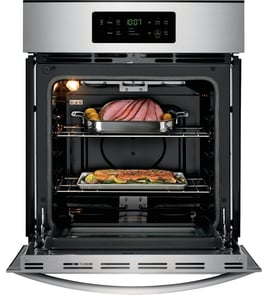



Are electric wall ovens 110 or 220?
Most electric wall ovens, including the Tappan 11-4969-00-02, are designed to run on a 240-volt (often called 220-volt) circuit, not a standard 120-volt (110-volt) household outlet. In practice, that means they are typically hardwired or connected to a dedicated 2-pole breaker circuit.
What you should expect for power requirements
Most electric wall ovens use a dedicated 240V supply so the bake and broil elements can heat properly.
- Voltage: typically 240V (sometimes listed as 208/240V)
- Breaker: typically a dedicated 2-pole breaker
- Wiring: usually hardwired (some installations use a junction box)
- Outlet type: not a standard 3-prong 120V receptacle
- Grounding: required for safe operation
Quick comparison: 120V vs 240V appliances
| Item | 120V (110V) circuit | 240V (220V) circuit |
|---|---|---|
| Typical use | Small appliances, many gas ovens | Most electric wall ovens, electric ranges |
| Breaker type | Single-pole | Double-pole |
| Heating performance | Limited for large ovens | Supports full-size bake and broil heat |
If your oven is not heating correctly
If the oven powers on but does not heat, a common cause is losing one leg of the 240V supply (you can end up with lights or a clock working on 120V, but no element heat).
- Reset the double-pole breaker fully (OFF, then ON)
- Check for a tripped breaker that looks only partially tripped
- Inspect the terminal connections for overheating (power off first)
- If you suspect a failed heating circuit, test components with a meter
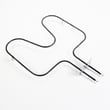
- Replace failed heating parts when needed, such as the element 318255101 (bake element) or range broil element 5303016247
Why it matters
Using the correct 240V circuit prevents weak heating, long preheat times, nuisance breaker trips, and wiring damage. It also helps protect key components like the bake element, broil element, and terminal connections.
Last updated: February 2026
What is a common problem of the electric oven?
A common problem with an electric wall oven like the Tappan 11-4969-00-02 is that it will not heat correctly (or at all) because a heating circuit component fails, most often a bake element, broil element, or a power connection issue. Start by confirming the oven has full power, then check the heating elements for visible damage.
Most common electric oven problems (and what they look like)
- No heat in bake: bake element stays dark, food never cooks through
- No heat in broil: top element does not glow, broiling is weak or dead
- Oven light not working: cavity stays dark even with the light switch on
- Intermittent power or burning smell at the back: loose or overheated wiring connections
- Self-clean issues or door lock problems: oven will not start a cycle or acts “stuck”
Quick checks we recommend first
- Verify power: electric ovens typically need a full 240V supply; a tripped breaker can leave you with partial power (lights work, heat does not).
- Look for obvious element damage: blisters, cracks, holes, or separated spots on the element.
- Check connections: inspect for discoloration or melted terminals where the power cord or internal wiring connects.
- Test with a meter (if you are comfortable): continuity checks help confirm whether an element or switch has failed.
Parts that commonly fix “no heat” or “no light” symptoms
| Symptom | Common cause | Example part for this model |
|---|---|---|
| No bake heat | Failed bake element | Element 318255101 |
| No broil heat | Failed broil element | Range broil element 5303016247 |
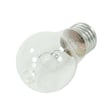
| Oven light out | Burned-out bulb | Range oven light bulb 316538904 |
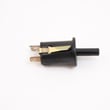
| Intermittent power | Loose/overheated connection | Block 5304409888 |
Why it matters
When an oven is not heating properly, cooking times become unreliable and the oven can appear “dead” even though the display or light works. Checking the bake and broil circuits first helps you pinpoint the most likely failure quickly and avoid replacing the wrong part.
Last updated: February 2026
What is the life expectancy of a wall oven?
A wall oven typically lasts about 13 years with normal household use and basic maintenance. For your Tappan 11-4969-00-02 electric wall oven, keeping the heating system, wiring connections, and door components in good shape is what most directly affects service life.
Typical wall oven lifespan (what to expect)
Most wall ovens fall into a fairly consistent range.
| Condition | Typical life expectancy | What usually drives it |
|---|---|---|
| Light to average use | ~13 years | Normal wear on elements and controls |
| Heavy use (daily high-heat cooking) | 10 to 12 years | Faster wear on bake/broil circuits |
| Well-maintained, prompt repairs | 14 to 16 years | Fewer heat-related failures |
What shortens wall oven life
These are the most common life-reducers we see in electric wall ovens:
- Overheating from restricted venting or heavy grease buildup
- Loose or heat-damaged power connections at the terminal block
- Running with a weak bake or broil element (longer heat times stress wiring and controls)
- Slamming or misalignment of the door (stresses hinges, switch, and trim)
- Ignoring early symptoms like uneven baking, burning smells, or flickering oven light
Maintenance that helps it reach (or beat) the average
A few simple habits make a measurable difference:
- Keep the oven cavity reasonably clean so heat circulates normally.
- If preheat times suddenly increase or baking turns uneven, test and replace the bake element as needed.
- If the oven loses power intermittently, inspect the power cord and terminal connections; replace a heat-damaged terminal block.
- Replace a failed oven light promptly so you do not need to open the door repeatedly to check food.
Helpful parts for common wear items:
Why it matters
Knowing the typical life expectancy helps you decide whether a repair is a smart investment. On an older wall oven, replacing a high-wear part like a heating element or terminal block often restores safe, reliable heating and can extend usable life for years.
Last updated: February 2026
Where is the model number on a Tappan oven?
On a Tappan wall oven like model 11-4969-00-02, the model number is typically printed on a rating label around the oven door opening (often along the frame) or on the side trim area visible when the door is open. Use the exact model number from that label when selecting parts such as the range oven light bulb 316538904.
Most common places to check
Look for a paper or metal rating label in these spots (check with the oven door open):
- Along the left or right side of the oven frame (door jamb)
- On the bottom edge of the frame near the door opening
- Behind or near the control panel area (upper front)
- On the side trim (visible at the front edge when the door is open)
- On the oven cavity rim near the hinge area
How to read the label (what to copy)
Write down the information exactly as shown so we can match the correct wall oven parts:
- Model number (example format: 11-4969-00-02)
- Serial number (helps confirm production run)
- Electrical rating (volts and amps; useful for diagnosing power issues)
Quick troubleshooting if you cannot find it
If the label is hard to see or worn, these steps usually help:
- Wipe the frame area with a damp cloth and mild cleaner, then dry
- Use a flashlight and look at a low angle to catch faint printing
- Take a close-up photo and zoom in
- Check both sides of the frame; labels are often on only one side
Why it matters
Tappan wall ovens can use different bake elements, broil elements, switches, and terminal blocks depending on the exact model and revision. Matching the label prevents ordering the wrong part and avoids fit or wiring issues.
| What you need | Where it’s used | Example part on this model page |
|---|---|---|
| Model number | Identifies the exact oven design | 11-4969-00-02 |
| Serial number | Confirms production series | Not used to search parts, but helpful |
| Part ID | Identifies the exact replacement part listing | 316538904 |
Last updated: February 2026