 Installation guide
 Owner’s manual


What is the rough opening for a GE dishwasher?
For the GE dishwasher model GSD3960L00SS, we size the rough cabinet opening at 24 inches minimum width, 24 inches minimum depth, and about 34-1/2 inches high from the floor to the underside of the countertop. Confirm your exact cutout and clearances in the GSD3960L00SS installation guide.
Rough opening and clearance checklist
- Minimum opening: 24 in. W x 24 in. D x ~34-1/2 in. H
- Keep the back wall clear of pipes and wiring where the dishwasher slides in
- Make sure adjacent cabinets are square and plumb for a proper fit
- For a corner install, allow 2 inches minimum clearance between the dishwasher and the adjacent cabinet, wall, or appliance
- Plan for future removal (service access) when routing water, drain, and electrical
Quick reference table
| Measurement or clearance | What to plan for | Typical target |
|---|---|---|
| Rough opening width | Cabinet cutout width | 24 in. minimum |
| Rough opening depth | Cabinet cutout depth | 24 in. minimum |
| Rough opening height | Floor to underside of countertop | ~34-1/2 in. |
| Corner clearance | Side clearance at corner installs | 2 in. minimum |
Why it matters
A correctly sized opening helps the dishwasher slide in without pinching the drain hose, power cable, or water line. It also helps the door open freely and keeps the unit fully enclosed, which is important for safe operation and reliable performance.
Installation tips we recommend before you slide it in
- Measure the opening in multiple spots (front and back) to catch out-of-square cabinets
- Verify the floor is level; leveling legs can handle small differences
- Route the electrical connection on the right side and the water connection on the left side (as specified for this design)
- Keep the shutoff valve accessible under the sink for easier service
Last updated: January 2026
Are all GE dishwashers the same size?
No. GE dishwashers are not all the same size; most built-in GE models (including many like GE GSD3960L00SS) are designed for a standard 24-inch cabinet opening, but GE also makes compact 18-inch models and sizes can vary by height and depth. Confirm fit using the GSD3960L00SS installation guide.
Typical GE dishwasher sizes (what to expect)
Most kitchens are built around standard dishwasher openings, but the exact cutout and the dishwasher’s adjustable feet can change the final fit.
- Standard built-in width: about 24 inches
- Compact built-in width: about 18 inches
- Height: commonly adjustable to fit under countertops
- Depth: varies with door style and handle
- Connections: water line and electrical routing can affect how far the unit sits back
What to measure before you buy or replace
Measure the cabinet opening and compare it to the installation requirements.
- Opening width (side to side)
- Opening height (floor to underside of countertop)
- Opening depth (front of cabinet to back wall)
- Clearance for the door to open fully
- Space for water line and electrical routing
Quick comparison: common built-in dishwasher widths
| Dishwasher type | Nominal width | Best for |
|---|---|---|
| Standard built-in | 24 in. | Most full-size kitchens |
| Compact built-in | 18 in. | Apartments, small kitchens |
Why it matters
A dishwasher that is even slightly too tall, too deep, or too wide can be hard to install, may not sit flush with the cabinets, and can strain the water inlet, drain hose, or power connection. The installation instructions for GE GSD3960L00SS also specify where connections enter and where the receptacle should be located, which helps prevent fit and hookup problems.
Last updated: January 2026
Can a clogged drain cause an FTD error?
Yes. On the GE GSD3960L00SS dishwasher, an FTD (fail to drain) condition commonly happens when water cannot leave the tub due to a clog in the drain path (air gap, hose, disposer connection, or drain components), so clearing the restriction typically restores draining.
What to check first (fast, common fixes)
- Turn off power to the dishwasher at the breaker before inspecting parts.
- If you have an air gap, remove the cap and clean out debris (a clogged air gap can stop draining).
- Check the sink disposer inlet where the dishwasher drain connects; clear any blockage.
- Inspect the drain hose for kinks, crushing, or a clog; make sure it is not pinched behind the unit.
- Confirm the drain setup uses an air gap when required, or a proper high drain loop (poor drain height can cause improper draining).
- If the hose is extended, keep total drain hose length at 10 ft. or less for proper drain operation.
Drain setup requirements that can trigger “won’t drain” symptoms
The installation details matter because siphoning or an incorrect drain height can mimic a clog.
| Item to verify | What “good” looks like | What can go wrong |
|---|---|---|
| Air gap use | Used when the waste tee or disposer connection is under 18 in. above the floor (or when required by code) | Siphoning or poor draining |
| High drain loop | Drain loop reaches at least 32 in. above the floor | Water can flow back into the tub |
| Drain hose length | 10 ft. max total length | Weak drain performance |
For diagrams and the exact drain methods, follow the GSD3960L00SS installation guide.
When a part is likely involved
If the drain path is clear and the dishwasher still will not pump out, the issue is often in the drain actuation or pump area.
Common part-related suspects include:
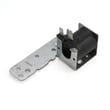
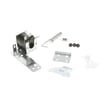
- Drain solenoid not actuating properly (see GE dishwasher drain solenoid assembly WD21X10268)
- Drain hose internally restricted or deteriorated (see dishwasher drain hose WD24X10014)
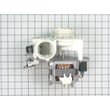
- Pump and motor not moving water (see mechanism WD26X10013)
Why it matters
An FTD condition leaves dirty water in the tub, can cause odors, and can lead to poor cleaning on the next cycle. Fixing the clog or correcting the drain installation usually resolves the problem quickly.
Last updated: January 2026
What is the most common problem with a GE dishwasher?
For the GE GSD3960L00SS dishwasher, the most common problems we see are draining issues (water left in the tub), not starting (door not latching or control issues), and poor cleaning from restricted water flow. These usually trace back to clogs, a drain solenoid problem, or a wash system issue.
Most common symptoms and what they usually mean
- Won’t drain or drains slowly: clogged drain path, kinked hose, or a drain solenoid that isn’t actuating
- Won’t start: door not fully latched, power supply issue, or control problem
- Not cleaning well: blocked spray arm holes, low water fill, or weak wash pump performance
- Leaks: door seal wear, loose clamps, or installation leveling issues
- Bad odor: food debris buildup in the tub and drain area
Quick checks you can do first (no parts needed)
- Verify the door closes and latches firmly; do not run the dishwasher unless panels are in place (per the safety guidance in the GSD3960L00SS owner’s manual).
- Check the sink/disposer connection for a blockage where the dishwasher drain ties in.
- Inspect the drain hose routing for kinks and make sure it is secured correctly.
- Run hot water at the sink before starting a cycle to improve wash performance.
Parts that commonly fix these issues on this model
| Problem | Common fix | Example part for GSD3960L00SS |
|---|---|---|
| Not draining | Restore drain actuation | GE dishwasher drain solenoid assembly WD21X10268 |
| Not filling / weak fill | Restore water supply into tub | Dishwasher water inlet valve WD15X10003 |
| Poor wash / noisy wash | Restore circulation | Mechanism WD26X10013 |
| Standing water / slow drain | Replace restricted drain line | Dishwasher drain hose WD24X10014 |
Why it matters
Drain and fill problems can leave dirty water in the tub, reduce cleaning performance, and increase the chance of leaks. Catching a clog or a failing solenoid early often prevents bigger wash system damage.
Helpful troubleshooting references
- Use the GE dishwasher error codes guide if your dishwasher is flashing lights or showing an electronic fault.
- For installation-related issues (leaks, movement, hose routing), follow the GSD3960L00SS installation guide so the dishwasher can be removed later for service.
Last updated: January 2026





