Owner’s manual
 Error Codes


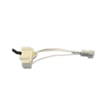
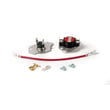
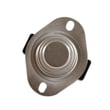
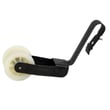
How do I tell what model my Kenmore dryer is?
Your Kenmore dryer’s model number is printed on the model and serial number plate; on Kenmore model 11066812694, you’ll use that plate to record the complete model and serial numbers for service, parts, and troubleshooting. Check the door opening first, then the back of the cabinet.
Where to look for the model number plate
Most Kenmore electric dryers place the model and serial number plate in one of these common spots:
- Inside the dryer door opening on the cabinet frame
- On the back of the dryer cabinet near the top
- Along the door opening edge where the door closes against the front panel
- Occasionally behind the lower access panel (if equipped)
For the exact plate location and how it’s labeled, use the 11066812694 owner's manual.
What to write down (and why)
Record the full model number and the serial number exactly as shown. We use both to match the correct Kenmore parts list, wiring, and configuration.
| What you find | Example format | What it’s used for |
|---|---|---|
| Model number | 110.66812694 or 11066812694 | Correct parts and diagrams |
| Serial number | Letters and numbers | Production details and service identification |
Tips to avoid common mix-ups
- Copy every digit; one missing number can pull the wrong drum belt, thermostat, or timer.
- If the tag is worn, take a clear photo and zoom in.
- Use the model number (not the cycle names on the console) when ordering parts.
Why it matters
Kenmore dryers share many look-alike designs, but parts like the heating circuit components and controls can vary by model series. Using the model and serial number plate prevents ordering the wrong component and reduces repeat repairs.
Last updated: February 2026
How much does it cost to replace a heating element in a Kenmore dryer?
For Kenmore electric dryer model 11066812694, heating-element replacement typically costs $150 to $350 total (part plus labor). If you do the repair yourself, the part cost is usually $50 to $120, plus any wiring or thermal safety parts needed.
Typical cost breakdown
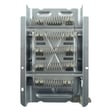
- Heating element part: often $50 to $120 (this model’s listed element is dryer element 279838)
- Labor: commonly $100 to $250 (service call plus installation)
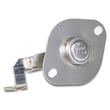
- Optional related parts (sometimes needed): wire kit, thermal cut-off kit, thermostat
- Tools/supplies: $0 to $25 (nut driver, vacuum, terminals)
| Scenario | What you pay for | Typical total |
|---|---|---|
| DIY element only | Element + basic supplies | $50 to $145 |
| DIY with related parts | Element + safety parts/wiring | $100 to $220 |
| Pro repair | Parts + labor | $150 to $350 |
Before you buy a heating element
A dryer that will not heat is often caused by airflow or safety cutoffs, not just the element. We recommend these quick checks first (power off):
- Clean lint screen and confirm strong airflow at the outside vent hood
- Make sure the vent is not crushed or kinked behind the dryer
- Check for a blown thermal cut-off (common after restricted venting)
- Inspect element terminals and wiring for heat damage
- Confirm the cycle and temperature settings are calling for heat
For model-specific access steps and safety notes, follow the 11066812694 owner's manual.
Parts that commonly get replaced together
Replacing related parts can prevent repeat failures when overheating or poor airflow caused the original problem.
| Symptom | Common related part | Example for this model |
|---|---|---|
| No heat after vent restriction | Thermal cut-off kit | Cut-off kit 279816 |
| Burned or loose element wires | Heating element wire kit | Dryer heating element wire kit 279457 |
Why it matters
A failed heating circuit can be caused by overheating from lint buildup or a blocked vent. The manual recommends removing accumulated lint from the vent and having lint inside the dryer cleaned periodically; good airflow helps the heating element and thermal safety devices last longer.
Last updated: February 2026
What is the average lifespan of 11066812694?
The average lifespan of a Kenmore electric dryer like model 11066812694 is about 13 years with normal household use and routine vent and lint maintenance.
What affects lifespan the most
A dryer usually lasts longer when airflow stays strong and moving parts stay aligned.
- Keeping the lint screen and lint chute clear
- Keeping the exhaust vent short, smooth, and unobstructed
- Avoiding chronic overloading (reduces strain on the drive system)
- Fixing squealing, thumping, or burning smells quickly
- Replacing wear items before they damage other components
Maintenance schedule we recommend
The manual calls out lint buildup as a fire risk and recommends periodic cleaning; it also notes lint can accumulate inside the dryer and venting.
| Task | How often | Why it matters |
|---|---|---|
| Clean lint screen | Every load | Maintains airflow and drying performance |
| Check/clean vent line to hood | Every 6 to 12 months | Prevents long dry times and overheating |
| Internal lint removal (cabinet) | Every 2 to 3 years | Reduces heat stress on thermostats and wiring |
For model-specific safety and cleaning guidance, follow the owner's manual.
Parts that commonly determine “end of life”
If the dryer still heats and tumbles, replacing a few common wear parts often restores reliable operation.
- If the drum stops turning or slips: drum belt 341241
- If you hear squealing or the drum feels hard to turn: dryer idler pulley WP691366
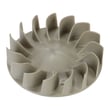
- If drying is weak and you smell hot lint: inspect airflow and the dryer blower wheel WP694089
- If it runs but will not heat: test the dryer element 279838 and thermal devices
Why it matters
A dryer near the end of its typical service life can still be dependable, but restricted venting and worn drive parts raise heat and friction. That shortens the life of thermostats, wiring connections, and the heating circuit.
Last updated: March 2026