Owner’s manual




Where can I buy Craftsman garage door opener parts?
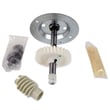
You can buy replacement parts for your Craftsman garage door opener model 13953978SRT through Sears PartsDirect by searching the model number and matching the part to your exact configuration in the parts list. Use the owner's manual to confirm the correct part name and location before ordering.
Best way to find the right part for 13953978SRT
We recommend using the parts list and diagrams to identify the exact component, then confirming it against the manual sections for assembly, installation, and troubleshooting.
- Find your model number on the opener motor housing and confirm it matches 13953978SRT
- Use the parts list to identify the exact part description (for example: safety reversing sensor, chain, trolley, idler pulley)
- Compare what you see on the opener to the diagram so you order the correct version
- If you are replacing a safety item (like sensors), replace and align both sides as a set when needed
- After installing parts, run a full open and close test and verify the safety reverse works
Common parts customers replace on this Craftsman opener
These are frequently involved when the door will not open, will not close, or reverses unexpectedly.
| Symptom | Common area to check | What to look for |
|---|---|---|
| Door will not close | Safety reversing sensors | Misalignment, blocked beam, loose wires |
| Opener runs but door does not move | Drive system | Worn gears, loose chain, trolley not engaged |
| Door reverses or stops | Travel and force settings | Needs adjustment after repairs |
| Remote or keypad issues | Controls/accessories | Reprogramming, battery, wall control wiring |
Why it matters
Ordering by model number helps you avoid mismatched parts that do not fit your rail, chain drive, or safety sensor setup. It also helps keep the opener operating safely, especially after replacing sensors or adjusting force and travel.
Helpful DIY references for Craftsman troubleshooting
If you are seeing blinking lights or diagnostic behavior, use our Craftsman error codes guide to narrow down the failure before ordering parts.
Last updated: February 2026
Is it cheaper to repair or replace a garage door opener?
For a Craftsman garage door opener like model 13953978SRT, it’s cheaper to repair when the problem is isolated (safety sensors, wall control wiring, force/limit settings, or a worn gear) and the opener is otherwise reliable. Replacement is the better value when the opener has repeated failures, major drive or motor issues, or the repair total approaches the cost of a new unit.
Quick decision guide (repair vs replace)
- Repair when the door is mechanically sound and the opener issue is electrical/adjustment-related.
- Repair when troubleshooting points to sensors, wiring connections, or force/limit settings.
- Replace when the opener has frequent breakdowns or multiple parts are failing.
- Replace when the motor or drive system damage is extensive.
- Replace when you want newer convenience features (for example, smart controls or battery backup).
Typical cost comparison
Costs vary by area and labor rates, but these ranges help you decide.
| Option | Typical total cost | Best for |
|---|---|---|
| Minor repair/adjustment | $100 to $250 | Sensor alignment, wiring fixes, force/limit tuning |
| Moderate repair | $200 to $500 | Gear/drive issues, control problems |
| Replace opener | $300 to $1,000+ | Older units, repeated failures, major component damage |
What to check first on model 13953978SRT
Before spending money, we recommend these checks because they often solve “won’t open” or “won’t close” complaints:
- Disconnect power before removing covers or servicing (basic safety step).
- Inspect and align the safety sensors; clean the lenses and confirm both indicator lights are steady.
- Verify the garage door is properly balanced; an unbalanced door can prevent safe reversing.
- Review limit and force adjustments; seasonal changes can require readjustment.
- Repeat the safety reverse test after any adjustment.
For the exact adjustment locations and test procedure, use the owner's manual.
Why it matters
A garage door opener can only operate safely when the door is balanced and the force and travel limits are set correctly. Repairing the opener without addressing door balance or sensor issues can lead to repeat failures and unsafe operation.
You can also use Craftsman error codes to narrow the problem quickly before deciding whether repair or replacement makes more sense.
Last updated: February 2026
What are the common problems with Craftsman garage door openers?
Common problems with the Craftsman 13953978SRT garage door opener include power or control issues (won’t run from the wall control or remote), safety sensor faults that stop closing and trigger blinking lights, and door travel or force settings that need adjustment. Use the 13953978SRT owner's manual troubleshooting chart to match symptoms to fixes.
Most common symptoms and what they usually mean
- Opener won’t operate from wall control or remote: outlet has no power, a breaker is tripped, a door lock is engaged, the door is frozen to the floor, or the motor overload protector needs time to reset.
- Remote works but wall control doesn’t: wall control wiring or the door control itself is often the issue.
- Door reverses and opener lights blink: safety reversing sensors are blocked or misaligned.
- Door won’t open fully or stops early: obstruction in the door path, binding rollers/tracks, or travel limits need adjustment.
- Motor hums briefly then stops: door may be locked, springs may be broken, or the drive system is jammed.
- Short remote range: antenna not hanging down fully, interference from metal doors/insulation, or remote location in the vehicle.
Quick checks we recommend before adjusting anything
- Confirm the ceiling outlet has power (test with a lamp).
- Make sure all manual door locks are disabled.
- Inspect the safety sensor lenses; clean and align them so they face each other.
- Pull the emergency release and move the door by hand; it should move smoothly and stay balanced.
- Wait 15 minutes if the opener was cycled repeatedly (overload protector can trip).
Adjustments and when to use them
| Issue you see | Best next step | What to avoid |
|---|---|---|
| Door reverses near the floor | Check sensors first; then verify travel limits | Increasing force to “push through” |
| Door stops short of open | Remove obstructions; check door movement; adjust travel if needed | Repeated cycling without fixing binding |
| Opener strains or needs max force | Disconnect and test door balance; address door hardware | Force adjustments to compensate for a bad door |
Why it matters
Most “opener problems” are actually door or sensor problems. Fixing alignment, power, and door balance first prevents nuisance reversals, protects the motor/gear train, and keeps the safety reverse system working correctly.
For light-flash patterns and diagnostic help, use Craftsman error codes.
Last updated: February 2026
What is the life expectancy of a Craftsman garage door opener?
A Craftsman garage door opener typically lasts 10 to 15 years. For your Craftsman 13953978SRT (1/2 HP), lifespan depends most on door balance, correct force and travel settings, and routine safety checks outlined in the 13953978SRT owner's manual.
What affects lifespan the most
- Door balance and hardware condition: a binding or unbalanced door overworks the motor and drive.
- Force and limit settings: incorrect adjustments can cause repeated strain and nuisance reversals.
- Monthly safety reversal testing: helps catch problems early and prevents damage from misadjustment.
- Usage cycles: multiple open/close cycles daily shortens life compared to light use.
- Maintenance habits: keeping the door system running smoothly reduces load on the opener.
Quick checks that help your opener last longer
- Test the safety reversal monthly: the door should reverse when it contacts a 1-inch object (or a 2x4 laid flat).
- Watch the door travel: it should move smoothly without jerking, sticking, or slowing.
- Use the emergency release correctly: use it when the door is closed whenever possible.
- Disconnect power before service: unplug or shut off power before removing covers or working on the opener.
Common “end of life” symptoms vs. fixable issues
| What you notice | Often means | What to do first |
|---|---|---|
| Door reverses unexpectedly | Force/limit out of adjustment or door binding | Check door movement; then review force/limit adjustment steps in the manual |
| Opener runs but door barely moves | Worn drive components or door hardware drag | Inspect door for binding; then inspect opener drive system |
| Safety sensors act up (won’t close) | Alignment, wiring, bright sun interference | Verify alignment; consider a sun shield approach |
Why it matters
A garage door opener is designed to operate safely only when the door is properly balanced and the safety reversal system is tested and adjusted correctly. Keeping those items in spec reduces wear on the motor and drive and helps you reach the full 10 to 15 year service life.
Related help: how to maintain a garage door opener
Last updated: February 2026