Owner’s manual
 Error Codes

What is the life of an LG dryer?
An LG dryer like model DLE2350W typically lasts 10 to 15 years with normal household use. Keeping airflow strong (lint screen and venting) and fixing wear items early helps the dryer heat correctly, dry faster, and avoid strain on the motor and drum system.
- Airflow restrictions (lint buildup in the lint screen housing or exhaust duct)
- Overloading the drum, which stresses the belt, rollers, and idler pulley
- Heat stress from long dry times, which can shorten the life of thermostats and the heating circuit
- Moisture sensor issues that cause over-drying and extra run time
- Delayed maintenance after new noises (squeal, thump, rumble)
Use your DLE2350W owner's manual for the exact cleaning and care schedule. In general, these habits extend life:
- Clean the lint screen every load
- Check and clean the vent path regularly so the dryer is not running hot and long
- Keep loads balanced; avoid packing the drum tight
- Stop using the dryer if you hear persistent squealing or grinding
- Address “no heat” or “long dry time” symptoms quickly
If the dryer runs but makes noise, stops tumbling, or takes too long to dry, these model-matched parts are often involved:
| Symptom | Common cause | Example part for DLE2350W |
|---|---|---|
| Drum not turning | Broken/slipping belt | Dryer drum belt 4400EL2001F |
| Squealing or poor tension | Worn idler pulley | Dryer idler pulley 4560EL3001A |
| No heat or overheating protection trips | Heating or limit control issue | Dryer high-limit thermostat 6931EL3001F |
A dryer that is forced to run longer than normal (usually from restricted venting or worn drum-drive parts) builds extra heat and load. That extra stress is what most often turns a 10 to 15 year dryer into a much shorter-lived one.
Last updated: February 2026
What is the most common problem with LG dryers?
The most common problem we see with LG dryers (including model DLE2350W) is poor airflow, which causes long dry times and can trigger overheating shutoffs. The next most common issues are no-heat conditions (heater or temperature-sensing parts) and tumbling noise or no tumble from worn belt and pulley components.
- Dryer takes too long to dry: lint screen clogged, vent restricted, or blower/duct blockage
- Dryer shuts off mid-cycle: overheating from restricted airflow, or a temperature control issue
- No heat: heating circuit problem (heater, thermostats, thermistor)
- Loud squeal, thump, or grinding: belt, idler pulley, or drum support wear
- Runs but clothes stay damp on sensor cycles: moisture sensor bars/guide dirty or misreading
- Clean the lint screen and confirm the housing is seated correctly.
- Check airflow at the outside vent hood; it should be strong and steady.
- Inspect the vent path for kinks, crushed flex duct, or heavy lint buildup.
- Try a timed dry cycle; if timed works better than sensor cycles, clean the moisture sensor area.
- Review operating and venting requirements in the DLE2350W owner's manual.
| Problem | What fails most often | Example part for DLE2350W |
|---|---|---|
| No tumble or squealing | Belt or idler pulley | Dryer drum belt 4400EL2001F, dryer idler pulley 4560EL3001A |
| No heat or overheating | Heater or thermostats | Dryer heating element 5301EL1001J, dryer high-limit thermostat 6931EL3001F |
| Erratic temperature or dry results | Thermistor | Dryer thermistor AGM30045804 |
Airflow problems do more than slow drying; they raise internal temperatures, which can shorten the life of heating and safety components (like thermostats) and lead to repeated shutdowns. Fixing venting and lint buildup first often prevents repeat failures.
If your dryer is showing a code or stopping unexpectedly, use our LG dryer error codes guide to match the symptom to the most likely cause.
Last updated: February 2026
How do I reset my LG dryer flow sensor?
On the LG DLE2350W dryer, the Flow Sense (airflow) warning clears after you restore proper venting and then power-cycle the dryer. Clean the lint filter and exhaust path first; then unplug the dryer (or switch the breaker off) for 5 minutes and restart a cycle. See the DLE2350W owner's manual for the exact indicator behavior for your control panel.
- Clean the lint screen completely (wash with warm water if it has fabric softener residue; dry it before reinstalling).
- Check the vent hood outside; remove lint buildup and confirm the flap opens freely.
- Inspect the entire vent run for kinks, crushed sections, or long runs with too many elbows.
- Make sure the dryer is not pushed back so far that it pinches the vent.
- Run a timed dry cycle for 5 to 10 minutes and confirm strong airflow at the outside hood.
- Turn the dryer off.
- Unplug the power cord (or turn the dryer breaker off).
- Wait 5 minutes.
- Restore power.
- Start a Timed Dry cycle and monitor for the airflow warning.
Restricted airflow is still the most common cause, but these checks help narrow it down:
| What you notice | Most likely cause | What to check next |
|---|---|---|
| Long dry times and hot cabinet | Vent restriction | Vent run, outside hood, lint buildup inside ducting |
| Dryer runs but clothes stay damp | Poor airflow or low heat | Venting first; then heating system |
| Warning appears even with short vent | Sensor circuit issue | Moisture sensor area and wiring connections |
If you suspect a heat-related problem after confirming good airflow, a failed thermostat or heating component can contribute to overheating and shutdowns. Common related parts for this model include the dryer high-limit thermostat 6931EL3001F and the dryer heating element 5301EL1001J.
Flow Sense is designed to prevent unsafe temperatures and poor drying performance. Keeping airflow strong protects the heater, thermostats, drum belt, and helps the dryer dry faster with less energy.
Last updated: February 2026
How do I make my LG dryer dry faster?
For your LG DLE2350W dryer, faster drying usually comes down to airflow and heat: clean the lint screen every load, make sure the exhaust vent is clear and short, and use the right cycle settings. For model-specific cycle and venting guidance, follow the DLE2350W owner's manual.
- Clean the lint screen before every load; rinse it with warm water and a soft brush if you see residue (fabric softener can clog the mesh).
- Check the outside vent hood; make sure it opens fully and is not blocked by lint, snow, or a stuck flap.
- Reduce load size; overloading prevents tumbling and traps moisture.
- Use a higher heat cycle when safe for the fabric (for example, cottons on high heat).
- Add dryer balls to improve airflow through bulky loads.
- Spin clothes longer in the washer (higher spin speed) so less water goes into the dryer.
Poor airflow is the top reason an electric dryer takes too long.
| What to check | What “good” looks like | What slows drying |
|---|---|---|
| Vent duct material | Rigid or semi-rigid metal | Crushed foil or plastic duct |
| Duct length | Short, straight run | Long run with many elbows |
| Lint buildup | Little to none | Heavy lint in duct or hood |
| Air at outside hood | Strong, steady flow | Weak flow or flap barely opens |
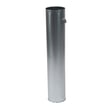
If your duct is damaged or restricted inside the cabinet, replacing the internal duct can restore airflow; see the dryer exhaust duct 5209EL1006A.
If airflow is good but drying is still slow, the dryer may be cycling heat off too early or not heating fully.
- A failing temperature sensor can misread heat; see the dryer thermistor AGM30045804.
- A weak or broken heater can reduce drying performance; see the dryer heating element 5301EL1001J.
- A thermostat that opens too soon can limit heat; see the dryer high-limit thermostat 6931EL3001F.
Long dry times waste energy, overwork the motor and drum belt, and can lead to overheating if lint buildup restricts airflow. Keeping the lint screen and venting clean protects performance and helps prevent repeat repairs.
Last updated: February 2026