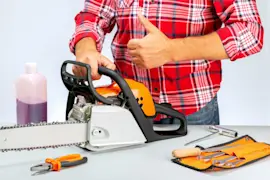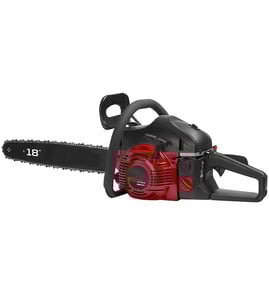



Is the Homelite chainsaw good or bad?
The Homelite UT-10901 gas chainsaw is a good choice for light, occasional homeowner cutting (limbs, storm cleanup, small firewood), but it is a bad fit for frequent, heavy-duty work. For best results, keep the chain sharp, use fresh fuel mix, and stay on top of routine maintenance.
What “good” means for the UT-10901
For most homeowners, “good” means the saw starts reliably, cuts cleanly, and is easy to handle for short jobs.
- Lighter-duty design is easier to control for quick yard tasks
- Lower cost of ownership compared with pro-grade saws
- Straightforward maintenance (air filter, spark plug, fuel filter)
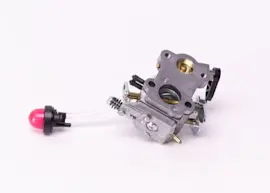
- Parts like fuel lines, primer bulb, and carburetor components are common wear items
When it becomes a “bad” choice
If you expect long run times, large hardwood cuts, or daily use, a homeowner-grade gas chainsaw can feel underpowered and wear faster.
- More sensitive to stale fuel and incorrect 2-cycle mix
- Can run rough or stall if the carburetor is dirty or out of adjustment
- Higher chance of downtime if fuel lines harden or crack
- Bar and chain performance drops quickly if the chain is dull or tension is off
Quick checklist to judge your saw (5-minute test)
Use this to decide whether your UT-10901 is performing normally or needs service.
| Check | Normal | Points to a problem |
|---|---|---|
| Cold start | Starts within a few pulls with choke | Won’t start or only runs on choke |
| Idle | Idles without chain moving | Dies at idle or chain creeps |
| Acceleration | Revs cleanly | Bogging, hesitation, surging |
| Cutting | Pulls chips, not dust | Dusty cut, smoking, slow feed |
Why it matters
A “good vs bad” experience usually comes down to maintenance and matching the saw to the job. A sharp chain, correct chain tension, and clean fuel system prevent most complaints like hard starting, rough running, and poor cutting.
Helpful DIY resources
Last updated: February 2026
Can you still get parts for Homelite chainsaws?
Yes. You can still get replacement parts for Homelite chainsaws, including the Homelite UT-10901, by looking up your exact model number and matching the part to your saw’s diagram and symptom. Availability varies most for older fuel-system and ignition parts.
Best way to find the right part for UT-10901
Because small-engine parts can look similar but fit differently, we recommend matching by model number first, then by the symptom you’re fixing.
- Confirm the model number is UT-10901 (from the data plate on the saw)
- Use the exploded parts diagram to identify the exact part name and reference number
- Match the part to your symptom (won’t start, runs rough, leaking gas, won’t oil the chain)
- Replace wear items together when it makes sense (fuel lines plus fuel filter, spark plug plus air filter)
- Recheck bar and chain specs before ordering (pitch, gauge, drive link count)
Common parts that are usually still available
For most Homelite gas chainsaws, these are the most commonly replaced items and the easiest to source:
| Part type | What it affects | Typical signs it needs replacement |
|---|---|---|
| Fuel lines and fuel filter | Starting and running | Hard starting, surging, fuel smell, cracked lines |
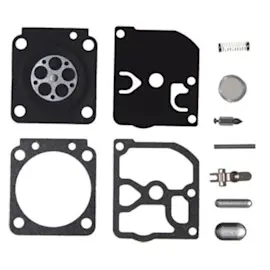
| Carburetor or carb kit | Fuel metering | Runs rough, stalls at idle, only runs on choke |
| Spark plug | Ignition | No start, weak spark, misfire |
| Air filter | Airflow | Loss of power, rich running, plug fouling |
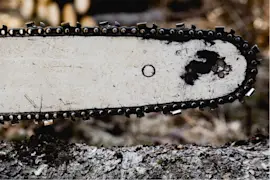
| Bar and chain | Cutting performance | Crooked cuts, excessive vibration, dull cutters |
| Oil pump or oiler parts | Chain lubrication | Dry chain, smoking bar, rapid chain wear |
Why it matters
Using the correct model-matched part prevents air leaks, fuel leaks, and poor performance. On a gas chainsaw like the UT-10901, small differences in fuel line routing, carburetor linkage, or bar and chain sizing can cause hard starting, unsafe cutting, or premature wear.
Helpful DIY guides for common Homelite chainsaw issues
- For no-start troubleshooting: tips for a hard to start chainsaw
- For fuel leaks and cracked hoses: how to replace chainsaw fuel lines
- For rough running and fuel metering problems: how to replace a chainsaw carburetor
Last updated: February 2026
How many cc's is a Homelite UT-10901?
The Homelite UT-10901 gas chainsaw has a 33 cc engine displacement. That cc rating is the key spec to use when you’re comparing carburetors, fuel lines, and other engine-related parts for this model.
What “33 cc” means for your UT-10901
Use the displacement to match parts and tune-up items correctly:
- Helps confirm you’re selecting the correct carburetor and fuel system components
- Sets expectations for power and cutting capacity for a homeowner-grade saw
- Guides troubleshooting when the saw bogs, surges, or won’t idle
- Supports correct maintenance intervals (air filter, spark plug, fuel filter)
Common reasons a 33 cc chainsaw runs poorly
If you’re asking about cc because performance is off, these are the most frequent causes:
- Stale fuel or incorrect 2-cycle oil mix
- Clogged air filter or plugged spark arrestor screen
- Cracked or hardened fuel lines
- Dirty carburetor or stiff carburetor diaphragms
- Worn spark plug or weak ignition
For step-by-step help, use tips for a hard to start chainsaw or chainsaw runs rough.
Quick reference table
| Spec or task | What to use for UT-10901 | Why it matters |
|---|---|---|
| Engine displacement | 33 cc | Correct part matching and performance expectations |
| Fuel | Fresh 2-cycle mix | Prevents hard starting and lean running |
| Fuel delivery checks | Lines, filter, carburetor | Most common cause of surging and stalling |
Why it matters
Using the correct 33 cc displacement keeps your Homelite UT-10901 maintenance and troubleshooting on track, especially for fuel system repairs where the wrong setup can cause hard starting, poor acceleration, and overheating.
Last updated: February 2026
Is 40:1 or 50:1 mix for chainsaws?
For the Homelite UT-10901 gas chainsaw, use the fuel-to-oil ratio printed on the saw’s fuel cap, starter cover decal, or in the operator information for that exact model. Chainsaws commonly run either 40:1 or 50:1; the correct choice is the one specified for your UT-10901.
Quick comparison (what changes)
- 40:1 uses more 2-cycle oil; it increases lubrication and typically increases smoke and carbon deposits.
- 50:1 uses less oil; it typically runs cleaner and can reduce plug and spark-arrestor fouling.
- The wrong ratio can cause poor starting, rough running, overheating, or heavy smoke.
Mixing chart (accurate math)
| Mix ratio | Oil per 1 gallon gas | Oil per 1 liter gas |
|---|---|---|
| 50:1 | 2.6 fl oz | 20 mL |
| 40:1 | 3.2 fl oz | 25 mL |
How we recommend you choose the right mix for UT-10901
- Match the ratio shown on the saw (cap/decal) and mix fresh fuel.
- Use fresh, clean gasoline and a quality air-cooled 2-cycle oil.
- Measure oil with a marked container; do not “eyeball” the mix.
- If you change ratios, drain old fuel so you do not end up with an unknown blend.
- If the saw still runs hot, surges, or dies, fix the underlying issue (air leak, clogged fuel filter, carburetor tuning) instead of compensating with extra oil.
Why it matters
The mix ratio controls lubrication and combustion. Too little oil accelerates piston and cylinder wear; too much oil increases carbon that can foul the spark plug and clog the spark-arrestor screen, reducing power.
Related DIY help
If your saw is hard to start or runs poorly after you correct the mix, use: tips for a hard to start chainsaw and chainsaw runs rough.
Last updated: February 2026