


Which is better, front tine or rear tine tiller?
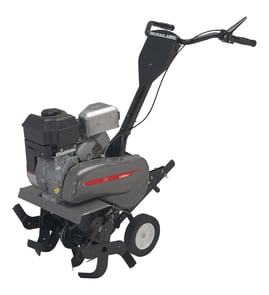
A rear-tine tiller is better for breaking new ground and deep tilling in hard, compacted soil; a front-tine tiller like the MTD 21B-34M8793 is better for smaller gardens, lighter soil, and tight spaces because it’s typically lighter and more maneuverable.
| Feature | Front-tine tiller (like MTD 21B-34M8793) | Rear-tine tiller |
|---|---|---|
| Best for | Established beds, mixing compost, light cultivation | New ground, heavy clay, deep tilling |
| Handling | More maneuverable; can pull or “bounce” in hard soil | More stable; tracks straighter |
| Effort | More operator effort in tough soil | Less operator effort for heavy work |
| Cost/weight | Typically lower cost and lighter | Typically higher cost and heavier |
- Easier turning in tight rows and around landscaping
- A lighter machine that’s simpler to load and store
- Shallow to moderate tilling for seasonal garden prep
- A good fit for already-worked soil (not packed or rocky)
- Better traction and control in hard or compacted soil
- More consistent depth for deeper tilling
- Easier straight-line passes over larger areas
- Less “fighting the machine” when the tines hit resistance
Matching the tiller style to your soil and garden size saves time and wear. If you’re maintaining a front-tine tiller for reliable performance, keeping up with basic tune-up parts like an air filter and spark plug helps it start easier and hold power under load.
- Kmart lawn & garden equipment engine air filter 951-10794 to help prevent power loss from restricted airflow
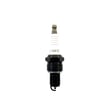
- Lawn & garden equipment engine spark plug 951-10292 to address hard starting and misfiring
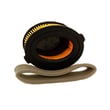
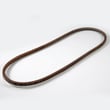
- MTD tiller drive belt 954-0428 if the tines or drive feel weak or slip under load
Last updated: February 2026
What would cause a tiller to not start?
On an MTD model 21B-34M8793 front tine gas tiller, a no-start is usually caused by a fuel delivery problem (old fuel, clogged carburetor, blocked tank vent), weak ignition spark, or restricted airflow. Start with the quick checks below, then move to spark and fuel tests.
- Confirm the engine stop switch is in RUN and the spark plug wire is firmly seated.
- Set the choke for a cold start; open it gradually as the engine tries to fire.
- Drain and refill with fresh gasoline; stale fuel is the most common seasonal issue.
- Check the air intake; a dirty filter can choke the engine. Replace the kmart lawn & garden equipment engine air filter 951-10794.
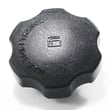
- Make sure the fuel cap vent is working; a plugged vent can starve fuel. Try loosening the cap briefly, then replace the lawn & garden equipment engine fuel tank cap 951-12535 if venting is suspect.
- Check spark: Remove the plug, reconnect the wire, ground the plug threads to bare metal, and crank. You should see a strong blue spark.
- Check fuel: If spark is good, remove the air filter and add a tiny amount of fuel into the intake; if it fires briefly, the issue is fuel delivery (carburetor, fuel line, tank vent).
| What you see | Most likely cause | What to do next |
|---|---|---|
| No spark | Spark plug, ignition coil, kill switch wiring | Replace the lawn & garden equipment engine spark plug 951-10292 first; then inspect ignition wiring/coil |
| Fires on prime then dies | Carburetor clogged, fuel line restriction, tank vent issue | Clean carburetor, check fuel flow, verify cap vent |
| Starts only with choke fully on | Lean condition (air leak, clogged main jet) | Clean carburetor thoroughly; check gaskets and intake |
Repeated cranking with a restricted air filter or stale fuel can foul the spark plug and flood the engine, turning a simple tune-up into a longer no-start. A clean air filter, good spark, and proper fuel venting prevent most starting problems.
Last updated: February 2026
Why won't my tiller tines turn?
If your MTD 21B-34M8793 front tine gas tiller engine runs but the tines will not turn, the problem is usually in the drive system: a worn or broken drive belt, a loose or damaged forward drive control cable, or a jammed tine assembly. Start with the belt and cable checks first.
- Shut the engine off and let all moving parts stop; disconnect the spark plug wire.
- Clear packed soil, string, or roots from the tine area and tine shaft.
- Squeeze the forward drive lever and confirm the cable actually moves the engagement arm.
- Look for a belt that is off the pulleys, glazed, cracked, or stretched.
- Check for missing hardware or looseness at the tines (wobble can indicate a fastener issue).
| Symptom | Most likely cause | What we recommend |
|---|---|---|
| Engine runs, tines never move | Drive belt slipping or broken | Inspect and replace the tiller drive belt 954-0428 if worn, stretched, or off the pulleys |
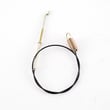
| Tines move only while you hold lever “just right” | Cable out of adjustment, stretched, or damaged | Inspect the tiller forward drive control cable 946-0918 for kinks, fraying, or slack |
| Tines try to move, then stop under load | Belt slipping, debris jam, or tine hardware binding | Clean debris; recheck belt condition and tine tightness |
| Tines are hard to turn by hand (engine off) | Debris jam or tine assembly binding | Remove obstruction; inspect tine bolts and tine rotation |
When the tines do not turn, the tiller is not transferring power from the engine to the tine shaft. Continuing to run it with a slipping belt or misadjusted cable can accelerate belt wear and reduce tilling performance.
These are common wear items for tine-drive complaints on this model:
Last updated: February 2026