Owner’s manual


How do I tell what model my Kenmore dryer is?
Your Kenmore dryer’s model number is printed on the model and serial number plate on the dryer. On model 11076812695, you’ll use that full model number (plus the serial number) anytime you look up parts, check operating instructions, or schedule service; see the 11076812695 owner's manual.
Where to look for the model number
Most Kenmore dryers place the model and serial number plate in one of these common spots:
- Along the door opening (on the cabinet frame when you open the door)
- On the inside face of the dryer door
- On the back panel of the dryer cabinet
- On a side panel near the rear edge
What the model and serial number are used for
Having the exact model number helps us match the correct diagrams and replacement parts for your specific gas dryer.
- Ordering the right replacement parts (belt, door switch, igniter, timer)
- Confirming the correct installation and venting requirements
- Following the correct operating instructions and cycle features
- Troubleshooting symptoms using model-correct procedures
Quick part examples (why the exact model matters)
Here are a few common parts that must match the model to fit and work correctly:
| Symptom | Common part to check | Example part for this model |
|---|---|---|
| Drum not turning | Drum belt | Drum belt 341241 |
| Dryer will not start when door closes | Door switch | Dryer door switch WP3406107 |
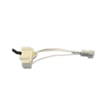
| No heat (gas model) | Ignition components | Igniter 279311 |
Why it matters
Kenmore model numbers identify the exact design version of your dryer. Even small differences between similar-looking Kenmore dryers can change the correct drum belt length, door switch style, or gas burner parts, so using the full model number prevents wrong-part returns and repeat repairs.
Last updated: February 2026
How do I know if my Kenmore dryer thermal fuse is blown?
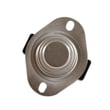
If your Kenmore gas dryer model 11076812695 suddenly will not run at all, a blown thermal fuse is a common cause. The sure way to confirm is a continuity test with a multimeter; a good fuse shows continuity, and a blown fuse reads open (no continuity). See the 11076812695 owner's manual for safety and access guidance.
Common symptoms that point to a blown thermal fuse
A thermal fuse is a one-time safety device; when it opens, it can shut the dryer down to reduce overheating risk.
- Dryer will not start (no motor run)
- Dryer starts but shuts off quickly (overheat condition may be present)
- No heat complaints often trace to airflow problems (even if the fuse is not the only issue)
- Weak airflow at the outside exhaust hood
- Lint screen and venting show heavy lint buildup
How we recommend testing it (quick checklist)
- Unplug the dryer (and shut off gas if you are opening the cabinet).
- Access the thermal fuse (location varies by design; commonly on the blower housing or exhaust duct).
- Pull the wires off the fuse terminals.
- Set your multimeter to continuity or ohms.
- Test across the fuse terminals:
- Continuity present: fuse is good
- No continuity (open): fuse is blown and must be replaced
Fix the root cause first: airflow restriction
Your manual troubleshooting guidance for poor drying points straight to airflow checks: clean the lint screen, verify strong exhaust airflow, and correct crushed or kinked venting. Restricted venting is the most common reason a thermal fuse blows.
- Clean the lint screen and lint chute
- Inspect the vent hose for kinks or crushing
- Clear lint from the entire vent run to the outside hood
- Confirm the outside hood flap opens fully during operation
- Replace plastic or flimsy venting with rigid or heavy metal venting when needed
Airflow check (what “good” looks like)
| Check | What you should see |
|---|---|
| Outside exhaust hood | Strong, steady airflow |
| Vent hose behind dryer | Not crushed or kinked |
| Drying performance | Normal dry times, no overheating |
Why it matters
A thermal fuse that blows is usually a symptom, not just a failed part. Restoring proper venting helps prevent repeat failures, improves dry times, and reduces nuisance shutdowns.
Last updated: February 2026
How long do Kenmore dryers last?
Kenmore dryers typically last 15 years. Your Kenmore gas dryer model 11076812695 can reach or exceed that lifespan when airflow stays strong (clean venting and lint control), loads are not consistently overloaded, and wear parts are replaced before they cause bigger damage.
Typical lifespan and what affects it
Most dryers reach their full service life when heat, airflow, and drum support stay in good shape.
- Usage frequency: daily drying shortens life compared to a few loads per week
- Overloading: strains the drive motor, drum rollers, and belt
- Vent restriction: increases heat stress and cycle time
- Lint buildup: the manual notes lint can collect inside the dryer and should be removed periodically by a qualified service person
- Routine care: cleaning the lint screen every load and keeping the exhaust path clear
For model-specific operating and venting guidance, follow the owner's manual.
Maintenance schedule we recommend
Use this as a practical baseline for a Kenmore gas dryer like 11076812695.
| Task | How often | Why it matters |
|---|---|---|
| Clean lint screen | Every load | Maintains airflow and drying performance |
| Check vent for crushing or kinks | Monthly | Prevents long dry times and overheating |
| Clean accumulated lint from exhaust vent | As needed (at least yearly for many homes) | Reduces restriction and improves efficiency |
| Internal lint removal (inside cabinet) | Every 2 to 3 years | Helps reduce fire risk and wear from heat buildup |
Parts that commonly limit dryer life
Replacing wear parts early often prevents secondary damage (noise, poor tumbling, or no-start issues).
- Drum belt 341241 if the drum will not turn or you hear slipping/squealing
- Drum support components (rollers, shafts, bearings) if you hear thumping or rumbling
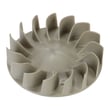
- Dryer blower wheel WP694089 if airflow is weak or the dryer is noisy
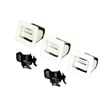
- Dryer door switch WP3406107 if the dryer stops when the door is shut or will not start
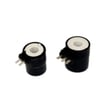
- Dryer valve coil kit 279834 or igniter 279311 if the gas burner will not ignite consistently
Why it matters
A dryer that takes longer to dry is not just inconvenient; it runs hotter and longer, which accelerates wear on the motor, belt, and gas ignition components. Keeping venting correct and replacing worn parts helps your dryer reach the full 15-year lifespan.
Last updated: February 2026