Owner’s manual


How big is the Samsung WA40J3000AW capacity?
The Samsung WA40J3000AW is a top-load washer in the 4.0 to 4.2 cu. ft. class (large-capacity). For the exact rated capacity for your specific WA40J3000AW version, we recommend confirming it in the WA40J3000AW owner's manual.
What “capacity” means on this washer
Capacity is the tub volume rating (in cubic feet). It helps you choose load size and cycle settings, but it does not mean you should pack the basket full.
Practical load-size guidelines
- Fill loosely to about 3/4 of the basket for everyday mixed loads.
- Keep bulky items (comforters, jackets) to 1 or 2 pieces so they can circulate.
- Leave at least a hand’s width of space at the top for proper turnover.
- If the washer bangs or walks, reduce the load and redistribute.
- Use the correct water level or cycle option for the fabric type.
Quick reference: typical capacity classes
| Capacity class | Typical range (cu. ft.) | Best for |
|---|---|---|
| Compact | 2.0 to 3.4 | Small households, tight spaces |
| Large | 3.5 to 4.4 | Most families, weekly laundry |
| Extra-large | 4.5+ | King bedding, big households |
Why it matters
Using the right load size improves cleaning, reduces out-of-balance spinning, and helps protect key components such as the suspension system and drive parts.
Last updated: February 2026
What are the most common issues with WA40J3000AW?
The most common issues we see with the Samsung WA40J3000AW top-load washer are draining problems, out-of-balance shaking during spin, and lid lock or fill-related faults. Many of these symptoms trace back to a clogged drain path, worn suspension, or a failing lid lock. Use the WA40J3000AW owner's manual for model-specific checks and cycle guidance.
Common symptoms and what they usually point to
- Won’t drain or drains slowly: clogged coin trap, kinked drain hose, weak drain pump
- Loud banging or walking: worn suspension rods, uneven leveling legs, overloaded tub
- Won’t spin: lid lock not engaging, out-of-balance condition, drive belt or clutch wear
- Won’t fill or fills slowly: inlet valve restriction, closed supply valves, clogged hose screens
- Stops mid-cycle or acts “dead”: control board or wiring connection issue
Parts that commonly solve these problems
If troubleshooting confirms a failed component, these are frequent replacements for this model:
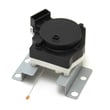
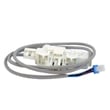
- Washer lid lock assembly DC34-00025E (won’t spin, lid won’t lock)
- Samsung washer suspension rod DC97-05280W (excessive vibration, off-balance)
- Washer drain pump assembly DC97-17366J (no drain, humming pump)
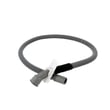
- Samsung washer drain hose DC97-18682C (leaks, siphoning, poor drain flow)
- Washer water inlet valve assembly DC62-00311F (no fill, slow fill)
Quick checks we recommend before replacing parts
- Confirm the washer is level; adjust feet if it rocks
- Reduce load size and avoid washing single heavy items alone
- Check the drain hose for kinks and correct standpipe height
- Clean out the pump coin trap area if accessible and remove debris
- Power reset: unplug for 2 minutes, then retry a Drain/Spin cycle
Error codes: fast way to narrow it down
| What you notice | Likely system | Best next step |
|---|---|---|
| Won’t drain, water left in tub | Drain | Check coin trap, hose, then pump |
| Shakes hard during spin | Suspension/leveling | Level washer, inspect suspension rods |
| Won’t spin with lid closed | Lid lock | Verify lid lock engagement |
For code definitions and targeted fixes, use Samsung top load washer error codes.
Why it matters
Drain, balance, and lid lock issues can stop the washer from spinning safely; addressing them early prevents repeated off-balance events, wet loads, and extra wear on the drive system.
Last updated: March 2026
What is the average lifespan of WA40J3000AW?
The average lifespan of the Samsung WA40J3000AW top-load washer is about 10 to 14 years with normal household use. Routine maintenance, correct loading, and keeping the washer level help you reach the high end of that range.
What affects lifespan most
- Load size and balance: frequent overloading and chronic out-of-balance spinning shortens tub, suspension, and drive life.
- Leveling and floor stability: an unlevel washer increases vibration and wear.
- Drain performance: slow draining strains the pump and can leave water that causes odor.
- Water quality: hard water and heavy detergent use can cause buildup.
- Usage pattern: multiple loads daily wears components faster than a few loads weekly.
Maintenance that extends life
- Run periodic cleaning cycles and wipe the lid and tub ring area dry.
- Use the right amount of HE detergent; too much causes residue and odors.
- Keep the washer properly leveled; recheck after moving or flooring changes.
- Check pockets to reduce coins and debris reaching the drain path.
- If you notice new vibration, address it early (redistribute loads, verify leveling).
Parts that commonly wear as a washer ages
These are typical wear areas on many Samsung top-load washers; replacing them when symptoms appear often restores performance.
| Symptom | Common wear area | Example part on this model page |
|---|---|---|
| Won’t drain or drains slowly | Drain pump, drain hose, coin trap | Washer pump coin trap DC61-03385A |
| Excessive shaking or banging | Suspension components | Suspension rods/springs (model-specific options vary) |
| Lid won’t lock or won’t start | Lid lock system | Lid lock assembly |
Why it matters
Knowing the expected 10 to 14 year lifespan helps you decide whether to maintain and repair (often cost-effective for a solid tub and motor) or plan for replacement if multiple major systems are failing.
For model-specific care and maintenance intervals, follow the WA40J3000AW owner’s manual.
Last updated: March 2026