Owner’s manual
 Error Codes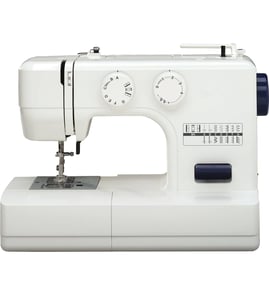

What is a mechanical sewing machine?
A mechanical sewing machine (like the Kenmore 1581792280) uses physical knobs, dials, and levers to control stitch selection, stitch length, stitch width, and thread tension instead of a digital screen and buttons. You set adjustments manually and the machine sews based on those settings.
How a mechanical machine is controlled
On the Kenmore 1581792280, the manual describes traditional, hands-on controls and components you operate directly.
- Stitch selector and indicator for choosing the stitch pattern
- Stitch length control for longer or shorter stitches
- Stitch width control for zigzag and decorative stitch width
- Thread tension control to balance top and bobbin thread
- Hand wheel and push-pull clutch for manual positioning and engaging stitching
Mechanical vs computerized: quick comparison
| Feature | Mechanical sewing machine | Computerized sewing machine |
|---|---|---|
| Controls | Dials, knobs, levers | Buttons or touchscreen |
| Stitch selection | Manual selector | Digital menu selection |
| Adjustments | You set length, width, tension by hand | Often presets plus fine-tuning |
| Troubleshooting | Usually mechanical checks (threading, tension, needle) | May include on-screen error codes |
Why it matters
Mechanical machines are straightforward to operate and troubleshoot because most issues trace back to setup and adjustments (needle condition, threading, tension, and fabric handling). For example, the Kenmore manual emphasizes using the correct needle, testing stitches on scrap fabric, and guiding fabric gently without pulling.
Where to find the exact controls for this model
For the names and locations of the controls (stitch selector, tension control, hand wheel/clutch, power switch, foot control), use the owner's manual.
Last updated: February 2026
Who made Kenmore 1581792280 sewing machines?
Kenmore model 158.1792280 sewing machines were built for Sears by a Japanese contract manufacturer; the 158 prefix is the key identifier that points to Japanese production rather than Sears making the machine itself. For model-specific identification details, use the nomenclature plate information in the owner's manual.
How to confirm the maker on your exact machine
We recommend checking the machine’s identification markings so you can match parts and accessories correctly.
- Look for the nomenclature plate on the back of the machine (the manual’s back-view diagram calls this out).
- Record the full model number 158.1792280 and any additional codes stamped on the plate.
- Check the electric cord receptacle area and rear housing for additional labels.
- Compare your machine’s external features (hand wheel, spool pins, free-arm configuration) to the manual diagrams.
- Keep the model number handy when shopping for sewing machine parts and accessories.
What “158” means (and what it does not)
The Kenmore name is the brand on the machine; the actual manufacturing was done by a supplier.
| Marking you see | What it typically indicates | Why it matters |
|---|---|---|
| Kenmore branding | Sears retail brand | Helps you find the correct Kenmore documentation |
| 158.xxxxxxx model prefix | Japanese-built Kenmore mechanical sewing machine family | Useful for narrowing compatible parts and feet |
| Nomenclature plate codes | Factory and production identifiers | Best clue for the exact build source |
Why it matters
Knowing the contract manufacturer is less important than correctly identifying the exact model and configuration. That is what determines compatibility for items like presser feet, bobbins, light bulbs, and maintenance supplies (oil and lint brush), and it helps avoid ordering the wrong sewing machine parts.
Last updated: February 2026
What is the most trouble-free sewing machine?
The most trouble-free sewing machines are simple, well-maintained mechanical models with solid build quality; fewer electronics usually means fewer failure points. Your Kenmore 1581792280 is designed for “many years of troublefree sewing” with minimal maintenance when it’s threaded correctly, tension is set properly, and you use the right needle for the fabric (see the owner's manual).
What “trouble-free” really means
A machine is low-hassle when it consistently forms stitches, feeds fabric smoothly, and runs at an even speed without frequent re-threading or tension chasing.
Common traits of trouble-free machines:
- Mechanical controls (stitch selector, stitch length, tension dial) instead of heavy electronics
- Easy access for cleaning lint around the bobbin area and feed dogs
- Stable presser foot pressure and consistent fabric feeding
- Uses standard needles and common bobbins
- Clear setup steps for threading and tension adjustments
How to keep a mechanical machine trouble-free (including Kenmore 1581792280)
The biggest “reliability upgrade” is correct setup and gentle operation.
Do these every time you sew:
- Install a straight, sharp needle; change it often, especially with synthetic blends
- Match needle size to thread and fabric
- Thread the top path and bobbin case exactly as shown
- Start at a medium speed, then sew at a slow, even speed for control
- Guide fabric gently; do not pull or push against the feeding action
- Test stitches on doubled scrap fabric and adjust tension before starting your project
Quick troubleshooting map (when a machine feels “finicky”)
Many “unreliable machine” complaints are setup issues you can correct in minutes.
| Symptom | Most common cause | First fix to try |
|---|---|---|
| Irregular stitches | Wrong needle size or incorrect threading | Re-thread; install correct needle |
| Skipping stitches | Bent/blunt needle or needle not fully seated | Replace needle; re-seat needle |
| Needle thread breaks | Tension too tight or started too fast | Reduce top tension; start slower |
| Fabric not feeding well | Fabric being forced or pressure too light | Guide gently; check presser foot pressure |
Why it matters
A “trouble-free” sewing machine is usually the one that matches your projects and is set up correctly. Mechanical machines like the Kenmore 1581792280 reward good habits: correct threading, correct needle choice, and steady speed reduce jams, breakage, and skipped stitches.
Last updated: February 2026
Is it worth repairing an old sewing machine?
Yes, repairing an older Kenmore sewing machine like model 1581792280 is usually worth it when the machine is mechanically solid and the issue is maintenance-related (threading, tension, lint buildup, needle damage). These machines are built to deliver many years of reliable sewing with routine care; use the owner's manual to match symptoms to the right fix.
When repair is the smart choice
We recommend repairing when you see problems that are typically low-cost to correct:
- Irregular stitches caused by incorrect needle size, incorrect threading, or loose top tension
- Bobbin thread breaking due to incorrect bobbin-case threading or lint in the bobbin area
- Fabric not feeding because presser foot pressure is too light or a feed cover plate is installed
- Jamming from thread caught in the shuttle area or a damaged needle
- “Won’t sew” issues tied to the hand wheel clutch position, power cord connection, or the power/light switch
Quick decision checklist (cost vs. value)
Use this to decide before paying for service.
| What you’re seeing | Most common cause | Typical next step |
|---|---|---|
| Stitches look uneven | Threading, tension, needle/fabric mismatch | Rethread, adjust tension, replace needle |
| Machine jams or locks | Thread in shuttle, lint buildup, bent needle plate | Clean shuttle area, replace needle |
| Fabric will not move | Presser foot pressure, feed cover plate | Increase pressure, remove cover plate |
| Motor runs but needle barely moves | Binding from lint or old lubricant | Clean, then lubricate per manual |
Why it matters
Many “repair” complaints on mechanical sewing machines are really setup or maintenance issues. The manual’s performance-problem checks (threading, tension, presser foot pressure, shuttle cleaning) often restore normal stitching without major parts replacement.
If you decide to repair it
Start with the highest-impact basics first:
- Install a new, straight needle in the correct size for your fabric and thread
- Rethread the top thread path and bobbin case exactly as shown
- Clean lint from the bobbin case and shuttle area
- Verify presser foot pressure is set correctly for the fabric
- Avoid pulling or pushing fabric; guide it gently so the feed dogs can work
Last updated: February 2026
How do I know what model my Kenmore sewing machine is?
Your Kenmore sewing machine’s model number is printed on the machine’s nomenclature plate. For Kenmore model 1581792280, the owner's manual states the model number is shown on the nomenclature plate on the front side of the bedplate; copy that number exactly when matching parts and instructions.
Where to find the model number on model 1581792280
Start with the confirmed location, then check nearby label areas if the plate is hard to see.
- Look on the front side of the bedplate for the nomenclature plate
- Wipe the bedplate area clean so the printing or stamping is readable
- Use a flashlight held at an angle to highlight worn characters
- Write the number down exactly as shown (no added spaces)
What to record
Keeping these details together prevents ordering the wrong sewing machine parts or using the wrong threading and tension setup.
| What to record | Example | Why it matters |
|---|---|---|
| Model number | 1581792280 | Matches the correct parts diagrams and adjustments |
| Brand | Kenmore | Helps narrow results when searching repair help |
| Plate location | Front side of bedplate | Makes it easy to re-check later |
Why it matters
Kenmore sewing machines can look similar across multiple series; the model number is what ties your machine to the correct maintenance steps (like oiling points), accessories guidance, and troubleshooting procedures.
For troubleshooting topics after you identify the model, our DIY resources can also help; see sewing machine common questions.
Last updated: February 2026