 Installation guide
 Owner’s manual
 Error Codes


What is the lifespan of a GE dryer?
A GE electric dryer like model GTDP300EM0WS typically lasts 13 years with normal household use. Consistent airflow (clean lint screen and correct 4-inch venting) and avoiding overheating are the biggest factors that help you reach that lifespan.
What affects dryer lifespan the most
- Vent restriction (long runs, crushed duct, too many elbows) increases heat and run time.
- Lint buildup inside the cabinet or duct reduces airflow and stresses the heater and thermostats.
- Overloading strains the drive system (belt, idler pulley, motor).
- High heat cycles all the time accelerate wear on heating and safety components.
- Worn drum support parts can cause noise and extra drag on the motor.
Quick maintenance checklist (best ROI)
- Clean the lint screen every load.
- Inspect and clean the vent path regularly; use 4-inch (102 mm) metal ducting and keep the run within the installation limits shown in the GTDP300EM0WS installation guide.
- Keep the dryer area above 50°F so controls operate correctly.
- Stop using the dryer and correct airflow issues if loads suddenly take longer to dry.
Common wear items and what they usually mean
| Symptom | Likely wear area | Typical fix |
|---|---|---|
| Squealing, scraping, thumping | Drum support and seals | Replace glides/pads/felt as needed |
| Drum not turning, motor runs | Drive system | Replace belt and inspect idler |
| Long dry times, very hot cabinet | Airflow/venting | Clean ducting, verify vent length |
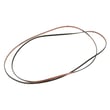
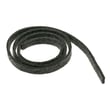
If the drum stops turning or slips, the dryer drum belt WE03X29897 is a common replacement on this model.
Why it matters
A dryer can run for years past its “average” life, but restricted exhaust and overheating shorten life quickly. The installation instructions for GTDP300EM0WS specifically call out correct duct diameter and length because poor venting increases drying time, energy cost, lint buildup, and reduces dryer life.
Last updated: January 2026
What brand of dryer has the least problems?
No single dryer brand is always “least problems,” but reliability tends to be strongest when the dryer is installed correctly, vented with proper 4-inch ducting, and maintained regularly. For your GE electric dryer model GTDP300EM0WS, following the venting and electrical requirements in the GTDP300EM0WS installation guide helps prevent many common failures.
What actually drives “least problems” most often
We see the fewest repeat issues when these basics are done right:
- Use 4-inch (102 mm) exhaust ducting and keep the vent run within the recommended length
- Avoid flexible plastic ducting; it collapses and traps lint
- Keep airflow strong (clean lint screen every load; clean venting periodically)
- Use the correct dedicated electrical circuit (no extension cords or adapter plugs)
- Install the dryer in a space above 50°F so controls operate properly
Brand reliability: what to compare before you buy
Instead of focusing only on brand, compare these factors across GE, Whirlpool, LG, Maytag, and others:
| What to compare | Why it matters | What “good” looks like |
|---|---|---|
| Venting design and access | Poor airflow causes long dry times and overheating | Straight, short vent path; easy-to-clean lint path |
| Parts availability | Faster, cheaper repairs | Common wear parts readily available |
| Serviceability | Lower labor cost | Simple cabinet access; clear diagnostics |
| Controls and features | More features can mean more failure points | Features you will actually use |
Why it matters for GTDP300EM0WS owners
Most “problem” calls on electric dryers trace back to airflow restrictions or incorrect installation, not the brand name. Long or crushed venting increases drying time, energy cost, lint buildup, and can shorten dryer life. The installation guide also calls out using the proper 4-inch duct diameter and avoiding extension cords.
Quick maintenance checklist (keeps any brand reliable)
- Clean the lint screen every load
- Check the outside vent hood damper opens and closes freely
- Inspect and clean the full vent run if dry times increase
- Listen for squealing or thumping; worn drum support parts can be addressed early
- If the drum stops turning, inspect common drive components like the dryer drum belt WE03X29897 and idler pulley
Last updated: January 2026
What is the most common problem with a GE dryer?
On the GE GTDP300EM0WS electric dryer, the most common issue we see is a no-heat or low-heat complaint. In many cases, the root cause is restricted airflow (lint buildup or a crushed vent) or a failed heating component such as the heating element.
Quick checks first (most likely fixes)
- Clean the lint screen completely and wash off any fabric-softener film.
- Inspect the vent path for kinks, crushed sections, or heavy lint buildup.
- Confirm the exhaust duct is 4 inches (102 mm) in diameter and routed correctly.
- Replace any flexible plastic ducting; it can collapse and trap lint.
- Make sure the dryer is installed where temperatures stay above 50°F so controls operate normally.
Airflow vs. heat failure: how to tell
Restricted airflow can feel like a “bad heater” because clothes stay damp even when the dryer runs.
| Symptom | Most common cause | What to do next |
|---|---|---|
| Runs but no heat at all | Heating circuit issue (element/thermostat) or power supply problem | Check power, then test heating components per GTDP300EM0WS installation guide |
| Heats but takes too long | Vent restriction or lint blockage | Follow vent length limits and clean venting per GTDP300EM0WS installation guide |
| Overheats or shuts off | Airflow restriction causing high temps | Clear venting; inspect thermostats if problem continues |
Parts that commonly relate to “no heat” complaints
If airflow and power are good, heating components are the next place we look.
- Mica unit WE11M10001 (heating element assembly)
- Dryer high-limit thermostat WE4M137
- Dryer safety thermostat WE4M160
- Dryer operating thermostat WE4M216 (or dryer operating thermostat WE4M181 depending on the circuit)
Why it matters
A clogged or incorrectly installed vent increases drying time and energy cost, can shorten dryer life, and allows lint to accumulate in the exhaust system. The installation instructions also specify avoiding flexible plastic ducting because it can collapse and trap lint.
Last updated: January 2026
How to tell if a GE dryer motor is bad?
On a GE GTDP300EM0WS electric dryer, a bad drive motor typically shows up as the dryer not starting, starting then stopping, a humming sound with no drum movement, or a burning smell. Confirm the basics first (power, door switch, belt) before replacing the motor.
Quick symptoms that point to a failing motor
- Dryer hums but the drum does not turn (motor tries to run but cannot)
- Dryer starts, then stops after a short time (motor overheats or has an internal fault)
- Drum turns by hand easily but will not run under power
- Burning odor or hot motor area (unplug immediately)
- Loud buzzing or grinding from the motor area
What to check before blaming the motor
These checks rule out common look-alikes that can mimic a bad motor.
- Power supply: This dryer needs a dedicated 120/240V (or 120/208V), 30-amp circuit; a partial power loss can let the motor hum but not run.
- Door switch: If the door switch is open electrically, the motor will not run.
- Drum belt and idler: A broken belt or seized idler can prevent drum movement and overload the motor. Consider the dryer drum belt WE03X29897 and the idler pulley WE12X83.
- Airflow and lint buildup: Restricted venting can overheat the dryer and contribute to shutdowns.
Basic diagnostic flow (safe, practical)
| What you observe | Most likely cause | What we recommend next |
|---|---|---|
| No sound at all when starting | Door switch, timer, power issue | Verify door switch operation; confirm correct supply voltage |
| Hums but will not turn | Motor, belt/idler jam, drum drag | Check belt and idler movement; inspect drum glides |
| Starts then stops | Motor overheating, vent restriction | Check venting and lint; inspect motor for overheating |
| Drum hard to turn by hand | Drum glides/felt, seized pulley, foreign object | Inspect drum support parts and pulley |
Why it matters
A weak or failing motor can overheat wiring and controls. The installation instructions also stress correct electrical supply and safe servicing practices (label wires before disconnecting) to prevent dangerous miswiring.
For model-specific electrical requirements and safety notes, follow the GTDP300EM0WS installation guide.
Last updated: January 2026





