Owner’s manual
 Error Codes


What is the life expectancy of an LG fridge?
LG refrigerators typically last 10 to 15 years with normal household use. For your LG LRFC25750WW bottom-mount refrigerator, regular cleaning, good airflow around the cabinet, and prompt repair of cooling or defrost problems are the biggest factors that help you reach (or exceed) that range; see the owner's manual for care guidance.
Typical lifespan and what affects it
Most refrigerators wear out due to cooling-system strain, airflow restrictions, or defrost-related ice buildup. These factors have the biggest impact on life expectancy:
- Condenser coil cleanliness (dirty coils make the compressor work harder)
- Door gasket condition and door closing habits (warm air leaks increase run time)
- Stable temperatures (avoid frequent warm-ups from overloading or long door openings)
- Defrost performance (ice buildup can reduce airflow and cooling)
- Water leaks and moisture (can lead to corrosion, ice buildup, or fan issues)
Maintenance schedule we recommend
A simple routine prevents many “early failure” problems.
| Task | How often | Why it matters |
|---|---|---|
| Clean condenser coils | Every 6 to 12 months | Reduces compressor workload and heat buildup |
| Check/clean door gaskets | Every 3 to 6 months | Prevents warm air leaks and frost |
| Verify temps (fresh food/freezer) | Monthly | Catches cooling issues early |
| Inspect for puddles or ice buildup | Monthly | Helps spot drain or defrost problems |
Parts that commonly relate to longevity issues
If you are troubleshooting warm temperatures, frost, or unusual noises on LRFC25750WW, these model-matched parts are often involved:
- Refrigerator defrost sensor assembly 6615JB2005H (defrost sensing and control)
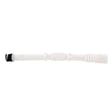
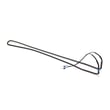
- LG refrigerator defrost heater 5300JK1005D (melts frost off the evaporator)
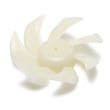
- Refrigerator evaporator fan motor 4681JB1029H (moves cold air through the compartments)
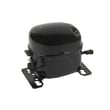
- Refrigerator compressor TCA35931726 (drives the sealed cooling system)
Why it matters
A refrigerator that runs longer and hotter than it should (often from dirty coils, air leaks, or frost buildup) puts extra stress on the compressor and fans. Keeping airflow and defrost working correctly is the most practical way to extend service life.
Last updated: February 2026
What is the most common problem with the LG refrigerator?
For the LG LRFC25750WW refrigerator, the most common customer-reported issue is a cooling problem (fresh food or freezer not staying cold). In many cases, the root cause is airflow or defrost-related (ice buildup, fan issues, dirty coils, doors not sealing), not a single “one-part” failure; our owner's manual troubleshooting section helps you narrow it down fast.
What we check first (fast triage)
- Confirm the temperature settings are correct and the unit is not set to OFF.
- Make sure doors close fully and nothing is holding them open.
- Check for blocked air vents inside the compartments (food packages can block airflow).
- Listen for the evaporator fan; a failed fan can cause warm temperatures.
- Inspect for frost or ice buildup on the back wall of the freezer (defrost issue clue).
- Clean condenser coils; dirty coils can make the compressor run too much and cool poorly.
Common causes and the parts that often relate
If you are troubleshooting “not cooling” on this model, these parts commonly come into play:
| Symptom | Most likely system | Example part on this model |
|---|---|---|
| Warm temps, fan noise missing | Air circulation | Refrigerator evaporator fan motor 4681JB1029H |
| Heavy frost, warming over time | Defrost system | Refrigerator defrost heater 5300JK1005D |
| Temps swing, odd readings | Temperature sensing | Refrigerator temperature sensor 6500JB2002X |
| Clicking, hard starting | Start components | (Check the compressor start relay listing for this model) |
Noises vs. real problems
Some sounds are normal on modern LG refrigerators, including clicking during defrost cycles, gurgling from refrigerant flow, and fan airflow sounds. A “not cooling” complaint matters most when temperatures rise above safe ranges.
Why it matters
Cooling problems can lead to food spoilage and can also make the compressor run longer than normal. Catching airflow restrictions, dirty coils, or early defrost symptoms quickly often prevents bigger repairs.
Helpful DIY guidance
- Use our how to fix your evaporator cooling fan guide to diagnose fan-related cooling issues.
- If you see error codes, use LG bottom freezer refrigerator error codes to match the code to likely causes.
Last updated: February 2026
How to shim the back of a refrigerator?
For the LG LRFC25750WW, we level the refrigerator using the front leveling screws and a slight rear tilt so the doors close and seal properly; shimming the back is usually unnecessary. If your floor dips, use a solid shim only under the rear rollers or rear support points, never under the cabinet panels.
Recommended method for LRFC25750WW (leveling screws first)
We follow the leveling procedure in the owner's manual. In most homes, this corrects wobble and improves door closing without adding shims.
- Move the refrigerator into its final position.
- Have someone push gently against the top front to reduce weight on the adjusters.
- Turn the front leveling screw clockwise to raise that side.
- Turn the front leveling screw counterclockwise to lower that side.
- Recheck door closing; if needed, tilt slightly more to the rear by turning both front leveling screws clockwise the same amount.
- Reinstall the base grille when finished.
If you still need to shim the back
Use shims only to correct a floor low spot that the front leveling screws cannot compensate for.
- Use hard plastic or composite shims (they do not compress like wood).
- Place the shim under the rear roller area or the rear support point, not under thin sheet metal.
- Add shims in small increments; keep the refrigerator stable with no rocking.
- Maintain a slight rear tilt so the fresh food doors seal when you push them closed.
- Avoid stacking many shims; one solid shim is better than several thin ones.
Quick checks (what “level” should look like)
| Check | What you want | What to adjust |
|---|---|---|
| Refrigerator rocks | No rocking | Front leveling screws; then minimal rear shim if needed |
| Doors hard to close | Slight rear tilt | Turn both front leveling screws clockwise equally |
| Door gaps uneven | Even spacing | Door alignment using snap rings (per manual) |
Why it matters
A stable, slightly rear-tilted refrigerator helps the door gaskets seal, keeps temperatures consistent, and reduces frost and moisture issues caused by doors not closing fully.
Last updated: February 2026
Is it worth repairing an LG refrigerator?
Yes, repairing an LG LRFC25750WW is worth it when the failure is a moderate-cost, non sealed-system part and the refrigerator is otherwise in good condition; it’s usually not worth it when the compressor or sealed system is involved because the repair is high-cost and requires specialized service. Use the owner's manual to match symptoms to the right system.
Quick repair vs. replace checklist
- Repair when cooling is mostly OK but performance is off (sensor or defrost issue)
- Repair when you have airflow problems (fan motor or fan blade)
- Repair when water or ice issues are isolated (inlet valve or tubing)
- Replace when the unit won’t cool and sealed-system work is likely
- Replace when the compressor is failing or repeatedly won’t start
Common cost-effective fixes on LRFC25750WW
| Symptom | Likely area | Example part for this model |
|---|---|---|
| Warm sections, weak airflow | Evaporator fan | Refrigerator evaporator fan motor 4681JB1029H |
| Frost buildup, warming | Defrost system | Refrigerator defrost sensor assembly 6615JB2005H |
| No water/ice or slow fill | Water supply | Refrigerator water inlet valve 5220JB2010A |
Why it matters
Bottom-mount refrigerators rely on steady airflow and defrost control. Fixing a single failed component (fan, sensor, valve) often restores normal temperatures and prevents food spoilage; sealed-system repairs change the value equation because labor and complexity drive total cost.
What we recommend next
- Use the manual’s troubleshooting guide to identify the symptom pattern
- Clean condenser coils and confirm doors seal tightly
- If cooling is inconsistent, listen for the evaporator fan and check for heavy frost
Last updated: February 2026
What are the most commonly replaced parts in a refrigerator?
For the LG LRFC25750WW refrigerator, the most commonly replaced parts are the ones that affect cooling, defrosting, door closing, and water dispensing. In real-world repairs, that usually means sensors and defrost parts, fan components, water inlet parts, and high-wear door and storage items (bins, shelves). See the owner's manual for your model’s feature locations and basic care guidance.
Common parts that get replaced most often
These are the parts we see replaced frequently because they wear out, get damaged, or cause noticeable symptoms:
- Temperature sensors (thermistors): cause warm temps, temperature swings, or odd cycling
- Defrost system parts: prevent frost buildup that blocks airflow
- Evaporator fan parts: fix weak airflow, warm fridge section, or unusual noise
- Water system parts: address no water, slow fill, or ice maker fill issues
- Door hardware and switches: help with lights, door alarms, and proper sealing
- Storage components: shelves and bins crack or break from daily use
Model-matched examples for LG LRFC25750WW
Here are common “symptom to part” matches using parts available for this model:
| Symptom you notice | Commonly involved part | Example part for this model |
|---|---|---|
| Frost buildup, warm temps, fan noise changes | Defrost heater or defrost sensor | LG refrigerator defrost heater 5300JK1005D or refrigerator defrost sensor assembly 6615JB2005H |
| Fridge warm but freezer cold, rattling or no airflow | Evaporator fan motor or fan blade | Refrigerator evaporator fan motor 4681JB1029H or refrigerator evaporator fan blade 5901JA1021A |
| No water at dispenser, ice maker not filling | Water inlet valve or water tubing | Refrigerator water inlet valve 5220JB2010A or refrigerator water tubing 5210JA3005W |
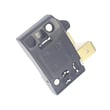
| Interior light issues or unit thinks door is open | Door switch | LG refrigerator door switch 6600JB1010A |
Why it matters
Replacing the right “high-failure” part first saves time and prevents repeat problems. For example, frost buildup from a defrost failure can restrict airflow and make the compressor run longer than normal, which the manual notes can happen when conditions make the refrigerator work harder.
Quick checks before you order a part
We recommend these basic checks to narrow the problem:
- Confirm temperature settings and give the unit 24 hours to stabilize after changes
- Check doors close fully and nothing is blocking bins or drawers
- Listen for the evaporator fan (often louder when the door is closed)
- Look for frost on the rear freezer panel (a defrost clue)
- For water issues, verify the household supply valve is fully open and the line is not kinked
Last updated: February 2026