Owner’s manual
 Error Codes



Why is my LG steam dryer not drying?
When an LG DLGX7601WE steam dryer runs but clothes stay damp, the most common cause is restricted airflow (lint screen, exhaust duct, or outside vent hood). Start with simple airflow checks, then move to heat and sensor-related items if drying is still poor.
- Clean the lint screen completely and confirm it seats correctly; a clogged or damaged screen can block airflow.
- Check the exhaust path behind the dryer for kinks, crushing, or loose connections.
- Verify strong airflow at the outside vent hood while the dryer is running.
- Avoid overloading; tightly packed loads dry slowly even when the dryer is working normally.
- Use the right cycle; sensor cycles can end early if the load is too small or mixed fabrics.
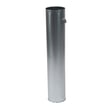
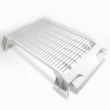
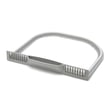
If your lint screen is torn, warped, or won’t fit snugly, replace it with the correct part for this model: dryer lint screen by LG 5231EL1001C.
Poor venting is the #1 reason a steam dryer won’t dry well. For DLGX7601WE, LG specifies 4-inch metal ducting and recommends keeping the run short with as few elbows as possible; long runs and multiple elbows increase dry time.
| What you notice | Likely issue | What to do |
|---|---|---|
| Clothes warm but still damp | Vent restriction | Clean/shorten duct, clear vent hood |
| Dryer very hot, shuts off early | Overheating from blocked airflow | Clean lint/ducting, recheck airflow |
| Long dry times on every cycle | Duct too long or crushed | Re-route duct, replace crushed sections |
For model-specific venting guidance and the built-in installation test (duct check), follow the DLGX7601WE owner’s manual.
DLGX7601WE is a gas dryer model family; if the drum tumbles but there’s little or no heat, common causes include ignition or flame-sensing problems.
- Confirm the gas shutoff valve is fully open.
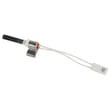
- If you suspect an ignition issue, the igniter is a common wear item: LG dryer burner igniter 5318EL3001A.
- If the dryer heats briefly then stops heating, a sensor or thermostat issue is possible.
Restricted airflow can make drying take much longer and can also cause overheating that trips safety controls. Fixing airflow first usually restores normal drying and helps protect key components like thermostats and the burner system.
Last updated: January 2026
Are LG gas dryers any good?
LG gas dryers are generally a solid choice for most households, and the LG DLGX7601WE is built around features that support strong everyday performance (large-capacity drying, sensor cycles, and duct airflow monitoring). Like any brand, results depend heavily on correct venting, maintenance, and load size.
We typically see customers happiest with LG gas dryers when they want fast drying, a roomy drum, and modern cycle options.
- Large capacity helps reduce the number of loads
- Sensor dry cycles can prevent overdrying and shrinkage
- Gas heat usually dries efficiently and recovers heat quickly
- LG Flow Sense-style airflow monitoring can help flag vent restrictions
- Steam features on steam models can help with wrinkles and refresh cycles
For model-specific operating tips and cycle guidance, use the DLGX7601WE owner’s manual.
Many “not impressed” reviews trace back to setup or upkeep issues rather than a defective dryer.
- Clothes still damp on sensor cycles: clean lint screen, avoid overloading, use the right dryness level
- Long dry times: check vent length, crushed ducting, or lint buildup
- More lint than expected: confirm the lint screen seats correctly and the grille area is clear
- Heat issues: airflow problems can trip safety thermostats or limit burner performance
If you’re troubleshooting airflow or lint capture, the dryer lint screen by LG 5231EL1001C is the correct lint screen part listing for this model.
| If you want… | LG gas dryer is usually a good fit when… |
|---|---|
| Faster drying | Your vent run is short and unobstructed |
| Lower fabric wear | You use sensor cycles and don’t overload |
| Fewer service calls | You keep the venting and lint path clean |
| Quiet operation | The dryer is level and installed correctly |
Gas dryers can perform extremely well, but they are more sensitive to venting and airflow than many people expect. Keeping the lint screen and exhaust ducting clean protects drying performance and helps prevent repeat overheating shutdowns.
Last updated: January 2026
How do you reset the flow sensor on a LG dryer?
On the LG DLGX7601WE dryer, the Flow Sense (duct blockage) alert usually clears only after you fix the airflow restriction; then you can do a simple power reset by unplugging the dryer for about 5 minutes and restoring power. Flow Sense is an airflow warning, not a “bad sensor” reset.
- Turn the dryer off.
- Unplug the dryer (or switch the breaker off).
- Wait about 5 minutes.
- Restore power and run a short timed cycle to confirm airflow is improved.
For model-specific venting and duct-check guidance, follow the DLGX7601WE owner’s manual.
We recommend working from the dryer outward:
- Clean the lint screen before every load; wash it with warm water if you see residue.
- Check the lint screen housing for lint buildup.
- Inspect the flexible transition duct behind the dryer for kinks, crushing, or lint.
- Confirm the outside vent hood opens fully while the dryer runs.
- If the run is long or has multiple elbows, clean the full vent line to the exterior.
If your lint screen is torn, warped, or not fitting correctly, replace it with the exact dryer lint screen by LG 5231EL1001C.
| Check | What you want | What it suggests if not OK |
|---|---|---|
| Outside vent flap | Opens strongly | Blocked vent or crushed duct |
| Dry times | Normal for load size | Restriction or lint buildup |
| Lint screen | Clear, water passes through | Screen coated with residue |
Flow Sense helps protect drying performance and helps reduce overheating risk by warning you when exhaust airflow is restricted. Clearing the restriction typically restores normal dry times and prevents repeat alerts.
For code meanings and related LG dryer alerts, use our LG dryer error codes reference.
Last updated: January 2026
What is the most common problem with LG dryers?
For the LG DLGX7601WE dryer, the most common issues we see are long dry times or no heat (usually from restricted venting or a failed heat-safety component) and noise/vibration (often from worn drum support parts). Start with airflow checks, then inspect likely wear parts.
- Clean the lint filter before every load; a clogged screen is the #1 airflow killer.
- Confirm strong airflow at the outside vent hood while the dryer runs.
- Inspect the vent run for kinks, crushed sections, lint buildup, or too many elbows.
- Avoid overloading; heavy loads can mimic “not heating” by limiting tumbling.
- Review venting rules and duct length limits in the DLGX7601WE owner’s manual.
Restricted exhaust is the most common root cause because it overheats the dryer and can trip safety controls.
Common parts involved on this model include:
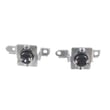
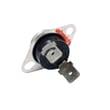
- Dryer high-limit thermostat AGM30045804 (opens if temperatures get too high)
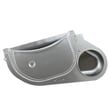
- Dryer blower thermostat 6931EL3002M (helps regulate temperature at the blower housing)
- Dryer blower wheel 5835EL1002A (moves air; damage or looseness reduces airflow)
| Symptom | Most likely cause | What we do first |
|---|---|---|
| Clothes take too long to dry | Vent restriction | Clean/shorten vent, verify airflow |
| No heat on a gas model | Ignition or safety device | Check igniter/sensor/thermostats |
| Dryer shuts off mid-cycle | Overheating from poor airflow | Venting inspection, thermostat checks |
Noise is usually mechanical wear from drum support components.
- Thumping/rumbling: inspect drum rollers like the dryer drum support roller 4581EL2002L
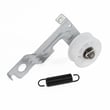
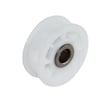
- Squealing: inspect the idler pulley like the LG dryer idler pulley 4561EL3002A
- Slapping sound: inspect the belt like the LG dryer drum belt 4400EL2001F
Airflow problems can cause poor drying, overheating, and repeated shutdowns; worn rollers, belts, or pulleys can quickly escalate from “annoying noise” to a drum that won’t turn.
Last updated: January 2026