Error Codes




Is it worth repairing a Kenmore washing machine?
Yes, repairing a Kenmore washer is worth it when the fix restores reliable washing and spinning for less than the cost of replacing the machine. For Kenmore model 11092274800, many common failures are caused by serviceable wear parts, so a targeted repair often makes financial sense.
Quick way to decide (cost vs. value)
Use this checklist before you buy parts:
- Confirm the symptom: no spin, no drain, leaking, loud during spin, or weak agitation.
- Estimate total repair cost: parts + tools + labor (if you are not DIY).
- Compare to replacement: if repair is under about 50% of a comparable new washer, repair is the better value.
- Consider age and condition: rusted cabinet, recurring leaks, or a noisy transmission shifts the decision toward replacement.
- Start with the most common wear items: they are inexpensive and frequently solve the problem.
Common repairs that are usually worth it on 11092274800
These are typical high-success, lower-cost fixes:
| Symptom | Likely part area | Example part for this model |
|---|---|---|
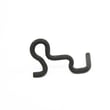
| Agitator moves poorly or “ratchets” | Agitator drive | Agitator dog 80040 |
| Washer won’t agitate or spin but motor runs | Drive coupling | Coupling 285753A |
| Won’t drain or leaves water in tub | Drain pump | Water pump WP3363394 |
| Spins weakly or slips under load | Clutch/drive | Clutch 285785 |
When replacement makes more sense
Replacement is the better call when you see one or more of these:
- Major gearcase or internal drive damage (grinding, metal shavings, persistent oil leak)
- Multiple failures at once (for example: drain issue plus spin issue plus leak)
- Severe tub or basket damage (cracks, heavy corrosion)
- Repeated out-of-balance events that persist after suspension checks
Why it matters
A washer repair is only “worth it” when it fixes the root cause. Replacing the correct drive, drain, or agitation part restores performance and prevents repeat breakdowns, saving money and downtime.
Last updated: February 2026
How to identify a Kenmore washer model?
To identify your Kenmore washer model, we look for the model number tag on the machine itself; it is typically under the lid on top-load washers or around the door opening on front-load washers. For Kenmore models, it often starts with 110 (for example, 11092274800), and using the exact model number ensures you get the right parts.
Where to find the model number on a Kenmore washer
Check these common locations first:
- Under the washer lid, along the rim of the tub opening (top-load)
- Around the door opening or on the door frame (front-load)
- On the back panel near the power cord
- Along the side of the cabinet near the control console
- Inside the service panel area (some designs)
What the model number looks like (and what to write down)
For Kenmore, the model number is usually a long number string; many start with 110.
| What to capture | Example | Why it matters |
|---|---|---|
| Full model number | 11092274800 | Matches the correct parts diagrams and fit |
| Full serial number | Varies | Helps date the unit and confirm production run |
| Brand name | Kenmore | Prevents mix-ups with similar-looking machines |
Tips to avoid ordering the wrong part
Once you find the tag, copy it exactly (including all digits). Then use that model number when selecting parts like a coupling, water pump, or lid switch.
- Take a clear photo of the tag before you start shopping
- Match every digit; one wrong number can point to a different washer
- If the tag is worn, use a flashlight and read it at an angle
- Use the model number to narrow parts such as the coupling 285753A
- If you are troubleshooting by symptoms, use a Kenmore washer error code resource such as Kenmore 110 vmw top load washer error codes
Why it matters
Kenmore washer parts are model-specific; even small design changes affect fit, wiring, and mounting. Using the exact model number (like 11092274800) helps us guide you to the correct replacement parts the first time.
Last updated: February 2026
What is the average lifespan of a Kenmore washer?
A Kenmore washer like model 11092274800 typically lasts 10 to 15 years with normal household use. Consistent care (proper loading, good drainage, and timely part replacement) keeps performance strong and helps you reach the upper end of that range.
What affects washer lifespan most
- Overloading (stresses the drive system and suspension)
- Unbalanced loads (increases wear on the basket support and springs)
- Hard water and detergent buildup (can affect valves and draining)
- Drain issues (coins, lint, or small items can strain the pump)
- Delayed repairs after new noises, leaks, or weak spin
Common wear items on this Kenmore top-load platform
These parts often show symptoms before the washer reaches end-of-life:
| Symptom | Common cause | Example part for this model |
|---|---|---|
| Won’t drain or drains slowly | Pump obstruction or worn pump | Water pump WP3363394 |
| Won’t agitate, loud grinding | Worn agitator drive components | Agitator dog 80040 |
| Won’t spin or has burning rubber smell | Worn motor-to-transmission coupler | Coupling 285753A |
| Weak spin, clothes still wet | Worn clutch or drive components | Clutch 285785 |
How we recommend extending the life of your washer
- Keep loads below the top of the basket and distribute items evenly.
- Use the right amount of HE detergent (even in many top-load situations, too much suds is harmful).
- Check pockets and use a garment bag for small items to reduce pump clogs.
- If you notice slow draining, address it early; a struggling pump can overheat.
- If agitation gets weak, replace small drive parts early (for example, agitator dog 80040) to prevent bigger wear.
Why it matters
A washer usually does not fail all at once; it gives warning signs (noise, leaks, poor spin, slow drain). Catching those early often turns a major repair into a straightforward part replacement and helps your Kenmore 11092274800 reach its full service life.
Last updated: February 2026
How many cubic feet is a Kenmore Model 11092274800 washer?
Kenmore washer model 11092274800 is a Whirlpool-built, top-load direct-drive style washer; most washers in this design family are about 3.2 to 3.5 cubic feet. That range is the practical capacity you can expect for everyday loads, even when the exact published tub volume is not listed.
Quick capacity guidance for 11092274800
Use these real-world load guidelines to match the tub size you have:
- 3.2 cu. ft.: typical full basket is about 12 to 14 bath towels
- 3.5 cu. ft.: typical full basket is about 14 to 16 bath towels
- Bulky items (comforters, jackets) take more space; wash 1 large bulky item at a time
- For best cleaning, fill the basket loosely; do not pack items down
- If clothes float above the waterline, reduce the load size
How to estimate your washer’s capacity at home
If you want a closer estimate without a spec sheet, we use a simple measurement method:
- Measure the inside diameter of the wash basket (in inches).
- Measure the usable depth from the bottom of the basket to the top row of holes (in inches).
- Estimate cubic feet using the cylinder formula.
| What you measure | What it tells you | Why it helps |
|---|---|---|
| Basket diameter | Overall tub size | Larger diameter usually means higher capacity |
| Usable depth | How much you can load safely | Prevents overfilling and poor agitation |
| Your estimate | Approximate cu. ft. | Helps compare to modern washer sizes |
Why it matters
Capacity affects cleaning and wear: an overloaded top-load washer can slip during spin, leave detergent residue, and strain drive components like the coupling 285753A and clutch 285785.
Related troubleshooting help
If you are asking because the washer is shaking, going out of balance, or not spinning out loads well, we use these guides often:
Last updated: February 2026