 Installation guide
 Owner’s manual







What is the most common problem with a GE dishwasher?
The most common problems we see with GE dishwashers like model CDT725SSF4SS are drainage issues (clogged filter or drain path), won’t start complaints (door not fully latched), and leaks caused by hose or gasket problems. Start by checking the drain path and confirming the door latches firmly.
Most common issues and what to check first
- Not draining: food debris in the sump area, a kinked drain hose, or a restriction where the drain connects to the sink or disposal.
- Won’t start: the door is not fully closed or the latch is not engaging.
- Leaks: tub gasket wear, loose clamps, or a drain hose routing problem.
- Poor cleaning: spray arm holes blocked or a dirty circulation filter.
- Poor drying: heater circuit issue or cycle settings that reduce heat.
Quick checks you can do safely
Turn off power at the breaker before touching wiring or internal components.
- Confirm the dishwasher is square and level and the door opens and closes smoothly.
- Make sure the drain hose is not pinched behind the unit (a common cause of slow drain and leaks).
- Inspect the door closing action; if it feels loose or pops open, check the latch.
- Look for water in the base area after a cycle; that points to a leak source worth tracing.
Parts that commonly solve these symptoms
If basic checks point to a failed component, these are frequent fixes for this model family:
| Symptom | Common suspect part | Example part for this model |
|---|---|---|
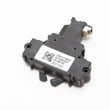
| Won’t start or stops mid-cycle | Door latch not locking | GE dishwasher door latch lock WD21X10490 |
| Not draining | Drain path restriction or weak pump | Dishwasher drain pump (if needed) |
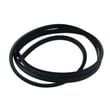
| Leaking at the door | Worn or mis-seated gasket | Dishwasher tub gasket |
Why it matters
Drain restrictions and a weak door latch can trigger repeat cycle failures, standing water, odors, and even leak events. Catching the root cause early helps protect the circulation pump, heater, and electronic control.
Helpful references
- Use the CDT725SSF4SS installation guide to confirm proper leveling, door alignment, and that the drain hose is not pinched.
- If you’re seeing a code or flashing lights, use GE electronic dishwasher error codes to narrow the failure to a specific circuit or component.
Last updated: January 2026
What's the lifespan of a GE dishwasher?
A GE dishwasher typically lasts 10 to 12 years. For the GE CDT725SSF4SS, consistent cleaning, correct water temperature, and avoiding installation issues that strain hoses and wiring help you reach that normal service life; see the CDT725SSF4SS installation guide for setup checks that prevent early wear.
Typical lifespan and what changes it
Most homeowners see these ranges:
- 8 to 10 years with heavy daily use, hard water, or frequent overloading
- 10 to 12 years with normal use and routine maintenance
- 12 to 15 years with lighter use, good water quality, and prompt repairs
Maintenance that extends life
These habits reduce stress on the circulation system, heater, and seals:
- Clean the interior and filter area regularly; remove food debris that can restrict flow
- Run hot water at the sink before starting a cycle so the dishwasher fills with hotter water
- Use the right detergent amount for your water hardness to prevent buildup
- Inspect for small leaks early; replace worn seals before they damage other components
- Keep the unit level and stable so the door seals evenly and the racks track correctly
Installation and water conditions that matter
The installation guide calls out conditions that directly affect long-term reliability:
| Item to verify | Why it matters for lifespan |
|---|---|
| Dishwasher is square and level; all 4 legs on the floor | Prevents door misalignment, leaks, and rack wear |
| Drain hose not pinched | Prevents poor draining and pump strain |
| Hot water is about 120°F to 140°F | Improves cleaning and reduces the need for extended heating |
| Supply pressure is 20 to 120 PSI | Helps proper filling and reduces valve issues |
Why it matters
A dishwasher usually fails early from avoidable stress: restricted draining, chronic leaks, low incoming water temperature, or misalignment that damages the door seal. Fixing those basics protects high-wear parts like the pump, heater, and door latch.
Last updated: January 2026
How to do a hard reset on a GE dishwasher?
For the GE CDT725SSF4SS dishwasher, the most reliable hard reset is a full power reset: turn the dishwasher’s power off at the breaker (or unplug it) for about 1 to 5 minutes, then restore power and cancel any stuck cycle by pressing and holding Start for 3 seconds. See the CDT725SSF4SS installation guide for the model’s documented 3-second Start cancel/drain behavior.
Hard reset steps (recommended)
- Turn OFF power at the household breaker (or unplug the dishwasher).
- Wait 1 to 5 minutes to let the control fully power down.
- Restore power.
- Press and hold Start for 3 seconds to cancel the current cycle and force a drain.
- Close the door firmly so it fully latches, then start a normal cycle.
What “Start for 3 seconds” does on this model
On the CDT725SSF4SS, holding Start for 3 seconds cancels the cycle and the unit begins to drain. This is the fastest way to clear a stuck cycle after restoring power.
| Action | What it’s for | What you should see |
|---|---|---|
| Power off 1 to 5 minutes | Clears a glitchy control state | Display resets, buttons respond normally |
| Hold Start 3 seconds | Cancels cycle and drains | Drain pump runs, water leaves tub |
| Restart a cycle | Confirms normal operation | Fill begins, wash motor runs |
If it still will not start after a reset
- Confirm the door closes and latches; a weak latch can prevent starting.
- Check that water supply is on and the dishwasher can fill.
- If it cancels but will not drain, check for a kinked drain hose or a blocked air gap/disposer connection.
- Look for an error code and match it to the GE electronic dishwasher error codes list.
- If the door will not latch consistently, inspect the GE dishwasher door latch lock WD21X10490.
Why it matters
A power reset clears temporary control board glitches, and the 3-second Start cancel/drain step clears a stuck cycle state. Together, they solve most “has power but won’t run” situations without replacing parts.
Last updated: January 2026





