Installation guide
 Owner’s manual
 Error Codes



What is the lifespan of a GE dryer?
A GE dryer typically lasts about 10 years. With consistent care (good airflow, clean lint handling, and avoiding overloads), many dryers reach 10 to 15 years. For your GE GTDX100GM1WW gas dryer, proper venting and safe installation practices also help protect key components.
Typical lifespan and what affects it
Most dryer life comes down to heat management, airflow, and mechanical wear.
- Vent restriction (crushed duct, long runs, lint buildup) increases heat stress
- Overloading strains the drum belt, idler pulley, and motor
- Skipping lint screen cleaning reduces airflow and drying performance
- Frequent high-heat cycles accelerate wear on thermostats and seals
- Poor installation can lead to performance problems and early failures
Maintenance that extends dryer life
Use these habits to get the most years out of a GE gas dryer.
- Clean the lint screen every load; replace a damaged screen if needed
- Inspect and clean the venting path regularly; keep the outside hood clear
- Use 4-inch rigid metal ducting where possible for better airflow
- Do not overload; let items tumble freely for even drying
- Listen for squealing or thumping; address wear parts early
Common wear parts and what they usually cause
| Symptom | Common wear area | Example part for GTDX100GM1WW |
|---|---|---|
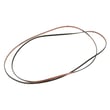
| Drum not turning, motor runs | Belt or idler system | Dryer drum belt WE03X29897 |
| Squealing, scraping, rough drum movement | Glides, felt, bearings | Drum glides or felt seal |
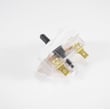
| Dryer will not start | Door switch or start switch | Start or door switch |
Why it matters
A dryer that is clean, properly vented, and not overloaded runs cooler and with less strain. That reduces shutdowns, improves dry times, and helps expensive components (like the drive motor and gas heat system) last longer.
For model-specific care and venting requirements, follow the GTDX100GM1WW installation guide.
Last updated: January 2026
What is the most common problem with a GE dryer?
For the GE GTDX100GM1WW gas dryer, the most common problems we see are no heat or long dry times caused by restricted venting, and a drum that will not turn due to a worn drive system (belt, idler, or glides). Start with airflow and simple safety switches first.
Quick checks that fix many “GE dryer problems”
- Clean the lint screen before every load.
- Check the outside vent hood for a strong, steady airflow.
- Inspect the entire vent run for kinks, crushing, lint buildup, or long duct length.
- Confirm the door closes firmly; a bad door switch can prevent starting.
- If the motor runs but the drum does not turn, inspect the belt and idler.
Most common symptoms and likely causes
| Symptom | Most common cause | What to check first |
|---|---|---|
| Dryer runs but no heat | Airflow restriction or heat circuit issue | Venting, then thermostats/ignition parts |
| Takes too long to dry | Venting problem | Duct type, length, and blockage |
| Drum will not turn | Worn belt or idler system | Belt condition and idler pulley |
| Will not start | Door switch or start switch | Door switch, then start switch |
Parts that commonly solve “won’t start” or “won’t tumble”
If basic checks point to a failed part, these are common wear items for this model:
- Dryer drum belt WE03X29897 (broken or stretched belt)
- Idler pulley WE12X83 (squealing, poor belt tension)
- Dryer door switch WE4M415 (dryer will not run when door is closed)
- Dryer push-to-start switch WE4M416 (no response when pressing start)
Why venting matters (especially on a gas dryer)
Your GTDX100GM1WW must be exhausted outdoors, and proper venting directly affects drying time, energy use, and safe operation. The installation instructions specify 4-inch ducting and warn that overly long venting increases drying time and cost. Use the venting guidance in the GTDX100GM1WW installation guide to confirm duct type and length.
Last updated: January 2026
What is the most dependable gas dryer?
The most dependable gas dryers are typically simple, well-vented models with proven mechanical designs; brands that often earn strong reliability reputations include Speed Queen (commercial-style durability) and mainstream lines from GE, Maytag, and Whirlpool. For your GE GTDX100GM1WW, long-term dependability is strongly tied to correct installation and venting per the GTDX100GM1WW installation guide.
What “dependable” usually means for a gas dryer
Dependability is a mix of fewer breakdowns, consistent heat, and easy-to-service parts.
- Consistent ignition and stable burner operation
- Strong airflow (fast drying without overheating)
- Durable drum support system (glides, belt, idler)
- Readily available replacement parts
- Straightforward controls (fewer electronics to fail)
How to choose a dependable gas dryer (what we look for)
When comparing models, we recommend prioritizing these factors:
| What to compare | More dependable choice | Why it helps |
|---|---|---|
| Venting requirements | 4-inch rigid metal duct to outdoors | Better airflow, less lint restriction |
| Feature set | Fewer “smart” features | Fewer failure points |
| Serviceability | Common parts and simple access | Faster, cheaper repairs |
| Heat consistency | Stable burner ignition | More even drying |
Why installation and venting matter as much as the brand
Even a top-rated gas dryer can seem “unreliable” if it is starved for airflow or installed incorrectly. For the GTDX100GM1WW, proper exhausting to the outdoors and using the right duct material are key reliability basics.
- Exhaust the dryer to the outdoors (not into an attic, crawlspace, or chimney)
- Use 4-inch rigid metal ducting where possible
- Avoid flexible plastic ducting
- Keep the vent run short with minimal elbows
- Clean lint from the vent system regularly
Parts that commonly affect “reliability” symptoms
If a dryer tumbles poorly, squeals, or stops mid-cycle, these wear items are common culprits:
- Dryer drum belt WE03X29897 (broken or slipping belt)
- Idler pulley WE12X83 (noise, poor belt tension)
- Dryer door switch WE4M415 (dryer will not run when door switch fails)
Why it matters
A dependable gas dryer is not only about brand reputation; it is about safe, consistent heat and airflow. Correct venting helps prevent long dry times, overheating, and repeated part failures that make a dryer feel “unreliable.”
Last updated: January 2026
How to tell if a GE dryer motor is bad?
On a GE GTDX100GM1WW gas dryer, a bad drive motor typically shows up as the drum not turning, the dryer humming then stopping, or the motor overheating and shutting down. A proper diagnosis includes checking the motor circuit for continuity and confirming the blower wheel and drum turn freely per the wiring diagram.
Quick symptoms that point to a failing motor
- Dryer hums when you press Start but the drum does not turn
- Drum turns by hand, but the dryer will not keep running
- Dryer starts, then stops after a few seconds (often with a hot, “overheated” motor smell)
- Motor runs but makes grinding or squealing noises (often from worn drum support parts that overload the motor)
- Breaker trips or the dryer shuts off repeatedly during a cycle
What we check before condemning the motor
- Door switch and start circuit: A failed door switch can mimic a motor problem; verify the door switch operates correctly.
- Drum and blower for binding: With power off, rotate the drum by hand. If it is stiff, the motor may be fine but overloaded.
- Belt and idler system: A seized idler or broken belt can prevent rotation and cause humming.
- Vent restriction and overheating: Poor airflow can overheat the motor and trigger shutdown.
Common parts that can overload the motor
| What you notice | Likely wear item | Example part for this model |
|---|---|---|
| Drum will not turn, belt loose/broken | Belt | Dryer drum belt WE03X29897 |
| Squeal, thump, or drag at the front | Glides/pads | Dryer drum front glide pad WE03X37318 |
| Belt slips, tension feels weak/noisy | Idler pulley | Idler pulley WE12X83 |
| Motor runs but drum does not | Drive motor | Dryer drive motor WE17X22217 |
How to test the motor safely (high level)
- Unplug the dryer and shut off the gas supply before opening panels.
- Use the wiring diagram in the control console to identify the motor circuit and test points.
- Check for continuity through the motor windings and any internal protector per the diagram.
For model-specific access steps and safety notes, follow the GTDX100GM1WW installation guide.
Why it matters
Replacing a motor is one of the higher-cost dryer repairs. Confirming the drum, belt, idler pulley, and airflow are all correct prevents replacing the motor when the real issue is drag, a seized support part, or a venting problem.
Last updated: January 2026