 Installation guide
 Owner’s manual




What is the average lifespan of a GE dishwasher?
A GE dishwasher typically lasts 10 to 12 years with normal household use. For your GE GSD4000K00BB, consistent cleaning, correct detergent use, and fixing small leaks or drain issues early are the biggest factors that help it reach (or beat) that average; see the GSD4000K00BB owner's manual for care and cleaning guidance.
Typical lifespan range (what we see most often)
Most GE dishwashers fall into this practical range:
- 8 to 10 years: heavy use, hard water buildup, infrequent cleaning
- 10 to 12 years: average use and basic maintenance
- 12 to 15 years: lighter use, good water quality, proactive maintenance
What shortens a dishwasher’s life fastest
These are the most common wear drivers on standard tub dishwashers like the GSD4000K00BB:
- Hard water scale that restricts the water valve and circulation
- Using the wrong detergent (creates excess suds and stress on seals)
- Chronic clogs that force repeated draining and refilling
- Running with damaged racks that shed coating and promote rust
- Small leaks left uncorrected (can damage wiring and components)
Maintenance that pays off the most
Use these habits to extend service life and keep wash performance steady:
- Use automatic dishwasher detergent only; avoid hand soap and “all-purpose” cleaners
- Keep detergent fresh and dry; load it only when you are ready to start a cycle
- Use rinse aid to improve drying and reduce spotting and film
- Periodically check that the kitchen sink and disposer drain well (helps prevent drain backups)
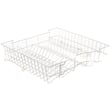
- Inspect racks and repair rust early; replace worn racks when coating fails
Repair vs. replace: a quick decision guide
| Dishwasher age | If it needs a repair | What we recommend |
|---|---|---|
| 0–5 years | Any single failure | Repair is usually worth it |
| 6–10 years | Pump, motor, or control issues | Compare repair cost to replacement |
| 11–15 years | Multiple symptoms or leaks | Replacement is usually the better value |
Why it matters
Knowing the expected lifespan helps you plan: if your GSD4000K00BB is already past the 10 to 12 year mark, recurring problems like poor cleaning, not draining, or leaks often point to multiple worn components rather than one simple fix.
Last updated: February 2026
How to check GE dishwasher model number?
On the GE dishwasher model GSD4000K00BB, the model number is printed on the rating label located on the tub wall just inside the door. Open the door fully and look along the inside tub edge or side wall near the door opening; the label lists both the model and serial numbers.
Where to look on GSD4000K00BB
Check these common label locations first:
- Tub wall just inside the door opening (most common)
- Left-side tub wall near the front frame
- Upper door frame area (inside edge, near the latch side)
- Along the inner lip of the tub opening
For the exact reference and how GE describes the label location, use the GSD4000K00BB owner's manual.
What the label looks like and what to copy
The rating label typically includes multiple fields. We recommend writing down:
- Model number (example format: GSD4000K00BB)
- Serial number
- Electrical ratings (helpful for service)
Quick checklist
- Copy the model number exactly, including all letters and numbers
- Take a clear photo of the label for parts ordering
- If the label is dirty, wipe it gently with a damp cloth and dry it
Why it matters for parts and troubleshooting
GE often uses similar-looking dishwashers with different internal components. Using the correct model number helps us match the right parts and diagrams for items like the pump, drain components, and racks.
| You need | Use the model number for | Example part type |
|---|---|---|
| Ordering replacement parts | Matching exact fit and revisions | Rack, pump, drain hose |
| Diagnosing problems | Finding model-specific troubleshooting steps | Won’t run, won’t drain |
| Checking error indicators | Using the correct GE guidance | Flashing lights, codes |
If you’re troubleshooting an electronic issue after you find the model number, our GE dishwasher error codes guide is a good next step.
Last updated: February 2026
Can I replace dishwasher parts myself?
Yes. For the GE GSD4000K00BB dishwasher, many common repairs are DIY-friendly if you shut off power first and follow the steps in the GSD4000K00BB owner's manual and the GSD4000K00BB installation guide. We recommend a technician for wiring, grounding, or complex leak and motor issues.
Good DIY repairs vs. repairs to leave to a pro
DIY is usually a good fit for mechanical, bolt-on parts and simple access-panel work.
- Good DIY: racks, spray arms, drain hose, toe panel, minor hardware
- More advanced: pump and motor work, circulation pump, drain solenoid diagnosis
- Pro recommended: electrical supply, grounding, hard-wiring, repeated breaker trips, persistent leaks
Examples of model-matched parts you can replace
| Repair goal | Example part for this model | Why it’s DIY-friendly |
|---|---|---|
| Replace a damaged rack | Dishwasher dishrack, lower WD28X31819 | Slides out and swaps with minimal tools |
| Fix poor wash coverage | Dishwasher spray arm WD22X10055 | Typically a direct replacement after removing the rack |
| Address a cracked or clogged drain line | Dishwasher drain hose WD24X10014 | Straightforward hose routing and clamp work |
Safety steps we follow before any repair
The manual stresses disconnecting power before maintenance and using proper installation practices.
- Turn off the dishwasher circuit breaker (turning the control off is not the same)
- Shut off the water supply valve under the sink
- Protect the floor; keep towels ready for residual water
- Take photos of wire and hose routing before removal
- Use the correct screw types when reinstalling the access panel and toekick
Why it matters
DIY repairs can save time and money, but dishwashers combine water, heat, and electricity. Using the correct shutdown steps and reassembly hardware helps prevent shocks, leaks, and cabinet damage.
Last updated: February 2026
What is the most common problem with GE dishwashers?
The most common problems we see on GE dishwashers like model GSD4000K00BB are not draining, not starting/controls not responding, and poor cleaning or drying. Many of these come down to a clogged drain path, a door latch issue, or detergent and rinse-aid setup.
Most common issues and what to check first
- Not draining: check for a blocked drain path and kinks; inspect the drain hose and sink/disposer connection.
- Won’t start or seems “dead”: confirm the door is fully latched; some GE models will not run if the latch is not seated.
- Poor cleaning: avoid overloading, load correctly, and use fresh dishwasher detergent.
- Spots/film and poor drying: keep rinse agent filled; GE notes rinse aid helps drying and reduces spots.
- Long cycle or odd behavior: reselect the cycle and make sure control pads are pressed within the expected timing.
Quick troubleshooting steps (in order)
- Reset power at the breaker for 1 minute, then try a normal cycle.
- Relatch the door firmly; if the control lights go off while selecting, touch a pad again or unlatch and relatch.
- Verify detergent and rinse aid: use automatic dishwasher detergent only; keep powder detergent dry and add it right before starting.
- Address hard water: if you have very hard water, use more detergent and keep rinse agent filled to reduce film.
- Check draining basics: look for a kinked or clogged hose; if the tub won’t empty, follow the steps in dishwasher not draining video.
Parts that commonly solve these symptoms on GSD4000K00BB
| Symptom | Common fix | Example part for this model |
|---|---|---|
| Won’t drain / water left in tub | Clear drain path; restore drain actuation | Dishwasher drain solenoid assembly WD21X10268 |
| Weak wash, noisy circulation | Restore wash pumping | GE dishwasher pump and motor assembly WD26X10051 |
| Leaks or slow draining due to restriction | Replace damaged or clogged hose | Dishwasher drain hose WD24X10014 |
Why it matters
Drain and start problems can stop the cycle completely, while detergent, rinse agent, and loading issues create the “it runs but doesn’t clean” complaint. Fixing the root cause prevents repeat clogs, flooding risk, and poor results.
For model-specific operating and detergent guidance, use the GSD4000K00BB owner's manual.
Last updated: February 2026





