 Owner’s manual




How many years should a GE washing machine last?
A GE washing machine lasts 12 years. Even though the model on this page is the GE GFD65ESSN0WW dryer, that 12-year lifespan is the standard expectation for modern residential GE washers with normal use and routine care.
Typical washer lifespan (what to expect)
Most GE washers fall into the same overall lifespan range; the differences are usually in what wears first.
| Washer type | Typical lifespan | Common wear items over time |
|---|---|---|
| Top-load washer | 12 years | Suspension components, drive parts, lid switch |
| Front-load washer | 12 years | Door boot, drain pump, bearings, shock absorbers |
What shortens washer life fastest
- Overloading or consistently washing heavy items (blankets, rugs)
- Running multiple loads per day, every day
- Using too much detergent (residue buildup, odors, extra strain)
- Hard water scale and mineral buildup
- Ignoring early symptoms (leaks, loud spin, burning smell)
Maintenance that helps you reach 12 years
- Keep loads below the top of the tub and distribute items evenly
- Use the correct detergent amount for load size and soil level
- Run a monthly cleaning cycle (or hot wash with washer cleaner)
- Leave the door or lid open after use to dry out the interior
- Replace fill hoses every 5 years to prevent failures
Why it matters
Washer failures that end a machine’s life are usually mechanical wear (bearings, suspension, drive) or water-related damage. Consistent loading habits and basic cleaning reduce stress on those systems and help you get the full 12 years.
For dryer-specific specs and care for GE GFD65ESSN0WW, use the GFD65ESSN0WW owner’s manual. If you need GE laundry replacement parts, you can order from the parts list for your exact model, or search by model number on Sears PartsDirect.
Last updated: February 2026
Is GFD65ESSN0WW stackable?
Yes. The GE dryer model GFD65ESSN0WW is designed to be stackable when you use the correct stacking kit and follow the stacking instructions in the GFD65ESSN0WW owner's manual.
What you need to stack it
To stack this dryer safely over a compatible washer, we recommend:
- Use the manufacturer-specified stacking kit for this dryer (kit number GFA28KITN)
- Stack the dryer on top of the washer (not the other way around)
- Level the washer first, then place the dryer on top
- Reverse door swing (optional) before stacking if you want the doors to open a different direction
Quick compatibility and setup checklist
Stacking works best when these basics are true:
- Washer is compatible with the stacking kit (same platform/series fit)
- Washer is level and in its final location before stacking
- Dryer is upright and lifted high enough to clear the washer control panel during placement
- Brackets are installed correctly and not overhanging washer edges
Bracket sizing (what the manual calls out)
The stacking kit instructions reference different bracket sets depending on washer and dryer widths.
| Washer width | Dryer width | Bracket set referenced in instructions |
|---|---|---|
| 32-inch | 32-inch | 32-inch brackets |
| 34-inch | 32-inch | 34-inch brackets |
Why it matters
Stacking a dryer without the correct brackets and hardware can cause vibration, noise, and shifting during operation. Using the specified kit and steps helps keep the dryer stable and protects the washer control panel during installation.
If you need replacement parts while you are servicing or moving the dryer, you can order model-specific parts from the list for GFD65ESSN0WW, or search by model on Sears PartsDirect.
Last updated: February 2026
What is the most common problem with a GE dryer?
For the GE GFD65ESSN0WW dryer, the most common problems we see are no heat or long dry times, and the #1 root cause is usually restricted airflow from lint buildup or improper/obstructed venting. The GFD65ESSN0WW owner's manual also calls out that a partially clogged exhaust can lengthen drying time and that the exhaust duct should be inspected and cleaned at least yearly.
Most common symptoms and what they usually mean
- Clothes take too long to dry: venting is kinked, crushed, too long, or clogged; outside damper stuck.
- Dryer tumbles but doesn’t heat: a house breaker/fuse issue (some electric dryers use 2 breakers/fuses), a heat setting issue, or a heating system problem.
- Dryer shakes or makes noise: leveling legs need adjustment, or drum support parts are wearing.
- Lint on clothes: lint screen is full, overloading, or poor sorting.
- Stops mid-cycle or seems to overheat: airflow restriction can trigger safety behavior.
Quick checks we recommend first (fast, high-impact)
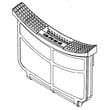
- Clean the lint screen before every load (the manual warns to never operate without the filter in place).
- Check airflow at the outside vent hood; strong, steady airflow matters.
- Inspect the transition duct behind the dryer; rigid metal is best, flexible metal is acceptable when needed, and avoid crushing/kinking.
- Confirm the correct cycle and heat setting for the fabric load.
- For electric heat issues, check that both breakers/fuses are on and working.
Common causes at a glance
| Symptom | Most common cause | What to do next |
|---|---|---|
| Long dry times | Obstructed/incorrect ducting | Clean/straighten duct; verify vent hood opens |
| Tumbles, no heat | Breaker/fuse issue or heat system fault | Reset/replace both breakers/fuses; then test heat |
| Squealing/thumping | Worn drum support or belt path parts | Inspect rollers, idler, and belt |
Parts that often fix noise or no-tumble complaints
If your GFD65ESSN0WW is noisy, thumping, or struggling to tumble, these are common wear items to inspect:
- Dryer drum support roller assembly WE03X10016
- Dryer idler assembly WE03X30657
- Dryer drum belt WE03X29704
Why it matters
Airflow problems do more than slow drying; they can also cause overheating symptoms, extra wear on components, and repeated performance issues. Keeping the lint screen and exhaust ducting clean is the most reliable way to prevent “no heat” and “takes too long” complaints.
You can order replacement parts for your GE GFD65ESSN0WW from the parts list for this model, or search by model number on Sears PartsDirect.
Last updated: February 2026





