Installation guide
 Owner’s manual
 Error Codes

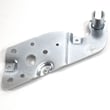
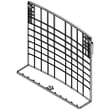
How to remove bottom grille on GE refrigerator?
On the GE GFE29HSDESS bottom-mount refrigerator, the bottom grille (base grille) typically comes off by releasing its retaining tabs or screws, then pulling the grille straight out from the front. Use the steps in the GFE29HSDESS installation guide to avoid damaging the grille clips or the lower trim.
Steps to remove the bottom grille
- Unplug the refrigerator or switch off power at the breaker (recommended for safety).
- Pull the refrigerator slightly forward if you need better access.
- Look along the top edge and corners of the grille for fasteners (often 1/4-inch hex-head screws) or snap tabs.
- If screws are present, remove them and set them aside.
- If it is a snap-in grille, grip both ends and pull straight outward; if it resists, press the release tabs while pulling.
- Lift the grille away and set it on a soft surface to prevent scratches.
What to check while the grille is off
Removing the grille is a good time to do quick maintenance that helps cooling performance.
- Vacuum dust from the toe-kick area and airflow openings.
- Check for a water puddle or dampness that could indicate a drain or water line issue.
- Listen for unusual fan noise that could point to an airflow problem.
- Confirm the refrigerator is level before reinstalling the grille.
| What you see | What it usually means | What to do next |
|---|---|---|
| Grille won’t budge | Tabs are still engaged or hidden screws are installed | Recheck corners and top edge for fasteners; release tabs while pulling |
| Grille comes off but won’t reinstall flush | Misaligned tabs or bent grille | Line up tabs first, then press evenly across the grille |
| Water under front | Possible defrost drain or water supply issue | Inspect water line and valve area; address leaks before reinstalling |
Why it matters
The bottom grille protects the lower components and helps direct airflow. If it is loose, blocked, or installed crooked, the refrigerator can run warmer, louder, or less efficiently.
Last updated: January 2026
What is the most common problem with a GE refrigerator?
The most common GE refrigerator problem is a cooling complaint: the fresh food section gets warm, the freezer temperature drifts, or temperatures swing. On the GE GFE29HSDESS, the most frequent causes are airflow restrictions (frost buildup), dirty condenser coils, or a failed cooling-system control component.
Most common causes to check first (in order)
- Condenser coils are dirty: reduced heat removal makes the compressor run longer and cooling suffers.
- Evaporator fan not running: weak or no airflow through the evaporator can warm the refrigerator section.
- Defrost system issue: frost on the evaporator blocks airflow and causes warm temps.
- Temperature sensing or control issue: a bad sensor or board can misread temps and run the system incorrectly.
- Door not sealing: warm air leaks in and creates moisture, frost, and temperature swings.
Quick troubleshooting steps for GFE29HSDESS
- Confirm settings and allow 24 hours after any adjustment.
- Clean the condenser area and verify the condenser fan runs when the compressor runs.
- Check for heavy frost on the rear freezer panel (a strong defrost clue).
- Listen for the evaporator fan; no fan noise often points to a fan motor problem.
- If you have a display error, use the GE refrigerator error codes guide to narrow the failure.
Common “symptom to likely cause” guide
| Symptom | Most likely cause | Common next step |
|---|---|---|
| Fresh food warm, freezer OK | Airflow problem (fan, frost) | Inspect evaporator area for frost and fan operation |
| Both sections warm | Condenser airflow, compressor/control | Clean coils; check fans; consider control diagnostics |
| Temps swing up and down | Sensor or control issue | Check sensor readings and wiring; run diagnostics |
| Ice maker slow or no ice | Water supply/filter/valve | Replace filter; check inlet valve and fill |
Parts that commonly relate to cooling complaints
If troubleshooting points to a failed component, these model-matched parts are often involved:
- Refrigerator temperature sensor WR55X10025 (temperature feedback to the control)
- Refrigerator evaporator fan motor WR60X25858 (moves cold air through the compartments)
- Refrigerator defrost heater WR51X10131 (melts frost off the evaporator)
- Refrigerator main board assembly WR55X46805 (controls compressor, fans, defrost)
Why it matters
Cooling problems can look “random,” but they usually trace back to airflow, defrost, or control feedback. Catching a dirty coil, a failing fan motor, or frost buildup early helps protect food and reduces compressor run time.
For model-specific operating details and diagnostics notes, follow the GFE29HSDESS owner's manual.
Last updated: January 2026
What is the average lifespan of GFE29HSDESS?
A GE bottom-mount refrigerator like model GFE29HSDESS typically lasts 13 years with normal use and routine maintenance. Keeping airflow clear, cleaning the condenser area, and fixing cooling or water issues early helps you reach that expected service life.
What affects lifespan most
- Condenser cleanliness and airflow (dust buildup makes the compressor work harder)
- Door seal habits (frequent warm-air leaks increase run time)
- Ice maker and water system upkeep (clogs and leaks create extra wear)
- Defrost performance (ice buildup can restrict airflow and strain fans)
- Stable temperatures (avoid frequent setting changes and overloading)
Maintenance checklist we recommend
Use these as simple, high-impact habits:
- Vacuum dust from the condenser area and surrounding vents every 6 to 12 months.
- Replace the water filter on schedule; the manual specifies every 6 months for best flow and performance.
- Keep the freezer and fresh food sections from being packed tight against air vents.
- Confirm doors close fully and bins are not preventing a tight seal.
- Address unusual noises quickly (often tied to a fan motor, ice buildup, or airflow restriction).
Common wear items vs. long-life components
| Item | Typical attention interval | Why it matters |
|---|---|---|
| Water filter | Every 6 months | Protects water flow and ice maker performance |
| Fan motors | As needed | Maintains airflow for steady cooling |
| Main control board | As needed | Manages compressor, defrost, and temperature control |
| Compressor/sealed system | Long-life | Core cooling system; failures are less common but major |
If you are staying on top of filtration, the correct replacement is the refrigerator water filter RPWFE.
Why it matters
A refrigerator can still “run” while slowly losing efficiency; that extra run time increases energy use and accelerates wear on the compressor, evaporator fan, and control system. Preventive maintenance keeps temperatures stable and reduces expensive breakdown risk.
For model-specific care steps and intervals, follow the GFE29HSDESS owner's manual.
Last updated: March 2026