Error Codes


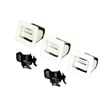
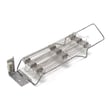
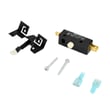


How do I find the part number for my dryer?
For Kenmore electric dryer model 11076972410, the fastest way to get the right part number is to match the failed part by location and function (belt, heater, motor, door latch) and then confirm it against the model’s parts list so you order the exact replacement.
Step-by-step: find the correct part number
- Locate your dryer’s model number tag (commonly on the door opening, door frame, or inside the cabinet opening).
- Write the model number exactly as shown: 11076972410.
- Identify the part you need by symptom (no heat, won’t start, squealing, drum not turning).
- Match the part name to a known component (for example, drum belt, heater element, drive motor).
- Confirm the part by comparing part name and part ID before ordering.
Common parts people look up on this model
If you already know what failed, these are frequently replaced items for this dryer:
| Symptom | Likely part to check | Example part for this model |
|---|---|---|
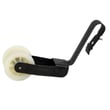
| Drum won’t turn, burning rubber smell | Drum belt, idler pulley | Drum belt 341241, pulley WP691366 |
| Dryer runs but no heat | Heater element, thermostat | Heater element WP4391960, thermostat 279054 |
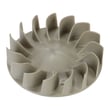
| Loud humming, won’t tumble | Drive motor, blower wheel | Motor 279827, dryer blower wheel WP694089 |
| Door won’t stay closed | Door strike/latch | Door strike 279570 |
Why it matters
Kenmore model numbers often share similar-looking parts across series, but small design differences can change fitment. Using the exact model number 11076972410 and matching the part ID prevents wrong-part returns and repeat repairs.
Helpful reference
For a quick overview of how dryer components are named and grouped, use what are the main parts of a clothes dryer.
Last updated: February 2026
How do I tell what model my Kenmore dryer is?
To tell what model your Kenmore dryer is, we look for the model/serial tag on the dryer cabinet, then match the full model number exactly (for example, 11076972410) when ordering parts or troubleshooting. On most Kenmore dryers, the tag is easiest to spot with the door open.
Where to find the model number tag
Check these common locations on Kenmore electric dryers:
- Inside the door opening on the front panel (around the door frame)
- On the door itself (edge or inner surface)
- On the back panel of the dryer cabinet
- Near the lint screen housing area (you may need a flashlight)
How to read the number (and why it matters)
Kenmore model numbers often start with a 3-digit prefix (such as 110 or 796) that helps identify the manufacturer family. The most important thing is to use the entire model number, including all digits, because small differences can change the correct drum belt, heater element, thermostat, or door parts.
Quick guide
| What you see | What to do | Why it helps |
|---|---|---|
| A long number like 11076972410 | Use it exactly as printed | Ensures correct part fit |
| A prefix like 110 | Treat it as a family identifier | Narrows parts diagrams |
| Only partial digits readable | Clean the label and re-check | Prevents ordering the wrong part |
If the label is worn or missing
Use these steps to recover the model number:
- Wipe the tag gently with a damp cloth; dust can hide digits
- Shine a flashlight across the label at an angle to reveal faint printing
- Take a close-up photo and zoom in to read the characters
- If you can only confirm the “110” prefix, match parts by comparing your dryer’s configuration (door style, lint screen location, control layout)
Related parts you may be matching by model
Once you confirm model 11076972410, common wear items you can match correctly include the drum belt 341241 and the heater element WP4391960.
Why it matters
Using the exact Kenmore model number prevents fit issues and repeat repairs, especially for drive components (belt, pulley, motor) and heating components (heater element, thermostats).
Last updated: February 2026
Is it worth repairing an old Kenmore dryer?
Yes, repairing an older Kenmore electric dryer like model 11076972410 is usually worth it when the fix is a common wear item (belt, idler pulley, heating element, thermostat) and the cabinet and drum are in good shape. Replacement makes more sense when multiple major components are failing or the dryer has chronic overheating or airflow problems.
Quick decision checklist
- The drum turns smoothly by hand and does not scrape loudly
- The dryer heats and cycles off normally (no burning smell)
- The repair is a single, clear failure (for example, broken belt or worn pulley)
- You can complete the repair safely (power disconnected, proper tools)
- The total repair cost stays well below the cost of a comparable new dryer
Common “worth it” repairs on this model
These are typical, high-value fixes for Kenmore 110-series electric dryers:
- No tumble but motor runs: replace the drum belt 341241
- Squealing or thumping: inspect the pulley WP691366 and drum support surfaces
- No heat or weak heat: test the heater element WP4391960 and thermostats
- Poor drying and lint leaks: check seals such as the dryer lint chute seal W11415783
When replacement is the better call
| Symptom | What it often points to | Typical direction |
|---|---|---|
| Loud grinding plus drum wobble | Multiple wear points or drum support damage | Replace if several parts are needed |
| Repeated thermal shutdowns | Venting restriction or overheating damage | Fix venting first; replace if damage repeats |
| Motor hums, won’t start, trips breaker | Drive motor or seized blower | Repair if single-part failure; replace if widespread wear |
Why it matters
A dryer that tumbles, heats, and vents correctly can run for many years; most “old dryer” problems are mechanical wear or airflow related. Fixing a belt, idler pulley, or heater circuit restores performance without the cost and hassle of replacing the whole appliance.
For a parts overview and what each component does, use what are the main parts of a clothes dryer.
Last updated: February 2026
What are common problems with Kenmore dryers?
Common problems we see with the Kenmore electric dryer model 11076972410 include no heat, long dry times, the drum not tumbling, and loud squealing or thumping. Most of these issues trace back to airflow restrictions, normal wear on drive parts, or a failed heating or temperature-control component.
Most common symptoms and likely causes
- Dryer will not heat: failed heating circuit part such as the heater element, thermostat, or a safety device; also check power supply (electric dryers need full 240V).
- Long drying times: restricted venting, clogged lint path, or a leaking lint duct seal.
- Drum not turning: broken belt, worn idler pulley, or a failing drive motor.
- Loud noise (squeal, rumble, thump): worn pulley, blower wheel issues, or drum support wear.
- Door will not stay closed: worn strike or latch alignment.
Parts that commonly fix these problems (for model 11076972410)
If your symptom matches, these model-compatible parts are common fixes:
- Drum belt 341241 for a drum that will not tumble
- Pulley WP691366 for squealing and intermittent tumbling
- Motor 279827 for a humming motor, no-start, or weak tumbling
- Heater element WP4391960 for no-heat or weak-heat complaints
- Dryer blower wheel WP694089 for loud roaring and poor airflow
Quick symptom-to-part guide
| Symptom | What to check first | Common part match |
|---|---|---|
| Runs but no heat | Verify 240V at outlet, then heating circuit | Heater element, thermostat |
| Takes too long to dry | Vent restriction, lint chute leaks | Blower wheel, seals |
| Drum will not turn | Belt and idler condition | Drum belt, pulley |
| Loud squeal/whine | Idler pulley and belt wear | Pulley, drum belt |
Why it matters
A dryer that is not moving air correctly can overheat, shut down on safety devices, and take much longer to dry. Fixing airflow and worn drive parts early helps protect the heater, motor, and drum components.
Helpful DIY reference
For control-related issues on Kenmore 110-series electronic models, we use the troubleshooting patterns in Kenmore 110 series electronic control model dryer error codes.
Last updated: February 2026
What is the life expectancy of a Kenmore dryer?
A Kenmore electric dryer like model 11076972410 typically lasts 10 to 13 years. With consistent airflow maintenance and prompt replacement of wear items (belt, idler pulley, seals), many dryers reach 15 years or more before major repairs become common.
What affects dryer lifespan the most
- Vent restriction (long runs, crushed flex duct, lint buildup) that overheats the heater and thermostats
- Overloading that strains the drum support system and drive components
- Skipped lint cleaning (screen and lint chute area) that reduces airflow
- Worn drive parts (belt and idler pulley) that slip, squeal, or break
- Heat cycling issues (failed thermostat or heating element) that cause long dry times
Parts that commonly wear first (and what they do)
| Symptom | Likely wear item | Example part for 11076972410 |
|---|---|---|
| Drum won’t turn, motor runs | Belt broken or off | Drum belt 341241 |
| Squealing or thumping | Idler pulley worn | Pulley WP691366 |
| No heat or weak heat | Heater or thermostat issue | Heater element WP4391960 |
| Poor airflow, lint leaks | Lint duct seals worn | Dryer lint screen housing foam seal WP339956 |
Maintenance that extends life (simple, high impact)
- Clean the lint screen every load.
- Check airflow at the outside vent; it should be strong and steady.
- Clean the vent duct and outside hood regularly (more often with pets or heavy use).
- Avoid overfilling; leave room for clothes to tumble freely.
- If dry times increase, address airflow first before replacing heat parts.
Why it matters
Most “dryer is wearing out” complaints are really airflow and heat stress problems. Keeping airflow strong reduces overheating, protects the heating element and thermostats, and helps the motor and belt system last longer.
Last updated: February 2026