Installation guide
 Owner’s manual
 Error Codes


What is the most common problem with KitchenAid dishwashers?
The most common issues we see on KitchenAid dishwashers like model KUDI02IRWH3 are cleaning complaints (food left on dishes), draining problems (standing water), and leaks. Many of these start with loading, water temperature, and routine maintenance, then move to parts like the pump, drain hose, or door seal.
Most common symptoms and what they usually point to
- Dishes not clean: low incoming water temperature, blocked spray paths, overloading, or detergent issues
- Not draining: clog in the drain path, restricted drain hose, or a failing drain pump
- Leaking: worn door seal, misalignment, or a damaged gasket
- Won’t start or stops mid-cycle: power supply issue, blown fuse, or control problem
- Poor drying or condensation: cycle selection, venting, or heater-related issues
Quick checks we recommend first (before replacing parts)
Use the troubleshooting and performance tips in the KUDI02IRWH3 owner's manual. For this model, the manual specifically calls out that water should be about 120°F (49°C) as it enters the dishwasher for best cleaning results.
- Run hot water at the sink until it is hot before starting the cycle
- Load so spray arms can rotate freely and water can reach all surfaces
- Use fresh detergent and avoid overfilling (excess suds can reduce cleaning)
- If you run loads every 2 to 3 days, use a rinse cycle between full loads to reduce odor
- Check for obvious drain restrictions (kinks, clogs) and clear debris from the tub bottom
When a part is the likely fix (common matches)
If the basic checks do not change the symptom, these parts are frequent solutions on KUDI02IRWH3:
| Symptom | Common part to inspect | What it does |
|---|---|---|
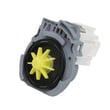
| Standing water | Dishwasher drain pump WPW10348269 | Pumps water out during drain |
| Slow or no drain | Dishwasher drain hose | Carries water to the disposer or drain line |
| Leaks at the door | Door seal/gasket | Seals the tub to the door |
| No heat, poor drying | Heating element | Heats water and supports drying |
Why it matters
Cleaning and draining problems often look like “the dishwasher is bad,” but they are usually a flow issue: water temperature, spray coverage, or a restriction in the drain path. Fixing the root cause prevents repeat clogs, odors, and pump wear.
Last updated: February 2026
What's the average lifespan of a KitchenAid dishwasher?
A KitchenAid dishwasher typically lasts 10 to 14 years. For your KitchenAid KUDI02IRWH3, lifespan depends most on how often it runs, water quality, and routine care like cleaning and fixing small leaks or drain issues early (see the KUDI02IRWH3 owner's manual).
Typical lifespan and what affects it
- Usage frequency: 1 load/day wears parts faster than 3 to 4 loads/week.
- Water quality: Hard water speeds up mineral buildup on the heater and inside the sump.
- Maintenance: Regular cleaning helps the wash system and drain path stay clear.
- Installation quality: Proper drain loop, water supply, and electrical setup reduce failures.
- Early repairs: Replacing a failing pump, valve, or seal prevents bigger damage.
Maintenance that helps you reach the high end of the range
- Clean the interior and run a dishwasher cleaner periodically.
- Keep spray arms clear of debris and labels.
- Use the right detergent amount; adjust for hard water.
- Check for slow draining and clear the drain path before it strains the pump.
- Inspect for small leaks around the door and tub area.
Common wear items as the dishwasher ages
| Symptom | Common cause | Example part for KUDI02IRWH3 |
|---|---|---|
| Won’t drain or drains slowly | Drain pump or drain hose restriction | Dishwasher drain pump WPW10348269, dishwasher drain hose 8269144A |
| Not drying well | Heating circuit issue | Heater element WPW10082892 |
| Not filling | Water inlet valve problem | Dishwasher water inlet valve WPW10158389 |
| Dead/no power | Blown thermal fuse | Fuse W10258275 |
Why it matters
Dishwashers often fail gradually; a small drain, fill, or heating problem can shorten lifespan by overworking the pump motor, electronic control, and heater. Following the care and troubleshooting guidance in the KUDI02IRWH3 owner's manual helps you avoid repeat stress on those systems.
Last updated: February 2026
What are the commonly replaced parts in a dishwasher?
In a KitchenAid dishwasher like model KUDI02IRWH3, the most commonly replaced parts are the ones that handle water flow, heating, sealing, and door movement. We most often see drain and circulation components, the heating element, door seals, and rack hardware replaced after clogs, leaks, wear, or poor cleaning performance.
Most common dishwasher parts customers replace
- Drain components (clogs, humming, standing water): dishwasher drain pump WPW10348269, drain hose
- Wash/circulation components (poor cleaning, weak spray): circulation pump motor, sump, spray arm
- Heating and drying parts (wet dishes, cool water): heater element WPW10082892
- Water fill parts (won’t fill, fills slowly): dishwasher water inlet valve WPW10158389
- Leak and door sealing parts (water at the front or corners): gasket W11196317
- Rack and track hardware (rack falls off track, won’t roll): upper roller, rail stops
- Electrical protection and controls (dead unit, intermittent power): fuse, electronic control
Quick symptom-to-part guide
| Symptom | Most likely part area | Example part for KUDI02IRWH3 |
|---|---|---|
| Won’t drain, water left in tub | Drain path | Drain pump, drain hose |
| Not cleaning well | Wash/circulation | Spray arm, sump, pump motor |
| Not drying | Heating | Heating element |
| Leaking at door | Sealing | Door seal/gasket |
| Door drops or won’t stay balanced | Door hardware | Hinge/link/spring tension |
Why it matters
Replacing the correct “high-wear” part restores normal wash pressure, proper heating, and leak protection. It also prevents secondary damage, such as water reaching the control area or a pump overheating while trying to push through a clog.
Helpful model-specific references
- Use the KUDI02IRWH3 owner’s manual for cleaning and care steps that reduce repeat failures (film buildup, interior cleaning, and loading guidance).
- Use the KUDI02IRWH3 installation guide for door spring tension adjustment and installation checks that affect leaks and door operation.
Last updated: February 2026
Can I replace dishwasher parts myself?
Yes, for KitchenAid dishwasher model KUDI02IRWH3, we can replace many common parts ourselves if we shut off power and water first and follow the step-by-step procedures in the KUDI02IRWH3 owner’s manual and KUDI02IRWH3 installation guide. Simple mechanical fixes are usually DIY-friendly; electrical and leak-related repairs take more care.
Good DIY repairs vs. better left to a pro
Many repairs are straightforward because they involve accessible hardware, clamps, or snap-in parts.
- Good DIY candidates: rack stops/rollers, door spring tension adjustment, drain hose routing, toe panel removal
- Moderate DIY: replacing a drain pump, inlet valve, or heating element (requires careful leak checks)
- Consider a technician: repeated breaker trips, burnt wiring, or complex control issues
Common DIY parts for this model
| Symptom | Likely area | Example part for KUDI02IRWH3 |
|---|---|---|
| Not draining | Drain path/pump | Dishwasher drain pump WPW10348269 or dishwasher drain hose 8269144A |
| Not filling | Water supply/inlet | Dishwasher water inlet valve WPW10158389 |
| Poor drying | Heating circuit | Heater element WPW10082892 |
| Dead/no response | Power protection/control | Fuse W10258275 or dishwasher electronic control WPW10084141 |
Safety steps we follow before any repair
The manuals emphasize basic safety and installation requirements that matter during repairs too.
- Turn off the breaker (do not rely on the door switch)
- Shut off the water supply valve under the sink
- Avoid extension cords; use proper grounding practices
- Keep hoses and wiring from rubbing the motor or legs
- If you pull the unit out, keep it stable to prevent tipping
Why it matters
DIY replacement can save time and money, but dishwashers combine electricity, water, and heat. Following the model-specific procedures helps prevent leaks, damage to wiring, and door alignment problems after reassembly.
Last updated: February 2026