Owner’s manual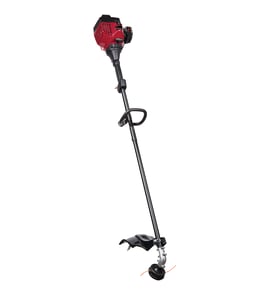





What is the fuel mix for a Craftsman gas trimmer?
For the Craftsman gas line trimmer model 358791050, use a 40:1 gasoline-to-2-cycle oil fuel mix (40 parts fresh unleaded gas to 1 part 2-cycle engine oil). For exact fuel and starting instructions for your trimmer, follow the 358791050 owner's manual.
Use this chart to measure accurately; mixing too rich or too lean can cause hard starting, rough running, or engine damage.
| Gasoline amount | 2-cycle oil needed (40:1) |
|---|---|
| 1 gallon | 3.2 fl oz |
| 1/2 gallon | 1.6 fl oz |
| 1 quart | 0.8 fl oz |
| 2 gallons | 6.4 fl oz |
- Use a clean, approved fuel can (not the trimmer tank) for mixing.
- Add about half the gasoline first, then add the measured 2-cycle oil.
- Cap and shake to blend, then add the remaining gasoline and shake again.
- Use fresh fuel; old fuel is a top cause of no-start and rough-running symptoms.
- Store the can tightly sealed and away from heat sources.
A correct 40:1 mix is step one; if performance is still poor, these are the most common next checks:
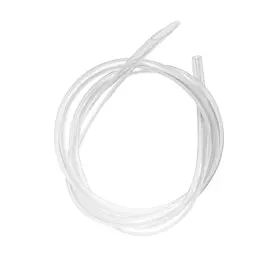
- Replace cracked or soft fuel tubing; a leak can make the engine run lean (see ayp lawn & garden equipment fuel line, large 530069216).
- Inspect the kill switch and wiring for intermittent shutoff (see lawn & garden equipment kill switch 530069572).
- Clean the air filter and check the spark plug condition and gap.
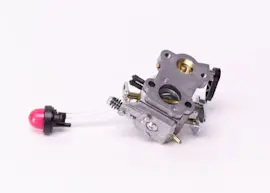
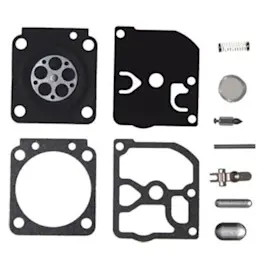
- If fuel delivery is weak, the carburetor may need service or replacement (see line trimmer carburetor 530071811).
A 2-cycle engine relies on oil mixed in the fuel for lubrication. The correct 40:1 ratio helps the Craftsman 358791050 start easier, idle smoother, and avoid premature wear to the piston and crankshaft.
Last updated: January 2026
How to replace line on Craftsman gas trimmer?
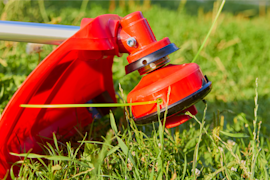
On the Craftsman 358791050 gas line trimmer, replacing the cutting line means rewinding the trimmer head spool with the correct diameter line and loading it evenly so it feeds smoothly when you bump the head. Use the steps in the 358791050 owner's manual for your exact head style.
- Shut the engine off and let the muffler cool completely.
- Disconnect the spark plug wire so the trimmer cannot start accidentally.
- Wear gloves and eye protection; trimmer line ends can be sharp.
- Clean grass and debris off the head so the spool seats correctly.
- Remove the head cover (most bump heads twist off or release with tabs).
- Pull out the old line and remove the spool.
- Cut two equal lengths of new line (many heads use two pieces; some use one continuous piece).
- Wind the line onto the spool in the direction of the arrow on the spool.
- Keep the wraps tight and side-by-side.
- Do not overlap layers; overlapping is the most common cause of tangles and feed problems.
- Lock the line ends into the spool notches (if your spool has them).
- Thread the line ends through the eyelets in the head housing.
- Reinstall the spool and snap or twist the cover back on.
- Pull both line ends evenly to release them from the notches and set the line length.
- Line is too thick or too thin for the head
- Line is wound in the wrong direction
- Wraps are crossed or overlapped on the spool
- Debris is packed under the spool or in the eyelets
- Spool or cover is cracked or worn (replace if needed)
| Symptom | Most likely part | Example part for this model |
|---|---|---|
| Line tangles or will not advance | Spool or cover worn, warped, or cracked | Spool 596585805, cover p25 545003365 |
| Head vibrates or feels loose | Cover not seated, spool not seated | Cover p25 545003365 |
Correct winding and the right line size prevent jams, reduce vibration, and help the bump-feed mechanism advance line consistently, which protects the spool and cover from premature wear.
Last updated: January 2026
How to unflood a string trimmer?
To unflood a Craftsman line trimmer like model 358791050, we clear excess fuel from the cylinder by setting the choke correctly, opening the throttle, and pulling the starter until it fires; then we return to the normal starting position and restart.
- Move the trimmer to a well-ventilated area and keep it away from ignition sources.
- Set the choke to RUN/OFF CHOKE (choke open) so you are not adding more fuel.
- Hold the throttle wide open (or lock it on if your handle has a throttle lock).
- Pull the starter rope 8 to 15 times to purge fuel and bring in fresh air.
- If it tries to start, keep the throttle slightly open until it runs smoothly.
- If it still will not fire, remove the spark plug, dry it, and pull the rope 5 to 10 times with the plug out; reinstall and try starting again.
- Use fresh, properly mixed 2-cycle fuel; old fuel floods and fouls plugs quickly.
- Do not over-prime; stop as soon as you see fuel move through the lines.
- Make sure the air filter is clean and seated.
- Inspect fuel lines for soft spots or leaks that can upset fuel delivery.
| Symptom after flooding | Most common cause | What to do next |
|---|---|---|
| Strong fuel smell, wet plug | Too much choke/priming | Choke open, throttle wide open, pull to clear |
| Starts then dies immediately | Still too rich | Restart with less choke, hold slight throttle |
| No pop at all | Fouled plug or weak spark | Dry/replace plug; check kill switch wiring |
If you keep fighting flooding, these parts are often involved:
- Lawn & garden equipment fuel line, large 530069216 (cracked or loose lines can cause hard starting and rich running)
- Line trimmer carburetor 530071811 (metering issues can overfuel)
- Lawn & garden equipment kill switch 530069572 (a shorted switch can mimic a “flooded” no-start)
Repeated flooding washes oil off internal engine surfaces and quickly fouls the spark plug, which turns a simple starting issue into a no-start and rough-running problem.
For model-specific starting and choke positions, follow the 358791050 owner's manual.
Last updated: January 2026