Owner’s manual



What is the average lifespan of an LG dryer?
Most LG dryers, including the LG DLG1502W, typically last 10 to 15 years with normal household use and basic upkeep. Consistent airflow maintenance (lint screen and venting) and quick repair of wear items usually make the biggest difference in reaching the high end of that range.
A dryer’s life is mostly determined by heat management, airflow, and how hard the drive system works.
- Clean the lint screen every load; replace it if it is torn or warped.
- Keep the exhaust vent clear and as short and straight as possible.
- Avoid overloading; heavy loads strain the drum belt, idler pulley, and rollers.
- Address squealing, thumping, or burning smells quickly to prevent secondary damage.
- Follow the periodic cleaning and care steps in the DLG1502W owner's manual.
If these parts wear, the dryer can still run, but it often gets noisier, slower, or harder on the motor.
| Symptom | Likely wear area | Example part for DLG1502W |
|---|---|---|
| Drum not turning, or slipping | Belt and tension system | Dryer drum belt 4400EL2001F |
| Thumping or rumbling | Drum support rollers | Dryer Drum Support Roller (4581EL2002H) |
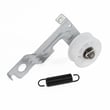
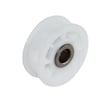
| Squealing | Idler pulley | LG Dryer Idler Pulley (4561EL3002A) |
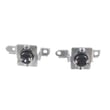
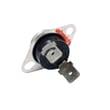
| Overheating or cycling oddly | Temperature sensing/limits | Dryer High-limit Thermostat (6931EL3003C) |
A dryer that is kept clean and running at the right temperature dries faster, uses less energy, and puts less strain on the motor and drum support system. That combination is what most often gets an LG dryer to the 10 to 15 year mark.
We list model-matched replacement parts for LG DLG1502W on this page; you can also search by model number on Sears PartsDirect if you are shopping for additional items.
Last updated: February 2026
How do you reset the flow sensor on a LG dryer?
On an LG DLG1502W dryer, the “Flow Sense” alert clears when you restore proper airflow; there is no separate flow sensor reset you can press. We reset it by cleaning the lint path and venting, then doing a quick power reset so the control can recheck airflow on the next cycle.
- Turn the dryer off.
- Remove and clean the lint screen; wash it with warm water if you see residue, then fully dry it.
- Check the lint screen housing for lint buildup.
- Inspect the vent hose behind the dryer; straighten kinks and remove crushed sections.
- Clean the wall vent and exterior hood; confirm the damper opens freely.
- Power reset: unplug the dryer (or switch the breaker off) for 5 minutes, then restore power and start a timed dry cycle.
| Check | What you want to see | What it means if you do not |
|---|---|---|
| Outside vent flap | Strong, steady airflow | Vent restriction or blower issue |
| Drying time | Normal dry times | Airflow restriction or heat problem |
| Lint screen area | Minimal lint bypass | Lint screen not seating or grille clogged |
Restricted airflow is the most common cause, but a few dryer parts can contribute:
- A clogged or damaged lint screen or housing; replace the dryer lint screen by LG 5231EL1001C if it is torn or warped.
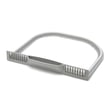
- A blocked lint screen grille; clean or replace the dryer lint screen grille 3550EL1005C if lint is packing around it.
- Overheating from poor airflow can trip safety thermostats; correct venting first before replacing controls.
Flow Sense is designed to protect drying performance and reduce overheating risk. When the vent is restricted, the dryer can run longer, feel hotter, and still leave clothes damp. Restoring airflow is the real “reset.”
For model-specific operating details and indicator meanings, use the DLG1502W manual. If you need to order replacement parts for your LG DLG1502W, use the parts list for this model or search by model number on Sears PartsDirect.
Last updated: February 2026
What is the most common problem with LG dryers?
For LG dryers like model DLG1502W, the most common problem is poor drying performance caused by restricted airflow (lint buildup or a blocked vent). After airflow issues, the next most common complaints are no heat/overheating from thermostat or sensor problems, and noise or no tumble from worn drum support parts.
- Dryer takes too long to dry: lint screen clogged, vent restricted, or blower airflow problem
- Dryer shuts off early or cycles oddly: overheating from poor airflow, or a temperature-sensing issue
- No heat (gas model): ignition or gas valve system issue
- Loud thumping, squealing, or grinding: worn belt, idler pulley, or drum support rollers
- Drum will not turn: broken belt or seized roller/idler
- Clean the lint screen and confirm it seats correctly.
- Check the lint screen housing and grille for lint buildup.
- Inspect the vent path (behind dryer to outside hood) for kinks, crushing, or heavy lint.
- Run a timed dry cycle and confirm strong airflow at the outside vent.
- Review operating and maintenance guidance in the owner's manual.
If airflow is good but performance or noise issues continue, these are frequent wear or control items for this model:
| Problem you notice | Common part involved | Example part on this model page |
|---|---|---|
| No tumble, squeal | Belt or idler pulley | Dryer drum belt 4400EL2001F, dryer idler pulley 4560EL3001A |
| Thumping/grinding | Drum support rollers | Dryer drum support roller 4581EL2002H |
| Overheating or poor temp control | Thermostats or thermistor | Dryer blower thermostat 6931EL3002M, dryer thermistor AGM30045804 |
| No heat (gas) | Ignition or gas valve | LG dryer burner igniter 5318EL3001A, dryer gas valve AGM30063309 |
Restricted airflow is the root cause behind many “LG dryer problems” because it increases dry time, raises operating temperature, and can trigger safety shutoffs. Fixing airflow first prevents repeat failures of thermostats and other heat-related parts.
You can order replacement parts for your LG DLG1502W from the parts list for this model, or search by model number on Sears PartsDirect.
Last updated: February 2026
Why is my LG dryer so slow to dry?
For an LG DLG1502W dryer, slow drying is almost always caused by restricted airflow (lint screen, lint screen grille, or vent duct), a dirty moisture sensor, or overloading. Start with airflow checks and cleaning; then move to heat-system checks such as thermostats and the thermistor using the owner's manual.
- Clean the lint screen before every load; wash it with mild soap and water if you see residue.
- Inspect and clean the lint screen housing and the blower inlet area.
- Check the vent path from the dryer outlet to the outside hood; remove lint buildup and kinks.
- Confirm the outside vent hood opens fully while the dryer runs.
- Reduce load size; bulky items need more space for air to move.
If airflow is good and drying is still slow, these parts are common suspects:
- Dryer lint screen by LG 5231EL1001C (torn, warped, or not sealing well)
- Dryer lint screen grille 3550EL1005C (lint buildup restricting intake)
- Dryer thermistor AGM30045804 (incorrect temperature sensing)
- Dryer blower thermostat 6931EL3002M (cycling issues)
- Dryer high-limit thermostat 6931EL3003C or dryer high-limit thermostat 6931EL3004B (overheat protection tripping early)
| What you notice | Most likely cause | What we recommend first |
|---|---|---|
| Clothes take 2+ cycles, dryer feels “weak” | Vent restriction | Clean/shorten vent run; verify strong exhaust outside |
| Dryer runs but shuts heat off too soon | Thermostat/thermistor issue | Check airflow first, then test/replace sensing parts |
| Loads come out hot but still damp | Overloading or sensor issue | Smaller loads; clean moisture sensor strips |
A restricted vent makes any gas dryer dry slowly because moist air cannot leave the drum efficiently. It also forces longer run times, increases energy use, and can cause the dryer to cycle heat off more often.
We list model-matched replacement parts for LG DLG1502W on this page; you can also search by model number on Sears PartsDirect if you are comparing options.
Last updated: February 2026