Owner’s manual


How to fix rubber seal on KitchenAid dishwasher?
On the KitchenAid KUDK03CTBL2 dishwasher, fixing the rubber door seal usually means reseating the door gasket evenly into its channel so the door closes squarely and water stays inside the tub. Press the gasket in section by section, then keep the door closed to help it set.
Quick steps to reseat the door seal
- Turn off power at the breaker; open the door and inspect the gasket.
- Clean the gasket channel and the gasket with warm water and mild soap; wipe dry.
- Starting at the top center, press the gasket firmly into the channel using your fingers.
- Work down both sides evenly; avoid stretching the rubber.
- Close and latch the door for several hours (overnight works well) so the gasket conforms.
- Run a short cycle and watch the bottom corners for drips.
Common causes of leaks that look like a “bad seal”
- Dishes or racks blocking the door from closing fully
- Debris on the gasket or along the tub lip
- Door not aligned due to hinge or spring tension issues
- Over-sudsing from hand soap or non-dishwasher detergent
- Water deflecting from a heavily loaded rack and splashing over the tub edge
When replacement makes more sense
If the gasket is torn, hardened, permanently flattened, or won’t stay seated, replacement is the reliable fix. For the correct placement details and safety notes (including avoiding damage to the door seal when loading sharp items), follow the KUDK03CTBL2 owner’s manual.
| What you see | Likely issue | Best fix |
|---|---|---|
| Drips at bottom corners | Gasket not fully seated or door not closing square | Reseat gasket; check rack interference |
| Leak only during fill | Water splashing or door not latching | Reduce load near front; verify latch |
| Constant seep along one side | Gasket twisted, stretched, or damaged | Reinstall correctly or replace gasket |
Why it matters
A properly seated door gasket prevents leaks that can damage flooring and helps the dishwasher maintain correct wash pressure for better cleaning and drying.
Last updated: February 2026
What is the most common problem with a KitchenAid dishwasher?
For the KitchenAid KUDK03CTBL2 dishwasher, the most common problems we see are poor cleaning, not draining, not starting mid-cycle, and leaks. These usually trace back to loading issues, clogged drain paths, a failed pump, or a worn door seal; our KUDK03CTBL2 owner's manual troubleshooting section walks through the first checks.
Most common symptoms and what typically causes them
- Dishes still dirty: blocked spray arms, overloaded racks, or wash jets obstructed (especially when using PROSCRUB features)
- Standing water: kinked/blocked drain hose, clogged drain path, or a weak/failed drain pump
- Stops or will not run: door not fully latched, power interruption, tripped breaker, or an overload reset condition
- Leaks at the door: worn or mis-seated door seal, or door alignment/hinge issues
- Odd cycle behavior: some cycles pause briefly during the main wash (normal operation)
Quick checks we recommend first (before replacing parts)
- Confirm the door closes tightly and latches.
- Verify the correct cycle and options are selected.
- Check household power: breaker and any fuse.
- Make sure the water shutoff valve is fully open.
- Inspect loading: keep items from blocking spray arms and rear wash jets.
When a part is the likely fix
If the basic checks do not resolve the issue, these parts are common repair paths for this model:
| Problem you notice | Common part to inspect/replace | What it affects |
|---|---|---|
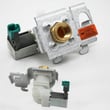
| Won’t drain, water left in tub | Dishwasher drain pump WPW10348269 | Pumps water out to the drain line |
| Not filling or fills slowly | Dishwasher water inlet valve WPW10158389 | Controls water entering the dishwasher |
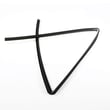
| Leaks around the door | Dishwasher door seal W11196317 | Seals the tub to the door to prevent drips |
Why it matters
Cleaning and draining problems often get worse over time: a restricted drain can leave dirty water in the sump, and poor spray coverage can make detergent and rinse aid less effective. Catching the cause early helps prevent repeat wash cycles and water damage.
Last updated: February 2026
What's the average lifespan of a KitchenAid dishwasher?
A KitchenAid dishwasher typically lasts 10 to 14 years. For your KitchenAid KUDK03CTBL2, lifespan depends most on how often you run it, your water quality, and routine care like cleaning and fixing small problems before they become major failures.
What affects lifespan the most
- Hard water and scale buildup can shorten the life of the wash system and inlet components.
- Heavy daily use wears the circulation and drain system faster than light use.
- Poor draining (standing water) strains the drain pump and can lead to odors.
- Leaks can damage wiring and controls if not corrected quickly.
- Maintenance habits (cleaning, correct detergent, proper loading) extend service life.
Maintenance that helps you reach the high end of the range
We recommend following the care and troubleshooting guidance in the KUDK03CTBL2 owner’s manual.
- Clean the filter area and sump regularly (remove debris like glass, labels, and food).
- Use the recommended dishwasher detergent and avoid overusing detergent.
- Run hot water at the sink before starting a cycle to improve wash performance.
- Inspect the door sealing surfaces; replace a worn seal if you see drips.
- If you will store the dishwasher seasonally, shut off water and power; winterize in freezing conditions.
Common “end-of-life” symptoms and likely systems involved
| Symptom | What it often points to | Example model-compatible part |
|---|---|---|
| Won’t drain, water left in tub | Drain path restriction or drain pump issue | Dishwasher drain pump WPW10348269 |
| Won’t fill or fills slowly | Water supply issue or inlet valve problem | Dishwasher water inlet valve WPW10158389 |
| Stops mid-cycle, intermittent operation | Power supply, door latch, or control-related issue | (Troubleshooting steps in the manual) |
Why it matters
Knowing the typical 10 to 14 year lifespan helps us decide whether a repair (like a drain pump, inlet valve, or door seal) is a smart investment, or whether multiple major issues suggest it is time to plan for replacement.
Last updated: February 2026