Error Codes


What is the life expectancy of a LG dryer?
An LG dryer like model DLGX3701V typically lasts 10 to 15 years with normal household use. Consistent airflow maintenance (lint screen and venting) and quick repairs when symptoms start are the biggest factors in reaching the high end of that range.
- Vent restriction (long dry times, overheating, extra wear on thermostats and motor)
- Lint buildup in the lint screen housing and ducting
- Load habits (overloading strains the drum support system and motor)
- Heat system cycling (gas ignition and sensors working harder when airflow is poor)
- Moisture sensor condition (can cause over-drying or extended run time)
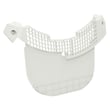
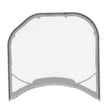
- Clean the lint screen every load; replace it if it is torn or warped using the lint filter - dryer part by LG ADQ56656401.
- Vacuum lint from the lint screen housing area periodically; damaged housings can leak lint and reduce airflow.
- Keep the exhaust path clear; crushed or excessively long venting increases heat and run time.
- Do not overload; heavy loads accelerate wear on rollers, idler pulley, and drum seals.
- If drying performance changes, troubleshoot early using dryer takes a long time to dry.
| Usage pattern | Typical life expectancy | What usually shortens it |
|---|---|---|
| Light (few loads/week) | 12 to 15 years | Neglected vent cleaning |
| Average (most households) | 10 to 15 years | Overloading, restricted airflow |
| Heavy (daily loads) | 8 to 12 years | Heat stress, drum support wear |
A dryer that runs hotter or longer than normal wears out key components faster (thermostats, motor, drum support parts) and can also increase energy use. Simple airflow and lint-control habits are the most cost-effective way to protect your LG dryer.
Last updated: January 2026
How to reset an LG sensor dry dryer?
On our LG DLGX3701V dryer, a “Sensor Dry” reset is usually an electronic reset: cancel the cycle, power the dryer off, then unplug it for 1 minute and restart. If drying performance is still off, the moisture-sensing circuit often needs cleaning or inspection rather than a true reset.
- Press Power to turn the dryer off.
- Unplug the dryer (or switch the breaker off) for 60 seconds.
- Restore power.
- Select a Sensor Dry cycle and press Start/Pause.
- If the panel is unresponsive, try a different cycle first to confirm the keypad is working.
Most “sensor” complaints are caused by airflow restriction or the sensor bars not reading correctly.
- Clean the lint screen and confirm it seats correctly in the housing.
- Clean the moisture sensor bars inside the drum (wipe with rubbing alcohol; remove residue from dryer sheets).
- Check the vent run for kinks, crushing, or heavy lint buildup.
- Avoid overloading; mixed fabric loads can confuse sensor timing.
- If the dryer is gas and you also have no heat, stop and troubleshoot the heating system.
If cleaning and airflow checks do not help, these model-compatible parts are common suspects:
| Symptom | What to check | Model-compatible part example |
|---|---|---|
| Sensor cycles end quickly, clothes damp | Moisture sensor circuit | Dryer moisture sensor 6500EL3001A |
| Long dry times, hot cabinet, weak airflow | Lint restriction at screen/duct | Lint filter - dryer part by LG ADQ56656401 |
Sensor Dry relies on good airflow and accurate moisture readings to prevent overdrying and reduce energy use. A clogged lint path or dirty sensor bars can make the dryer shut off early or run too long.
Related help: dryer takes a long time to dry
Last updated: January 2026
What is the most common problem with LG dryers?
For LG dryers like model DLGX3701V, the most common issue we see is clothes taking too long to dry or not drying well. In most cases, the root cause is restricted airflow (lint buildup in the lint screen area or venting), followed by heat-system or drum-support wear that can also create noise.
- Clean the lint screen every load; replace it if it is torn or warped (see lint filter ADQ56656401).
- Inspect and clean the lint screen housing and ducting area if lint is bypassing the screen (see LG dryer lint screen housing MCK49049101).
- Confirm strong airflow at the outside vent hood; weak airflow usually means a clogged or crushed vent.
- Avoid overloading; heavy loads restrict tumbling and airflow.
- If the dryer runs but heat seems inconsistent, stop using it until airflow is corrected to prevent overheating.
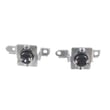
If airflow is good and the dryer still under-dries, common suspects on this model family include thermostats and gas-ignition components.
| Symptom | What it often indicates | Example compatible part to inspect |
|---|---|---|
| Runs, but heat cycles off too soon | Temperature control issue | Dryer high-limit thermostat AGM30045804 |
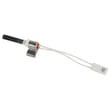
| Runs, but heat is weak or intermittent (gas models) | Ignition system problem | LG dryer burner igniter 5318EL3001A |
| Auto cycles end too early, clothes still damp | Moisture sensing issue | Dryer moisture sensor 6500EL3001A |
The next most common complaint is thumping, rumbling, or squealing. That typically comes from wear in the drum support system.
- Rumbling or thumping: inspect rollers (see dryer drum support roller 4581EL2002L).
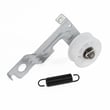
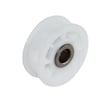
- Squealing: inspect the idler pulley (see dryer idler pulley 4560EL3001A).
- Vibration: confirm the dryer is level and the load is balanced.
Poor airflow is the number one reason dryers underperform; it increases dry time, wastes energy, and can overheat safety components. Fixing airflow first helps you avoid replacing parts that are not actually bad.
Related help: dryer takes a long time to dry
Last updated: January 2026