 Installation guide
 Owner’s manual




Is GE GDT580SMF0ES considered high end?
GE GDT580SMF0ES is best described as a mid-range GE dishwasher, not a true high-end or luxury model. It sits above entry-level dishwashers in features and performance, but GE’s higher-tier lines and premium feature sets are typically considered “high end.” For model-specific features and options, use the GDT580SMF0ES owner's manual.
How we define “high end” for dishwashers
“High end” usually means you get more of the features that improve cleaning, drying, and convenience, such as quieter operation, more wash zones, upgraded racks, and advanced drying systems.
Common high-end signals include:
- Very quiet sound ratings (often in the low-to-mid 40 dBA range)
- More cycles and targeted options (bottle jets, extra zones, advanced soil sensing)
- Stronger drying systems (fan-assisted or enhanced condensation drying)
- More rack adjustability and a third rack
- Premium controls and build details
What you can expect from the GDT580 series
The manual for the GDT580-740 series focuses on core dishwasher functions like cycle selection, loading guidance, and rinse agent use, which aligns with a solid, mainstream dishwasher design. For example, it calls out rinse agent use and typical dispenser capacity, and it provides detailed loading patterns for the GDT580 models. Use the GDT580SMF0ES owner's manual to match features to your exact control panel and cycle set.
Quick comparison: where it fits
| Tier | Typical positioning | What it means for you |
|---|---|---|
| Entry-level | Basic cleaning, fewer options | Lowest cost, fewer convenience features |
| Mid-range (GDT580SMF0ES) | Balanced features and price | Strong everyday performance, practical options |
| High-end / premium | More quiet, more flexibility, upgraded drying | Best experience, typically higher cost |
Why it matters
Knowing the tier helps set expectations for drying performance, cycle length, and noise. If you are troubleshooting performance, many “premium results” come from setup and maintenance, not just the model tier.
If you are trying to improve results on this dishwasher, focus on:
- Loading so items do not block spray paths (especially the mid and lower spray arms)
- Using rinse agent consistently for better drying
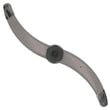
- Keeping spray arms clear; replace a worn arm if jets are clogged or damaged (example: dishwasher spray arm, lower WD22X33499)
Last updated: February 2026
What is the average lifespan of a GE dishwasher?
A GE dishwasher typically lasts about 12 years (most fall in the 10 to 15 year range). For your GE GDT580SMF0ES, lifespan depends most on how often it runs, water quality, and routine maintenance like cleaning the filters and keeping spray arms clear; see the owner's manual for model-specific care steps.
Typical lifespan range (what to expect)
Most built-in dishwashers like the GE GDT580SMF0ES land in this range:
- Light use (few loads per week): 12 to 15 years
- Average use (near-daily): about 10 to 13 years
- Heavy use (multiple loads daily): 7 to 10 years
| Usage pattern | Typical lifespan | What usually ends it first |
|---|---|---|
| Light | 12 to 15 years | Seals, racks, minor leaks |
| Average | 10 to 13 years | Drain issues, wash performance decline |
| Heavy | 7 to 10 years | Pump wear, heater performance, door latch wear |
Maintenance that extends life the most
The biggest gains come from preventing restricted water flow and buildup.
- Clean the filters regularly (if dishes feel gritty or cleaning drops off, do it sooner)
- Keep spray arm holes clear; replace a worn arm if it stops spinning freely (example: dishwasher spray arm, lower WD22X33499)
- Use a rinse aid and quality detergent to reduce film and mineral buildup
- Run hot water at the sink before starting a cycle so the dishwasher fills with hotter water
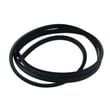
- Fix small leaks early; a failing door seal can turn into cabinet and floor damage (example: dishwasher tub gasket WD08X23477)
Signs your dishwasher is nearing end-of-life
These symptoms often show up in the last few years of service:
- Dishes stay dirty even after filter and spray arm cleaning
- Standing water or repeated drain problems (example: dishwasher drain hose WD24X10062)
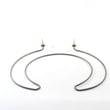
- Poor drying or water not heating well (example: dishwasher heater element WD05X30818)
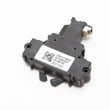
- Door won’t latch reliably (example: GE dishwasher door latch lock WD21X10490)
- Frequent error codes or intermittent operation (see GE electronic dishwasher error codes)
Why it matters
Knowing the typical lifespan helps you decide whether to repair a single failed part (like a latch, gasket, or heater) or plan for replacement when multiple high-cost components start failing close together.
Last updated: February 2026
What is the most common problem with a GE dishwasher?
The most common issues we see on a GE dishwasher like model GDT580SMF0ES are not draining (filter or drain path restrictions) and not starting (door not fully latched or a cycle interruption). Cleaning the filters and confirming the door latches securely solve many “common problem” complaints.
Most common symptoms and what they usually point to
- Water left in the bottom: clogged filters, blocked drain hose, or a restricted air gap (if installed)
- Won’t start or stops mid-cycle: door not fully closed, Start not re-pressed after opening, or latch issue
- Beeping once every minute: door left open during operation (close door and press Start)
- Start/status light flashing: cycle was interrupted by opening the door; press Start and close the door
- Poor cleaning or gritty dishes: filters need cleaning; spray arms may be blocked
- Not drying well: rinse aid low or heater-related issue
Quick checks we recommend first (in order)
- Press Start and fully close the door. If the door was opened mid-cycle, the dishwasher often needs Start pressed again to resume.
- Clean the filters (a common fix). The manual recommends inspecting and cleaning periodically, often about every other month depending on use.
- Check the drain path: look for kinks or clogs in the drain line; if your setup has an air gap, clean it.
- Inspect spray arms for clogs (food, labels, hard-water debris) and make sure they spin freely.
- Confirm water temperature and detergent basics: very hot incoming water (over about 150°F) and too much detergent can cause issues like etching; wrong detergent can cause suds.
Common parts that match these problems (GDT580SMF0ES)
| Symptom | Part to consider | What it affects |
|---|---|---|
| Won’t start, door won’t “click” shut | GE dishwasher door latch lock WD21X10490 | Door switch signal and safe start |
| Not draining or slow drain | Dishwasher drain hose WD24X10062 | Drain flow to disposal or drain line |
| Not drying, water not heating | Dishwasher heater element WD05X30818 | Water heating and drying performance |
Why it matters
Drain and start problems are the most common because they are often caused by normal use (food debris in filters, a door that is not fully latched, or a cycle interrupted by opening the door). Fixing these early helps prevent odors, poor wash results, and repeated cycle failures.
For model-specific operating steps and troubleshooting charts, use the owner's manual. For mounting, grounding, and drain setup details, use the installation guide.
Last updated: February 2026





