Owner’s manual
 Error Codes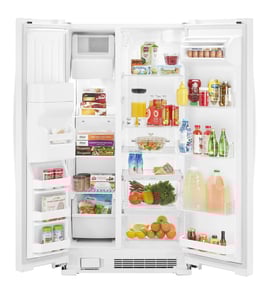


What is the average lifespan of a GE refrigerator?
Most GE refrigerators, including the GE GSE25ESHBSS side-by-side, typically last 10 to 20 years, with about 12 years being a common average when the unit is installed correctly, kept clean, and the doors seal tightly. For model-specific care and maintenance details, use the GSE25ESHBSS owner's manual.
What affects how long a GE refrigerator lasts?
A refrigerator’s lifespan is mostly driven by heat management, airflow, and how hard the sealed system has to work.
- Dirty condenser area or blocked airflow causes longer run times
- Worn or leaking door gaskets let warm air in and create frost and moisture
- Frequent door opening and overpacking restricts air circulation
- Water leaks or ice buildup can stress fans and defrost components
- Power surges can damage controls and sensors
Quick maintenance checklist (best ROI)
These steps help a side-by-side refrigerator like the GSE25ESHBSS reach the upper end of the 10 to 20 year range.
- Keep vents inside the fresh food and freezer sections unobstructed
- Clean dust from the condenser area regularly (especially with pets)
- Confirm doors close fully and the gasket seals all the way around
- Replace the water filter on schedule to protect water flow and the valve
- Set stable temperatures (avoid extreme cold settings that increase run time)
Typical lifespan by major component
| Component | Typical lifespan range | What you may notice when it’s failing |
|---|---|---|
| Compressor (sealed system) | 10 to 20 years | Warm temps, long run times, clicking, poor cooling |
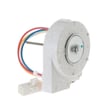
| Evaporator fan motor | 5 to 15 years | Noisy freezer, weak airflow, uneven temps |
| Control board/sensors | 5 to 15 years | Erratic temps, intermittent cooling, error codes |
| Door gasket | 5 to 10 years | Moisture, frost, warm spots near the door |
Why it matters
Knowing the expected lifespan helps you decide whether to maintain, repair, or replace. If your GSE25ESHBSS is near the 12-year mark, simple upkeep and fixing airflow or sealing issues can prevent expensive cooling problems.
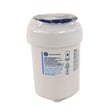
If you are troubleshooting dispenser performance, a clogged filter is a common cause; the GE refrigerator water filter MWFP is the listed filter for this model.
Last updated: January 2026
What is the highest rated side-by-side refrigerator?
The “highest rated” side-by-side refrigerator depends on the rating source and what they score most (temperature stability, ice maker performance, noise, features, or price). If you’re comparing against your GE GSE25ESHBSS, use the same criteria and confirm your model’s features in the GSE25ESHBSS owner's manual.
How we recommend choosing the “highest rated” model
Different reviewers weight categories differently, so we focus on what affects day-to-day satisfaction and food safety.
- Cooling performance and temperature consistency in both compartments
- Ice maker and water dispenser reliability (clogs, slow fill, leaks)
- Noise level from the evaporator fan and condenser fan
- Energy use and long-term operating cost
- Storage layout (bin size, shelf adjustability, door bin depth)
- Serviceability and parts availability (filters, valves, sensors)
Quick comparison checklist (use this when reading reviews)
| What reviewers measure | What it means for you | What to check on your fridge |
|---|---|---|
| Temperature stability | Fewer frozen veggies in fresh food; safer food temps | Setpoints and airflow settings in the manual |
| Ice and water performance | Faster dispense; fewer jams and leaks | Filter age; inlet valve fill strength |
| Noise | Less humming and fan cycling | Fan noise changes over time |
| Ownership cost | Lower bills; fewer repairs | Filter replacement schedule |
If your “rating” is really about fixing performance issues
Many people start shopping because their current side-by-side is not dispensing water, not making ice, or not cooling evenly. On the GE GSE25ESHBSS, these are common, fixable areas:
- Replace the water filter on schedule; a restricted filter can slow water and reduce ice production (see GE refrigerator water filter MWFP)
- If water flow is weak even with a new filter, test the inlet valve (see refrigerator water valve WR57X33326)
- If temps swing or food freezes in the fresh food section, check the sensor and airflow components
- If you hear loud fan noise or warm temps, inspect the evaporator fan area
Why it matters
A side-by-side can be “top rated” on features but still disappoint if it does not match your priorities. When you compare models using the same criteria you use at home (ice, water, noise, temperature stability), you end up with a rating that actually fits your kitchen and habits.
Last updated: January 2026
Are GE side-by-side refrigerators good?
GE side-by-side refrigerators, including model GSE25ESHBSS, are a solid choice for everyday use because they typically deliver reliable cooling, easy access to fresh and frozen foods, and convenient dispenser features. Overall quality depends most on proper temperatures, door sealing, and routine maintenance.
What “good” usually means for a side-by-side
A good side-by-side refrigerator keeps steady temperatures, seals tightly, and circulates air evenly so food stays fresh longer.
- Consistent fresh food temps around 37°F and freezer temps around 0°F
- Adjustable shelving and bins for flexible storage
- Even airflow (no warm spots in the fresh food section)
- A dispenser that delivers water and ice without leaks or clogs
- Reasonable operating noise (fan and ice maker sounds are normal)
Quick pros and tradeoffs
| What many owners like | Common tradeoff to expect |
|---|---|
| Narrow door swing and easy access to both compartments | Freezer space can feel narrower for wide boxes |
| Through-the-door water and ice convenience | Ice makers can be noisy during harvest cycles |
| Good organization with shelves and door bins | Dispenser performance depends on filter and water pressure |
Maintenance that keeps performance “good”
These steps prevent the most common complaints (slow ice, weak water flow, warm temps, frost issues).
- Replace the water filter on schedule; a clogged filter can reduce water flow and ice production (see GSE25ESHBSS manual)
- If water flow is weak even with a new filter, check the GE refrigerator water filter MWFP seating and purge air from the line
- Keep doors closing tightly; a worn gasket can cause frost and temperature swings
- Avoid blocking vents with food packages; airflow matters in side-by-side designs
- If temperatures drift, a failing sensor can misread cabinet temps (example part: refrigerator temperature sensor WR55X10025)
Why it matters
When temperatures and airflow stay stable, food lasts longer, the compressor runs less, and the ice maker and dispenser work more consistently. Most “bad refrigerator” experiences trace back to airflow blockage, door seal leaks, or overdue filter changes.
Last updated: January 2026
What is the most common problem with a GE refrigerator?
The most common issue we see on GE refrigerators like model GSE25ESHBSS is not cooling properly (fresh food warm, freezer warming, or temperatures swinging). This is usually tied to airflow, frost buildup, dirty condenser coils, or a failed cooling component.
Most common GE refrigerator problems (and what they point to)
- Not cooling or weak cooling: evaporator fan not running, heavy frost on evaporator, dirty condenser coil, control or sensor issue
- Strange noises: evaporator fan blade hitting ice, condenser fan noise, normal compressor cycling sounds
- Ice maker not working: water supply issue, frozen fill tube, filter restriction, inlet valve problem
- Ice/water dispenser not working: dispenser door stuck, solenoid issue, frozen water line, control issue
- Water leaking: clogged defrost drain, loose water line, cracked filter housing, door not sealing
- Door not closing/sealing: torn gasket, door alignment, overloaded bins
- Light not working: bulb failure or door switch issue
Quick checks we recommend first (10 minutes)
- Confirm controls are set correctly (typical targets: 0°F freezer, 37°F fresh food).
- Make sure vents inside both compartments are not blocked by food packages.
- Listen for the evaporator fan (often heard when the freezer door switch is pressed).
- Check for frost buildup on the freezer back wall (a strong clue of a defrost problem).
- Clean dust from the condenser area (restricted airflow causes poor cooling).
Common symptoms and likely parts
| Symptom | Most likely area | Example part for GSE25ESHBSS |
|---|---|---|
| Warm fresh food, freezer OK | Airflow/damper | Refrigerator air damper assembly WR13X10988 |
| Temps swing or read wrong | Sensor/control | Refrigerator temperature sensor WR55X10025 |
| Frost blanket on evaporator | Defrost system | Refrigerator defrost heater WR51X10055 |
| No water to dispenser/ice maker | Water supply/valve | Refrigerator water valve WR57X33326 |
Why it matters
Cooling problems can quickly lead to food spoilage and can also cause secondary issues like ice buildup, dispenser failures, and compressor overwork. Catching airflow or defrost issues early usually prevents bigger repairs.
Model-specific help
For control settings, diagnostic hints, and component locations on GE GSE25ESHBSS, use the GSE25ESHBSS owner’s manual. For electronic fault indicators, GE refrigerator error codes helps narrow down cooling and sensor-related problems.
Last updated: January 2026