

How to read Kenmore model numbers?
Kenmore model numbers are read left to right: the first 3 digits identify who built the appliance, and the remaining digits identify the specific design series and feature set. For Kenmore washer model 11092491210, the 110 prefix indicates a Whirlpool-built Kenmore washer.
When you see a Kenmore model number like 11092491210, use this breakdown:
- First 3 digits (prefix): manufacturer code (who built it)
- Middle digits: product platform or series (design family)
- Last digits: version, engineering change, or feature variation
This matters because two Kenmore washers can look similar but use different parts based on the full model number.
Most Kenmore top-load washers (including many 110-prefix models) place the model/serial tag in one of these spots:
- Under the lid near the tub opening
- On the rim of the washer cabinet under the lid
- On the back of the control console
- On the rear panel of the washer
We use the full model number to match the correct diagrams and parts list. Even a single digit difference can change fit and function for items like the drive system or water fill components.
| What you have | What it’s used for | Example on this model page |
|---|---|---|
| Model number | Finds the correct parts list | 11092491210 |
| Part ID | Identifies the exact part listing | 285753A |
| Part number | Manufacturer’s part number | 3364003 |
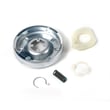
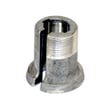
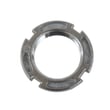
If your washer won’t agitate or spin, one common wear item on many Whirlpool-built Kenmore top-loaders is the motor coupling. On this model’s parts list, that’s the coupling 285753A.
Reading the model number correctly prevents ordering the wrong Kenmore washer parts and helps you troubleshoot faster (especially for drive, drain, and agitation problems).
Last updated: February 2026
How do I fix a low flow error on my washing machine?
A low flow (slow fill) error on your Kenmore 11092491210 washer means the tub is not filling fast enough. We fix it by confirming full water supply, clearing hose or screen restrictions, and then replacing the inlet valve if the washer still fills slowly.
- Make sure both hot and cold shutoff valves are fully open.
- Confirm the fill hoses are not kinked, crushed, or pinched behind the washer.
- Remove the hoses and rinse the small inlet screens at the washer connections (mineral buildup and sand are common).
- Verify your home has strong water pressure at the laundry faucets.
- If you use flood-safe hoses, check that their internal safety valves are not restricting flow.
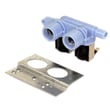
If the screens are clean and water pressure is good but the washer still fills slowly, the inlet valve can be sticking or restricted internally. For this model, the correct replacement is the inlet valve 285805.
| Symptom | Most likely cause | What we do |
|---|---|---|
| Slow fill on hot and cold | Clogged inlet screens or low house pressure | Clean screens; verify pressure |
| Slow fill on one temperature | One side of inlet valve failing or one hose restricted | Swap hoses to test; replace valve if needed |
| Fills, then stops and errors | Intermittent valve, debris shifting, or supply issue | Clean screens; replace valve |
Low flow errors are not just inconvenient; they can leave detergent undissolved, reduce cleaning performance, and cause cycle time to run long because the washer keeps trying to reach the correct water level.
If your washer is showing an unbalanced or load-related code along with filling issues, use our Kenmore top load washer ue and ue error codes guide to match the code to the right next step.
Last updated: February 2026
What is the UL code on the Kenmore 11092491210 washer?
On Kenmore washer model 11092491210, a UL code indicates the washer is detecting an unbalanced load and is limiting or stopping the spin to protect the drive system. Correcting load balance and making sure the washer sits level typically clears the code.
- Pause the cycle and redistribute items evenly around the basket.
- Remove a few items if the load is tightly packed or heavy on one side.
- Run a Spin cycle again after rebalancing.
- Confirm the washer is solid on the floor; adjust the leveling feet so it does not rock.
- Avoid washing a single bulky item alone (add a few towels to help balance).
A repeated UL code usually means the washer cannot stabilize the tub during spin. Check these common causes:
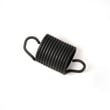
- Weak or stretched suspension: a worn suspension spring can let the tub swing too far.
- Drive system wear: slipping or worn drive components can make the basket speed up unevenly.
- Basket or hub issues: a loose drive block or basket hardware can contribute to wobble.
Helpful model-matched parts to consider if you find wear or damage:
| What you notice | Most likely cause | What to check |
|---|---|---|
| Loud banging during spin | Load out of balance or washer not level | Rebalance load; level feet |
| Tub leans or swings easily by hand | Weak suspension | Springs and mounting points |
| Spins start then stop repeatedly | Balance system cannot stabilize | Load size; suspension; drive wear |
Running with an unbalanced tub can damage the basket, clutch, gear case, and other drive components. Clearing the UL condition early helps prevent bigger repairs and keeps spin performance strong.
Last updated: February 2026
What is the life expectancy of a Kenmore washing machine?
A Kenmore washer typically lasts about 10 to 14 years. For your Kenmore model 11092491210, consistent maintenance (proper loading, correct detergent, and fixing small issues early) is what most often determines whether it reaches the high end of that range.
Most washers fall into a fairly predictable range when they are installed correctly and used normally.
| Washer type | Typical life expectancy | What usually ends it first |
|---|---|---|
| Top-load (direct-drive style) | 12 to 14 years | Drive system wear, leaks, out-of-balance damage |
| Front-load | 10 to 12 years | Bearing wear, door boot leaks, drain issues |
| Compact/portable | 8 to 12 years | Pump and suspension wear |
These are the most common “life reducers” we see across Kenmore washers:
- Overloading or washing heavy items (blankets, rugs) too often
- Chronic out-of-balance spinning, which stresses the suspension and tub
- Running with a small leak, which can damage the gear case and bearings
- Poor draining (slow drain, clogs), which overworks the pump
- Skipping basic cleaning (lint, residue, and mineral buildup)
A few habits and early repairs make a big difference.
- Keep loads evenly distributed; pause and re-balance if it starts banging
- Use the right amount of detergent; too much causes residue and odors
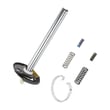
- If agitation gets weak or noisy, check wear items like the agitator dog 80040 and coupling 285753A
- If it will not drain or leaves water behind, inspect the washer drain pump WP3363394
- If it will not fill correctly or fills slowly, test the inlet valve 285805
A washer that is nearing end-of-life often costs more in repeat repairs (pump, coupling, clutch, gear case) than a single targeted fix. Catching symptoms early helps you avoid secondary damage and keeps cycles consistent.
Last updated: February 2026