Owner’s manual
 Error Codes


Do you remove cardboard from the bottom of a Whirlpool refrigerator?
No. On Whirlpool refrigerator model GI0FSAXVY012, the cardboard or fiberboard panel at the bottom rear is a protective cover and should stay in place. It helps direct airflow across the condenser area and shields wiring and components from damage.
What that bottom cardboard panel does
- Protects the condenser fan area, wiring, and tubing from bumps and debris
- Helps channel airflow so the refrigerator can cool efficiently
- Reduces the chance of rattles from loose items contacting moving parts
- Acts as a barrier to keep pets and dust away from components
When it is OK to remove it
You typically remove the panel only temporarily for cleaning or service, then reinstall it.
| Situation | Remove it? | What to do next |
|---|---|---|
| Cleaning condenser area | Yes, temporarily | Reinstall the panel exactly as it was |
| Diagnosing a fan noise | Yes, temporarily | Keep hands clear of moving parts, reinstall after |
| Normal day-to-day use | No | Leave it installed |
Quick checks if you are unsure what you are seeing
- Look for screws or clips holding the panel; that usually indicates it is meant to stay installed.
- Confirm it is at the bottom rear (not loose packing material inside the cabinet).
- If the panel is torn, warped, or missing, replace or reinstall it so airflow stays correct.
Why it matters
That cover is part of the refrigerator’s airflow and protection system. Running without it can lead to hotter operating temperatures, longer run times, and more dust buildup around the condenser area.
For panel location and access steps specific to your refrigerator, follow the GI0FSAXVY012 owner's manual.
Last updated: February 2026
Is a bottom mounted refrigerator good?
Yes. A bottom-mount refrigerator like the Whirlpool GI0FSAXVY012 is a great choice when you want everyday fresh-food items at eye level and a freezer drawer below. It typically improves convenience and organization, with the main tradeoff being a higher purchase price and a heavier freezer drawer.
What you get with a bottom-mount design
- Less bending for frequently used refrigerator shelves and crisper drawers
- Better visibility for fresh food (you open the refrigerator section most often)
- A wide freezer drawer that can hold bulky items (pizza boxes, bags of frozen food)
- Often more flexible refrigerator storage (adjustable shelves, bins)
- A modern layout that many households prefer for daily use
Common downsides to consider
- Freezer access requires bending or squatting more often
- Freezer drawers can feel heavy when fully loaded
- Some models have slightly less usable freezer organization unless you add bins
- If the door gaskets are not sealing well, temperature stability and efficiency can suffer
Quick comparison
| Feature | Bottom-mount refrigerator | Top-freezer refrigerator |
|---|---|---|
| Fresh-food access | Easier (eye level) | Requires more bending |
| Freezer access | Lower drawer | Upper door |
| Organization | Strong in fridge section | Strong in freezer section |
| Typical cost | Higher | Lower |
Why it matters
Most households use the refrigerator section far more than the freezer. With a bottom-mount layout, we keep the most-used items (milk, produce, leftovers) in the easiest-to-reach zone, which helps reduce door-open time and supports steadier temperatures.
Tips to keep performance strong
- Keep the doors sealing tightly; replace worn gaskets such as the refrigerator door gasket, left (gray) W10830055 when needed.
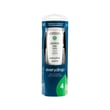
- Change the water filter on schedule if you use the dispenser or ice maker; the GI0FSAXVY012 uses the refrigerator water filter EDR4RXD1.
- Use the temperature settings and storage recommendations in the owner's manual.
Last updated: February 2026
How do I remove the base grille on my Whirlpool refrigerator?
To remove the base grille on your Whirlpool GI0FSAXVY012 bottom-mount refrigerator, pull the grille straight forward from the bottom front of the cabinet to release the retaining clips. If your grille uses screws, remove the screws first, then pull the grille forward.
Before you start
- Unplug the refrigerator or switch off power at the breaker (recommended if you will reach near wiring).
- Protect the floor with a towel or cardboard to prevent scratches.
- Use a flashlight to see the clip or screw locations.
- Keep screws in a cup so they do not get lost.
Step-by-step: removing the base grille
- Open both fresh food doors so you have room to work.
- Look along the top edge and ends of the grille for screws.
- If screws are present, remove them.
- Grip the grille near both ends and pull straight toward you.
- If it resists, pull from one end, then the other, to pop the clips free without cracking the plastic.
Reinstalling the base grille
Align the ends of the grille with the leveling leg areas, then press the grille in until it snaps into place. If your grille uses screws, reinstall and tighten them snugly (do not overtighten).
| What you see | What it usually means | What to do |
|---|---|---|
| No screws, grille “snaps” in | Clip-on grille | Pull straight forward to release clips |
| Screws at ends or along top | Screw-retained grille | Remove screws first, then pull forward |
| Grille won’t sit flat after reinstall | Misaligned tabs or leveling legs interfering | Re-seat the ends, then press across the top edge |
Why it matters
Removing the base grille gives access for cleaning and inspection around the condenser area and leveling legs. Keeping this area clear helps airflow and supports steady cooling performance.
For model-specific illustrations and access points, follow the cabinet and grille instructions in the GI0FSAXVY012 owner's manual.
Last updated: February 2026
What is the most common problem with Whirlpool refrigerators?
The most common Whirlpool refrigerator issue is poor cooling caused by restricted airflow or heat not being released properly, most often from dirty condenser coils. On your Whirlpool GI0FSAXVY012 bottom-mount refrigerator, start with coil cleaning and basic airflow checks, then move to fan and sealed-system symptoms using the GI0FSAXVY012 owner's manual.
Quick checks we recommend first
- Unplug the refrigerator before cleaning or inspecting moving parts.
- Clean condenser coils and the area around the condenser fan.
- Confirm the doors seal tightly and close on their own.
- Make sure vents inside the fresh food section are not blocked by food packages.
- Set temperatures to typical targets: 37°F fresh food, 0°F freezer.
- Listen for fans: you should typically hear an evaporator fan (inside) and a condenser fan (near the compressor) running at times.
Common causes and what you will notice
| Symptom | Most likely cause | What to do next |
|---|---|---|
| Fridge warm, freezer also warming | Dirty condenser coils or condenser fan problem | Clean coils; check for a running condenser fan; inspect for dust buildup |
| Freezer cold but fridge warm | Evaporator airflow issue (fan, frost buildup, blocked vents) | Check for strong airflow from vents; look for heavy frost on the back freezer panel |
| Clicking, humming, then stops cooling | Start device or compressor issue | If repeated clicking continues after coil cleaning, move to professional diagnosis |
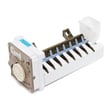
| Ice maker slow or not making ice | Water supply, filter restriction, or ice maker fault | Replace the filter and verify water flow; consider the refrigerator ice maker assembly WPW10300024 if the unit will not cycle |
Parts that commonly relate to these problems (for GI0FSAXVY012)
If troubleshooting points to a failed component, these model-matched parts are commonly involved:
- Refrigerator water filter EDR4RXD1 for low water flow, slow ice production, or dispenser issues
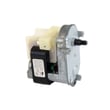
- Refrigeration appliance condenser fan motor W11613295 when the unit runs but cannot shed heat well
- Refrigerator ice maker assembly WPW10300024 when the ice maker will not harvest or cycle
- Refrigerator door gasket, left (gray) W10830055 if warm air leaks cause sweating, frost, or temperature swings
Why it matters
When coils are clogged or a fan is not moving air, the compressor runs longer and temperatures drift. Fixing airflow and heat removal early helps prevent food spoilage, reduces energy use, and avoids secondary issues like frost buildup and weak ice production.
Last updated: February 2026