Owner’s manual



What is the average lifespan of an LG dryer?
LG dryers (including model DLGX9001W) typically last 10 to 15 years with normal household use. Consistent airflow maintenance (lint screen and venting) and fixing wear parts early (belt, rollers, idler) are what most often push lifespan toward the longer end of that range.
What affects how long your DLGX9001W lasts
- Vent restriction (long runs, crushed duct, clogged hood) increases heat and wear
- Overloading strains the drum support system and belt
- High heat cycles used constantly can shorten sensor and thermostat life
- Delayed repairs (squeals, thumps, burning smell) can turn a small part issue into a bigger failure
- Moisture sensor buildup can cause longer run times and extra wear
Maintenance that adds years (simple, high impact)
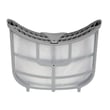
- Clean the lint screen every load; wash and dry it occasionally to remove film
- Check airflow at the outside vent; strong, steady flow matters
- Clean the vent duct periodically (more often with pets or heavy use)
- Keep loads balanced; avoid packing the drum tight
- Use sensor-dry cycles when possible to prevent over-drying
Common wear parts to watch (and why)
| Symptom | Most common wear area | What it usually means |
|---|---|---|
| Squealing or rumbling | Drum support and belt path | Roller or idler wear, belt glazing |
| Thumping | Drum support | Flat-spotted roller or drum support issue |
| Long dry times | Airflow and sensing | Vent restriction or sensor contamination |
| No heat (gas model) | Ignition and safety controls | Igniter or thermostat-related issue |
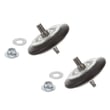
If you hear squealing or the drum feels harder to turn, the belt and support system are the first places we check; for this model that often includes the dryer drum belt 4400EL2001D and the dryer drum support roller 4581EL2002H.
Why it matters
A dryer can keep running past its “average” life, but restricted airflow and ignored noise are the two fastest ways to shorten it. Keeping the DLGX9001W running cooler and smoother reduces stress on the motor, thermostats, and drum support parts.
For model-specific care and cleaning steps, follow the DLGX9001W owner's manual.
Last updated: February 2026
What parts might cause an LG dryer to not heat?
For an LG DLGX9001W gas dryer that tumbles but does not heat, the most common part-related causes are a failed igniter, a gas valve problem, or a temperature-sensing safety part (thermistor or thermostat) opening the heat circuit. A restricted vent can also trigger overheating protection and stop heat.
Parts on the DLGX9001W that commonly affect heat
These parts are all tied directly to burner operation and temperature control:
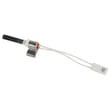
- LG dryer burner igniter 5318EL3001A (ignites the gas at the burner)
- Dryer gas valve AGM30063309 (opens to allow gas flow)
- Dryer thermistor AGM30045804 (reports temperature to the control)
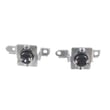
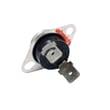
- Dryer high-limit thermostat 6931EL3003C or dryer high-limit thermostat 6931EL3004B (cuts heat if temperatures get too high)
- Dryer blower thermostat 6931EL3002M (helps regulate operating temperature)
Quick checks before replacing parts
We recommend these basic checks first because they often point to the right component:
- Confirm the dryer is set to a heated cycle (not Air Dry or No Heat).
- Clean the lint screen and make sure airflow at the outside vent hood is strong.
- Check for a crushed, kinked, or excessively long vent run.
- Listen during a heat call: a clicking sound with no ignition often points to the igniter or gas valve.
- If the dryer heats briefly then stops, suspect airflow restriction or a thermostat opening.
Symptom-to-part guide
| What you notice | Most likely direction | Parts to consider |
|---|---|---|
| Tumbles, never warms, no flame | Ignition or gas delivery issue | Igniter, gas valve |
| Heats for a short time, then goes cold | Overheat protection opening | High-limit thermostat, blower thermostat, venting |
| Temperature seems erratic, cycles poorly | Sensing/control issue | Thermistor, thermostats |
Why it matters
A no-heat condition is not just a comfort issue. Poor airflow and overheating can repeatedly trip safety thermostats, increase dry times, and put extra strain on the burner system and motor.
Helpful references
Last updated: February 2026
What are the main parts of a dryer?
For your LG DLGX9001W dryer, the main parts include the drum and drive system that tumbles clothes, the airflow and heating system that dries them, and the controls and sensors that regulate temperature and cycle time. For diagrams and component locations, use the DLGX9001W owner's manual.
Main dryer systems (and what they do)
- Drum and support: Holds laundry and tumbles it; supported by rollers and the front/rear bulkhead.
- Drive system: Motor turns the drum using a belt and idler pulley to keep proper tension.
- Airflow system: Blower wheel moves air through the drum and out the exhaust vent.
- Heat system (gas models): Burner and igniter create heat; thermostats and sensors prevent overheating.
- Sensing and controls: Moisture sensor, thermistor, and control board manage dryness and temperature.
Common parts you may replace on the DLGX9001W
These are some of the most frequently serviced components for this model:
- Drum support roller: dryer drum support roller 4581EL2002H
- Drum belt: dryer drum belt 4400EL2001D
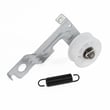
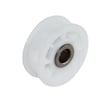
- Idler pulley/tensioner: dryer idler pulley 4560EL3001A or dryer idler assembly 4561EL3002A
- Temperature sensing: dryer thermistor AGM30045804
- Overheat protection: dryer high-limit thermostat 6931EL3003C
Quick “what does what” table
| Dryer part | What it affects | Common symptom when it fails |
|---|---|---|
| Drum belt | Drum rotation | Drum will not turn, thumping, burning rubber smell |
| Idler pulley/assembly | Belt tension | Squealing, belt slipping, drum stops mid-cycle |
| Drum support roller | Drum support | Rumbling, thumping, uneven drum movement |
| Thermistor/thermostat | Temperature control | No heat, overheating, shuts off early |
| Lint screen | Airflow | Long dry times, hot cabinet, poor drying |
Why it matters
Knowing which system is involved helps you troubleshoot faster. For example, long dry times usually point to airflow (lint screen, venting, blower), while noise often points to the drum support and drive parts.
Last updated: February 2026
What is the most common problem with LG dryers?
The most common issue we see on LG dryers like model DLGX9001W is poor airflow (lint buildup in the lint screen area, blower housing, or vent duct). Restricted airflow causes long dry times, overheating, and safety shutoffs; it can also lead to heat-related part failures over time. See the DLGX9001W owner's manual for cleaning and venting guidance.
Quick symptoms that point to airflow problems
- Loads take much longer than normal to dry
- Dryer feels hotter than usual on the outside
- Burning smell or very hot laundry at end of cycle
- Dryer stops mid-cycle or shuts off early
- Lint collecting around the door or lint screen opening
What to check first (in order)
- Lint screen: clean it every load; wash off fabric softener residue if it looks “waxy.”
- Vent duct and outside hood: remove lint clogs; fix crushed or kinked ducting.
- Blower area: lint can pack into the blower housing and restrict airflow.
- Load and cycle: avoid overloading; match cycle to fabric type.
- Moisture sensing: if auto cycles end too soon or run too long, the sensor bars may need cleaning.
Common secondary problems (often caused or worsened by airflow)
When airflow is restricted, the dryer runs hotter and longer, which stresses wear and heat-safety parts.
| Problem you notice | Common cause | Example part on this model |
|---|---|---|
| Thumping, squealing, rumbling | Worn drum support rollers or idler | Dryer drum support roller 4581EL2002H, dryer idler pulley 4560EL3001A |
| No heat or weak heat (gas) | Ignition or gas valve issues; also check venting first | LG dryer burner igniter 5318EL3001A, dryer gas valve AGM30063309 |
| Overheating or heat shuts off | Thermostats/temperature sensing reacting to high temps | Dryer high-limit thermostat 6931EL3003C, dryer thermistor AGM30045804 |
Why it matters
Good airflow is the foundation of dryer performance. It shortens dry times, reduces overheating, and helps protect key components like the drum belt, thermostats, and motor from unnecessary stress.
If you’re seeing an error code along with drying problems, use our LG dryer error codes guide to narrow the cause before replacing parts.
Last updated: February 2026