Owner’s manual
 View engine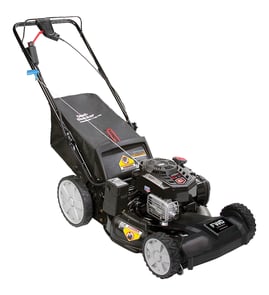


How to find Craftsman model number?
On the Craftsman rotary lawn mower model 917377291, the model number is printed on the mower’s identification label on the mower deck. On most walk-behind mowers, that label is on the rear of the deck near the lower handle mounting points; confirm the exact location in the 917377291 owner's manual.
Where to look on the mower
Check these common label locations first (clean the area if needed):
- Back of the deck, between or near the lower handle mounts
- Rear deck panel just above the discharge opening
- Top of the deck near the engine mounting area
- Side of the deck near the height adjuster
- Under the rear flap (if equipped)
Tips to read the label successfully
If the sticker is dirty or faded, these steps usually help:
- Brush off dry grass and debris first
- Wipe with a damp rag and mild soap; avoid harsh solvents
- Use a flashlight at a low angle to make faint text stand out
- Take a close-up photo and zoom in to read small characters
- Write down the full model number exactly as shown (numbers and punctuation)
Model number vs. engine model number
Your mower can have both a mower model number and an engine model number. Use the mower model number for deck, drive, and handle parts.
| What you’re identifying | Where it’s found | What it’s used for |
|---|---|---|
| Mower model number (example: 917377291) | Mower deck label | Mower parts diagrams and parts lookup |
| Engine model number (example shown in manual: 143.976500) | Engine shroud/label | Engine-specific parts (carburetor, recoil starter, ignition) |
Why it matters
Using the correct model number helps us match the right Craftsman parts the first time, especially for fit-critical items like a drive belt, blade adapter, or control cable.
Last updated: January 2026
Should I use 87 or 91 gas for lawn mower?
For the Craftsman rotary lawn mower model 917377291, we recommend using regular unleaded 87 octane in normal conditions. Higher octane (like 91) does not add power in a mower engine designed for regular fuel; the bigger priority is using clean, fresh gasoline and safe fueling practices listed in the 917377291 owner's manual.
What to use (and what matters more than octane)
- Use fresh, regular unleaded 87 octane.
- Avoid stale fuel; it is a common cause of “won’t start” and “loss of power” symptoms.
- Keep fuel clean and dry; water or dirt in fuel can cause running problems.
- Use a clean gas can; replace it if it starts to rust.
- Wipe up spilled gasoline before starting the engine.
Quick comparison: 87 vs 91 in a walk-behind mower
| Fuel choice | What you get | Best use case |
|---|---|---|
| 87 octane (regular) | Correct fuel for most mower engines | Everyday mowing |
| 91 octane (premium) | No performance gain in a regular-fuel mower | Only if it is the only fresh fuel available |
Fuel handling tips we follow for this model
- Check the fuel tank before starting and refuel only when the engine is cool.
- Do not store gasoline from one season to another.
- If the mower has been sitting, drain/replace old fuel and consider a basic tune-up (spark plug, air filter, fresh oil).
Why it matters
Most mower “fuel problems” are not caused by octane; they are caused by stale gasoline, water contamination, or dirty containers. Using the right fuel and keeping it fresh helps prevent hard starting, rough running, and power loss.
Last updated: January 2026
What is the average lifespan of 917377291?
A Craftsman rotary walk-behind mower like model 917377291 has an average lifespan of 8 to 12 years with normal residential use and routine maintenance (oil changes, blade care, and clean storage). Following the maintenance schedule in the 917377291 owner's manual keeps wear items from shortening that lifespan.
What most affects lifespan on this mower
The mower’s deck, engine, and self-propel drive system last longest when we keep friction, heat, and corrosion under control.
- Change engine oil on schedule and use the correct viscosity for your temperatures
- Keep the underside of the deck clean to prevent rust and poor airflow
- Sharpen or replace the blade when it’s nicked or bent
- Avoid running the drive system with a slipping belt
- Store with stabilized fuel and a clean, dry deck
Typical lifespan by use and care
| Use pattern | Typical lifespan | What usually ends it first |
|---|---|---|
| Light use, well maintained | 10 to 12 years | Normal engine wear, deck corrosion |
| Average use, basic maintenance | 8 to 10 years | Drive wear, blade impacts, deck rust |
| Heavy use, minimal maintenance | 5 to 8 years | Engine wear, drive failures, corrosion |
Maintenance items that extend life
These are the most common “life extenders” on a self-propel Craftsman mower.
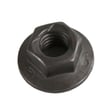
- Keep blade hardware tight to spec; the manual lists 35 to 40 ft-lbs for blade bolt torque
- Replace a worn drive belt if self-propel slows or slips; use the correct belt 532157769
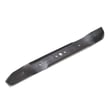
- Replace a damaged blade to reduce vibration and crankshaft stress; use the correct lawn mower mulching blade 532406713
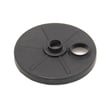
- Keep wheels rolling freely; replace a cracked or wobbly wheel with lawn mower wheel 532150341
Why it matters
Most premature mower failures come from vibration (blade issues), overheating (dirty deck and old oil), and drive strain (slipping belt). Fixing those early costs less than replacing major assemblies.
Last updated: March 2026