Installation guide
 Owner’s manual



What is the most common problem with whirlpool washers?
For the Whirlpool WFW70HEBW1 front-load washer, the most common service issues we see are drain problems (won’t drain or leaves clothes wet), door lock/door won’t start, and leaks or odors. Many of these trace back to oversudsing, a restriction in the drain path, or wear in sealing components; see the WFW70HEBW1 use & care manual.
- Washer won’t drain / clothes still wet: kinked or clogged drain hose, standpipe issues, or a failing drain pump
- Door won’t lock or washer won’t start: door not fully closed, latch/lock failure, or an interrupted cycle state
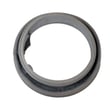
- Leaks at the front: debris or wear at the door boot (bellow) seal
- Excess suds (“Sd”): non-HE detergent or too much detergent (can also cause long cycles and poor draining)
- Vibration or “walking”: unbalanced load, leveling feet not set, or shipping materials not removed after install
- Use HE detergent only and reduce the amount if you see suds or longer-than-normal cycles.
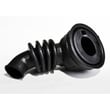
- Run Drain & Spin; if draining is slow, inspect the drain path and pump area.
- Confirm the drain hose setup matches the install requirements; see the WFW70HEBW1 installation instructions.
- Check the door seal for small items, residue, or tears.
- If the washer displays an error code, use the troubleshooting section in the manual to match the code to the fix.
| Symptom | Part that often relates | Example from this model’s parts list |
|---|---|---|
| Won’t drain / drain error | Drain pump | Washer water pump WPW10391443 |
| Door won’t lock / won’t start | Door lock | Washer door lock WPW10443885 |
| Leaks at door / odors | Door boot (bellow) | Washer bellow W11106747 |
Catching drain restrictions, oversudsing, and door-seal wear early helps prevent repeat error codes, wet loads, and water damage. On HE front-load washers like the WFW70HEBW1, detergent choice and drain setup make a bigger difference than most people expect.
Last updated: January 2026
Is 4.5 cu ft a large washer?
Yes. In home washers, 4.5 cu. ft. is widely considered a large capacity size. For the Whirlpool WFW70HEBW1 specifically, we can’t confirm the exact tub capacity from the model’s provided documents, so treat 4.5 cu. ft. as a general size category and use the loading guidance in the WFW70HEBW1 use & care manual.
A 4.5 cu. ft. washer typically handles bigger loads and bulky items more comfortably because there’s more room for tumbling and rinsing.
Common loads that usually fit well:
- Family-size mixed loads
- Multiple bath towels
- Bedding (sheets and many comforters, depending on thickness)
- Bulky items that need space to move freely
Even with a large drum, overpacking can cause poor cleaning, excess suds, and vibration.
We recommend:
- Load loosely; don’t pack items down
- Mix large and small items to help balance the load
- Leave space at the top so items can tumble freely
- Use only HE detergent and measure carefully
| Load size | How full to fill the drum | Typical use |
|---|---|---|
| Small | About 1/4 full | A few items, quick loads |
| Medium | About 1/2 full | Everyday laundry |
| Large | About 3/4 full | Towels, mixed family loads |
| Extra-large | Full but tumbling freely | Bulky items |
Correct capacity expectations and proper loading help your Whirlpool washer clean and rinse better, shorten dry time with a stronger spin, and reduce issues like out-of-balance spinning and “Sd” (suds) conditions.
Last updated: January 2026
How do I prevent future F7E1 errors?
On the Whirlpool WFW70HEBW1 washer, preventing repeat F7E1-type drive/motor errors starts with reducing load strain (overloading, imbalance) and preventing excessive suds that can disrupt sensing and motor operation. Follow the loading and maintenance guidance in the WFW70HEBW1 use & care manual.
- Use only HE detergent and measure carefully; too much detergent can cause excessive suds.
- Load loosely so items tumble freely; avoid tightly packing the drum.
- Mix large and small items; avoid washing a single heavy item by itself.
- Match cycle and spin speed to the fabric; avoid high spin on bulky, unbalanced loads.
- Remove items promptly; leave the door slightly ajar so the tub and bellow can dry.
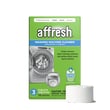
Whirlpool recommends routine cleaning to reduce residue buildup that can contribute to performance issues.
- Run the Clean Washer cycle about once per month or every 30 washes.
- Inspect and wipe the door seal for residue or trapped items.
- Remove and wipe the dispenser drawer to prevent detergent buildup.
If the error returns after you correct loading and detergent habits, the washer may be detecting an abnormal condition that affects motor performance (such as incorrect water level sensing or restricted draining). These model-compatible parts are common checkpoints:
| What you notice | What to check next | Example compatible part |
|---|---|---|
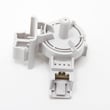
| Overfilling, underfilling, or inconsistent water levels | Pressure sensing system and air hose | Washer water-level pressure switch WPW10448876 and hose W11044559 |
| Slow drain, standing water, or drain-related interruptions | Drain pump and drain path for blockage | Amana washer drain pump filter W10391445 |
F7E1-style errors typically occur when the control does not sense the motor turning as expected. Proper loading, correct HE detergent use, and routine cleaning reduce the conditions that make the washer stop the cycle to protect the drive system.
Last updated: January 2026