 Installation guide



What is the most common problem with a Frigidaire dishwasher?
The most common problem we see on Frigidaire dishwashers like model FDB130RGS3 is poor wash performance caused by restricted water flow (clogged spray paths, buildup, or low fill). Close behind are draining issues and leaks around the door area.
- Dishes come out dirty or gritty: spray arm holes blocked, loading blocking spray, or low water fill
- Water left in the bottom: drain path restriction, kinked drain hose, or a weak drain pump
- Leaks at the front/bottom of the door: worn lower door seal or splash shielding
- Won’t fill or fills slowly: inlet valve screen clogged or household supply issue
- Stops mid-cycle or acts “dead”: door not fully latched, float/overfill protection triggered
- Confirm the unit is level; dishwashers wash and drain best when properly leveled (level side-to-side and front-to-back). See the FDB130RGS3 installation guide.
- Check for kinked hoses; kinked water or drain hoses cause filling and draining problems.
- If connected to a disposer, make sure the disposer inlet plug is knocked out (first-time hookup issue).
- Turn off water, then flush the supply line before reconnecting; this helps prevent clogging the inlet valve screen.
| Symptom | Common fix | Example part for this model |
|---|---|---|
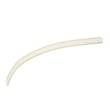
| Leaks at door bottom | Replace lower door seal | Gasket 809006501 |
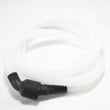
| Not draining well | Replace drain hose or drain pump | Hose 807117001, dishwasher drain pump A00126501 |
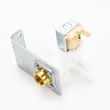
| Not filling or low fill | Clean inlet screen; replace valve if needed | Dishwasher water inlet valve 154637401 |
Poor cleaning, draining, and leaking usually share the same root cause: water flow. When the dishwasher cannot fill, circulate, or drain correctly, you get dirty dishes, standing water, odors, and potential cabinet damage.
Last updated: February 2026
What is the average lifespan of a Frigidaire dishwasher?
A Frigidaire dishwasher typically lasts 7 to 10 years. With consistent cleaning, correct detergent use, and prompt repair of leaks or draining issues, many units reach the upper end of that range. For your Frigidaire FDB130RGS3, good installation and maintenance habits make the biggest difference.
- Water quality: hard water speeds up mineral buildup on the heater, spray arms, and valves.
- How often you run it: multiple loads daily wears pumps, seals, and racks faster.
- Heating and drying performance: weak heating can leave moisture behind and increase residue.
- Leaks and door sealing: even small leaks can damage components and shorten life.
- Proper installation: correct electrical supply, hot water temperature, and drain routing reduce strain on the machine.
- Clean the filter area and check the sump for debris monthly.
- Inspect the door sealing surfaces; replace a worn lower seal if you see drips (example: gasket 809006501).
- Make sure the drain hose is not kinked and the sink/disposer connection is clear.
- Run a dishwasher cleaner periodically to reduce grease and mineral buildup.
- Confirm hot water is at least 120°F and household water pressure is typically 20 to 120 psi (common installation targets).
| Usage pattern | Typical lifespan | What usually fails first |
|---|---|---|
| Light (1 to 3 loads/week) | 9 to 12 years | racks, door seal, minor leaks |
| Average (4 to 7 loads/week) | 7 to 10 years | drain pump, inlet valve, heater |
| Heavy (2+ loads/day) | 5 to 8 years | pump/motor, seals, controls |
Knowing the typical lifespan helps you decide when a repair (like a drain pump, water inlet valve, or door gasket) is a smart fix versus when planning for replacement makes more sense.
For model-specific installation requirements that protect long-term reliability (electrical circuit, drain routing, and water supply details), use the FDB130RGS3 installation guide.
Last updated: February 2026
Can I replace dishwasher parts myself?
Yes, for the Frigidaire FDB130RGS3 dishwasher, we can replace many common parts ourselves if we shut off power and water first and follow the correct steps. Jobs involving wiring, leak points, or mounting the unit require extra care and close attention to the FDB130RGS3 installation guide.
Many repairs are straightforward, but anything that involves electrical connections, water supply lines, or pulling the dishwasher out of the cabinet raises the difficulty.
Usually DIY-friendly
- Replacing a worn door seal such as the gasket 809006501
- Swapping a clogged or cracked drain line such as the hose 807117001
- Replacing a damaged rack wheel such as the dishwasher dishrack roller, lower 5304532229
- Replacing a spray component if it is damaged or not turning freely
Usually higher-risk
- Wiring work inside the junction box (hot/neutral/ground connections)
- Water inlet and drain pump replacements (leak risk and access)
- Any repair that requires removing the outer door panel or adjusting door springs
- Turn off power at the breaker (not just the dishwasher controls)
- Shut off the water supply valve
- Protect hands from sharp metal edges (gloves help)
- Keep water, drain, and electrical lines routed away from the motor area
- Confirm the dishwasher is secured so it cannot tip when the door opens
| Repair type | Typical time | Skill level | Common tools |
|---|---|---|---|
| Door seal or rack roller | 15 to 45 min | Basic | Screwdriver, pliers |
| Drain hose | 30 to 90 min | Basic to intermediate | Pliers, towel/bucket |
| Junction box wiring or anchoring | 60 to 120 min | Intermediate | Screwdriver, wire connectors |
A dishwasher must be level, securely fastened, and correctly routed for water, drain, and electrical lines. Doing those steps right prevents tipping when the door opens and helps avoid leaks and electrical hazards.
Last updated: February 2026
What are the commonly replaced parts in a dishwasher?
In a Frigidaire dishwasher like model FDB130RGS3, the most commonly replaced parts are the ones that control water flow, sealing, heating, and draining: door gaskets, drain hoses, water inlet valves, heating elements, pumps, and wear items such as racks and rollers.
These parts fail most often because of leaks, clogs, heat stress, or normal wear:
- Door seals and splash shields (stop leaks at the door)
- Drain hose and clamps (fix slow or no-drain problems)
- Water inlet valve and float switch (fix fill problems or overfilling)
- Heating element and hardware (fix poor drying and low wash temperature)
- Drain pump or pump seals (fix standing water and pump leaks)
- Racks and rollers (fix broken wheels, rusting, or poor rack movement)
If you are troubleshooting a specific symptom, these FDB130RGS3 parts are common matches:
| Symptom | Parts to check first | What usually happens |
|---|---|---|
| Water on floor at door | Gasket 809006501, gasket 154701001 | Seal is torn, flattened, or not seating evenly |
| Not draining | Hose 807117001, dishwasher drain pump A00126501 | Hose kink/clog, pump jam, or weak pump motor |
| Not filling or fills wrong | Dishwasher water inlet valve 154637401, switch 154773201 | Valve screen clogged, valve coil failed, float switch stuck |
| Not drying well | Heater 154665201 | Heater not heating, leading to wet dishes |
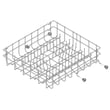
| Rack won’t roll smoothly | Dishwasher dishrack roller, lower 5304532229 | Roller worn, cracked, or missing |
Replacing the right part first saves time and prevents repeat failures. For example, a “not draining” complaint is often a hose routing or clog issue before it is a drain pump problem.
We recommend these fast checks to narrow the failure:
- Confirm the dishwasher is level and securely fastened (tilting can affect door sealing)
- Look for kinks in the drain line and water line
- Check for obvious door seal damage and debris along the sealing surface
- Listen for the drain pump running during the drain portion of the cycle
- Verify the unit is anchored correctly so the door opens without shifting
For installation-related checks (routing lines, anchoring, and final inspection items), use the installation guide.
Last updated: February 2026





