 Owner’s manual


What is the capacity of the GE washer gtw460asj6ww?
The GE GTW460ASJ6WW top-load washer has a 4.2 cu. ft. capacity, which is the usable tub volume for washing typical household loads. For loading guidance and cycle recommendations (Normal, Speed Wash, Drain & Spin), use the GTW460ASJ6WW owner's manual.
A 4.2 cu. ft. washer is designed for medium-to-large loads. To get the best cleaning and spin performance, we recommend loading loosely and leaving room for items to move during agitation.
- Mix large and small items to help balance the basket
- Load items evenly around the agitator (do not pack tightly)
- For bulky items, wash 1-2 pieces at a time (example: comforter, blanket)
- If the load ends wetter than normal, redistribute and run Drain & Spin
- Use the cycle that best matches fabric type and soil level
Capacity is the tub size; the water level is controlled by the cycle and options. This model uses automatic load sensing, and some cycles allow higher fill options.
| What you change | What it impacts | What you may notice |
|---|---|---|
| Cycle selection | Wash action and timing | Different agitation and total cycle time |
| Soil level / spin selection | Cleaning intensity and water extraction | Better cleaning or drier clothes |
| Deep Fill (when available) | Water level | More water for bulky loads |
Using the right load size for a 4.2 cu. ft. basket helps prevent out-of-balance spinning, reduces wear on suspension components, and improves rinse and spin results.
Last updated: February 2026
What is the most common problem with GE washers?
The most common problems we see with GE washers like model GTW460ASJ6WW are draining issues (slow drain or no drain), filling problems (low water flow or no fill), and out-of-balance spinning. Many of these trace back to a clogged drain path, restricted inlet screens, or worn suspension components; see the GTW460ASJ6WW owner's manual for model-specific troubleshooting steps.
- Won’t drain or drains slowly: water left in the tub, cycle stops before spin
- Won’t fill or fills slowly: “Fill” light behavior, long fill times, weak flow
- Out-of-balance / excessive vibration: banging, walking, wet clothes at end of cycle
- Won’t start or won’t spin: lid-related safety lockouts, start sequence interruptions
- Too many suds: poor rinsing, pauses during spin, longer cycle behavior
- Confirm both hot and cold faucets are fully on.
- If water flow is weak, clean the inlet hose screens and washer valve screens (turn water off first).
- Make sure the lid is fully closed; the washer will not fill or start with the lid open.
- If the washer seems “stuck,” unplug for 2 minutes, plug back in, then press Start.
- If clothes are too wet, redistribute the load and run Drain & Spin.
If the basic checks don’t fix it, these model-matched parts are frequent fixes:
| Symptom | Common suspect part | Why it matters |
|---|---|---|
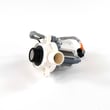
| No drain / slow drain | Washer drain pump assembly WH23X28418 | A weak or jammed pump can’t evacuate water for spin. |
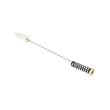
| Banging, off-balance, wet loads | Washer suspension rod and spring assembly WH16X26911 | Worn suspension lets the tub swing and triggers imbalance. |
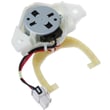
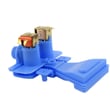
| No fill / low flow after screen cleaning | Washer water inlet valve assembly WH13X26535 | A failing valve can restrict or stop water flow. |
Drain, fill, and balance problems can prevent the washer from reaching high-speed spin, which leaves clothes wet and can make cycles run longer. Fixing the root cause (water flow, drain path, or suspension) restores normal sensing, agitation, and spin performance.
Last updated: February 2026
How many years should a GE washing machine last?
A GE washer like model GTW460ASJ6WW typically lasts 10 to 14 years with normal household use and routine care. Consistent maintenance (especially hoses, cleaning, and avoiding overloads) is what most often separates a shorter lifespan from a longer one.
- Water supply hoses: replace about every 5 years to reduce the risk of hose failure and water damage (a common washer-ending event).
- Load size and balance: frequent overloading or unbalanced loads increases wear on suspension, drive, and bearings.
- Drain performance: slow draining strains the pump and can lead to standing water and odors.
- Detergent habits: too much detergent can cause residue buildup and poor rinsing.
- Moisture control: leaving the lid closed all the time can trap moisture and contribute to odor and buildup.
| Task | How often | Why it matters |
|---|---|---|
| Replace water supply hoses | Every 5 years | Prevents leaks and sudden hose failures |
| Wipe spills and clean basket as needed | Monthly or as needed | Reduces residue and odor |
| Leave lid open after loads | Ongoing | Helps moisture evaporate |
| Check fill and drain performance | Ongoing | Catches valve or pump issues early |
In the 10 to 14 year window, repairs are usually worthwhile when the fix is a common wear part and the washer is otherwise in good shape.
Common, fixable issues on this model include:
- Not draining or draining slowly: washer drain pump assembly WH23X28418
- Not filling or filling incorrectly: washer water inlet valve assembly WH13X26535
- Excessive shaking or banging: washer suspension rod and spring assembly WH16X26911
- Won’t spin or has drive noise: washer drive belt WH01X24697
A washer’s “life” is often determined by preventable failures (like worn hoses or chronic overloading) rather than the control board or motor. Following the care guidance in the owner's manual helps you get the full expected service life from your GE GTW460ASJ6WW.
Last updated: February 2026


