Error Codes


Do they make Kenmore washers anymore?
Yes, Kenmore washers are still sold today; Kenmore is a brand name, and the washers are built for Kenmore by major manufacturers. Your Kenmore model 11091550100 is an older, Whirlpool-built style top-load washer, and we still support it with replacement parts such as the coupling 285753A.
What “Kenmore” means today
Kenmore-branded washers are still available, but Kenmore typically does not manufacture the machines themselves. Instead, different production partners build washers to Kenmore’s specifications, and the model number format helps identify the platform and parts family.
Common ways this affects you
- Parts and repair procedures depend on the model number, not just the Kenmore name
- Two Kenmore washers can look similar but use different pumps, motors, or timers
- The first digits of the model number often point to the manufacturing platform
- Older Kenmore models (like 110...) commonly share designs with Whirlpool-built units
How this relates to Kenmore 11091550100 parts and repairs
For the Kenmore 11091550100 washer, many common repairs are still very serviceable because core drive and drain components remain available.
| Symptom | Common area to check | Example part for this model |
|---|---|---|
| Won’t spin or agitate | Drive connection | Coupling |
| Won’t drain | Drain system | Water pump |
| Loud during spin | Drive/brake/clutch system | Clutch |
| Won’t start or stops mid-cycle | Lid/drive controls | Switch or timer |
Why it matters
Knowing that Kenmore is a brand (with multiple manufacturing platforms) keeps you from ordering the wrong washer parts. Matching parts to 11091550100 is the fastest way to get the correct fit and restore proper wash, drain, and spin performance.
Last updated: February 2026
How can I tell how old my Kenmore washer is?
You can tell the age of your Kenmore washer model 11091550100 by finding the model and serial tag and decoding the serial number date code. Many Kenmore 110-series washers were built by Whirlpool; the serial typically includes a year digit plus a week (or month) code that indicates the build date.
Where to find the serial number on model 11091550100
Check these common locations on a Kenmore top-load washer:
- Under the lid on the top rim of the washer opening
- On the back of the cabinet
- On the frame near the lid switch opening
- Inside the control console area (less common)
How to decode the serial date code (common Kenmore 110 format)
A common format uses a single-digit year code and a two-digit week code (01 to 52) early in the serial number.
- Year code: one digit that represents the year within a decade
- Week code: two digits that represent the production week
- Decade: determined by the washer’s styling and features (for example, a “3” could be 1993, 2003, or 2013)
Example (what the digits mean)
| Serial snippet (example) | Year code | Week code | Meaning |
|---|---|---|---|
… 9 14 … |
9 | 14 | Built in week 14 of a year ending in 9 |
… 3 02 … |
3 | 02 | Built in week 2 of a year ending in 3 |
If you’re troubleshooting at the same time
If your top-load Kenmore 110 washer is also showing an error code or acting out of balance, use the steps in Kenmore 110 vmax top load washer error codes.
Why it matters
Knowing the manufacture date helps us:
- Match the correct replacement parts to your exact production run
- Decide whether a major repair is worth it based on age
- Prioritize common wear items (drive system, drain pump, motor coupler)
Last updated: February 2026
How to force a Kenmore Elite washer to drain?
On the Kenmore washer model 11091550100, we force a drain by first cutting power, then manually removing water through the drain path (hose or pump) so the tub can empty safely. Most “won’t drain” problems come from a clog at the pump, a kinked hose, or a failed drain pump.
Fast, safe steps to get the water out
- Unplug the washer (or switch off the breaker).
- Turn off both water supply valves.
- If the tub is full, bail out water into a bucket first to reduce spills.
- Pull the washer forward and check the drain hose for kinks, crushing, or a clogged standpipe.
- If the hose is clear, access the pump and check for debris (coins, socks, lint) in the pump inlet/outlet.
- If the pump hums but does not move water, the impeller is typically jammed or worn.
Parts that commonly fix a no-drain issue
If you find the pump is seized, leaking, or the impeller is damaged, replacement is the reliable fix.
| Symptom | Most likely cause | What to check next |
|---|---|---|
| Washer won’t drain, motor runs | Pump jammed | Debris in pump ports, impeller movement |
| Washer won’t drain, no pump sound | Electrical/control issue | Lid switch, wiring, timer output |
| Drains slowly | Partial clog | Hose, pump inlet, standpipe restriction |
Helpful model-matched part to consider: water pump WP3363394.
Why it matters
Forcing a drain the right way prevents overflow, protects the drive motor, and avoids water damage. Clearing the drain path also restores proper spin performance, since this style of Kenmore top-load washer will not spin out correctly if it cannot pump water out.
Last updated: February 2026
How to identify a Kenmore washer model?
To identify your Kenmore washer model, we look for the model/serial tag on the washer cabinet. On Kenmore model 11091550100, it’s most often on the back of the control panel, under the lid opening, or on the cabinet side near the bottom; front-loaders commonly place it in the door opening.
Where to look first
- Top-load washer: lift the lid and check the rim under the lid opening
- Control console: check the back of the control panel (or inside the console area)
- Main cabinet: check the left or right side panel near the bottom edge
- Front-load washer: check behind the door or on the door jamb
- Rear panel: check the back of the cabinet near the power cord and hoses
What the model number looks like (and why it matters)
Kenmore washer model numbers are typically a long numeric string (often starting with 110 on many Kenmore-built-by-Whirlpool designs). Using the exact model number helps us match the correct washer parts, diagrams, and fit-tested replacements.
| What you see on the tag | What it’s used for | Example for this page |
|---|---|---|
| Model number | Finds the correct parts list and diagrams | 11091550100 |
| Serial number | Identifies production run details | Varies by unit |
| Type/series (if shown) | Helps narrow design family | Varies by unit |
Tips to avoid common mix-ups
- Copy the model number exactly; include all digits (no spaces).
- If the tag is worn, take a clear photo and zoom in to confirm characters.
- Use the model number (not the timer dial markings) when ordering parts.
- If you’re troubleshooting a no-spin or no-agitate issue after identifying the model, common wear items on this design include the coupling 285753A and water pump WP3363394.
Why it matters
A single digit difference can change the drive system, timer, or pump style; matching the exact Kenmore model number prevents ordering the wrong coupling, clutch, or mixing valve.
Last updated: February 2026
How to reset Kenmore washer model 11091550100 top loader?
To reset your Kenmore top-load washer model 11091550100, we recommend doing a simple power reset: unplug the washer for 5 minutes, then plug it back in and try a cycle again. This clears many temporary control and motor-protection states.
Quick reset steps (power reset)
- Turn the cycle selector to Off.
- Unplug the washer from the wall outlet.
- Wait 5 full minutes (not 30 seconds).
- Plug the washer back in.
- Select a Rinse/Spin or Drain/Spin type cycle and start it.
If it still will not start after the reset
These checks target the most common “no start” causes on Kenmore 110-series top loaders.
- Confirm the outlet has power (test with a lamp).
- Make sure the lid is fully closed; a lid switch problem can prevent agitation and spin.
- If the washer fills but will not agitate or spin, inspect the motor coupling; the coupling 285753A is a common wear item.
- If the washer will not drain or stops mid-cycle with water left in the tub, check for a clog or a failing pump; the water pump WP3363394 is the typical fix when the pump is seized or leaking.
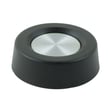
- If the timer knob slips or the timer does not advance, the timer knob WP3362624 can be the issue.
What the reset does (and does not) do
| Reset type | What it helps | What it will not fix |
|---|---|---|
| Unplug 5 minutes | Glitches, stuck cycle logic, motor overload protector cooldown | Broken lid switch, stripped coupling, failed pump, worn clutch |
Why it matters
A power reset is the fastest safe first step because it restores normal control operation without disassembly. If the symptom comes back immediately, the washer usually has a mechanical or electrical fault (drain, drive, lid switch, timer) that needs troubleshooting and possibly a replacement part.
Last updated: February 2026
Is it worth repairing a Kenmore washing machine?
Yes, repairing a Kenmore washer is worth it when the fix restores reliable wash and spin performance for less than the cost of replacing the machine. For Kenmore model 11091550100, many common failures are repairable with standard drive and drain parts, so a targeted repair often makes financial sense.
Quick way to decide (cost vs. benefit)
Use this checklist to make a clear call before you spend money:
- Repair it if the washer fills, drains, and the tub is solid, but it will not agitate or spin.
- Repair it if the problem is a single wear part (coupling, clutch, pump, lid switch).
- Repair it if the washer is not leaking from the tub center and the cabinet is not rusted through.
- Consider replacement if the tub seal/bearing area is leaking heavily or the gear case is failing loudly.
- Consider replacement if multiple major systems are failing at once (drive, drain, and controls).
Common repairs that are usually “worth it” on 11091550100
These are frequent, straightforward fixes on many Kenmore 110-style top-load washers:
| Symptom | Likely area | Example part for this model |
|---|---|---|
| Motor runs but washer will not agitate/spin | Motor-to-transmission drive | Coupling 285753A |
| Spins weakly or slips, burning smell | Spin drive/clutch | Clutch 285785 |
| Will not drain or drains slowly, may hum | Drain system | Water pump WP3363394 |
| Stops when lid opens, will not spin with lid closed | Lid safety circuit | Switch 285671 |
Why it matters
A repair that restores spin and drain performance prevents repeat issues like soaking-wet loads, long cycle times, and strain on the drive motor. On a mechanical top-load design like the Kenmore 11091550100, replacing a single failed drive or drain part often returns the washer to normal operation for years.
Practical tips before you buy parts
- Unplug the washer and check for a jammed pump (coins, socks) before replacing parts.
- If it will not spin, confirm the lid switch clicks and the actuator is aligned.
- If it agitates but will not spin, inspect the clutch and drive block area for wear.
- If it will not agitate or spin at all, the motor coupling is a top suspect.
Last updated: February 2026
What is the average lifespan of a Kenmore washer?
A Kenmore washer typically lasts 10 to 15 years. For Kenmore model 11091550100, reaching the high end of that range usually comes down to load size, leveling, and keeping the drive and drain systems working smoothly.
Typical lifespan and what changes it
Most washers fail early from a few common wear areas. These are the biggest factors we see:
- Overloading (stresses the drive system and suspension)
- Out-of-balance loads (increases vibration and tub wear)
- Drain restrictions (forces the pump to work harder)
- Hard water and detergent buildup (can affect valves and seals)
- Worn drive components (coupler, clutch, drive block)
Quick maintenance habits that add years
These simple habits help a top-load Kenmore washer like 11091550100 last longer:
- Keep loads evenly distributed; mix large and small items
- Avoid packing the basket tight; leave room for clothes to move
- Check hoses and connections for seepage; address leaks quickly
- If it will not drain well, inspect the pump area and drain path
- If agitation or spin gets weak, inspect common drive wear parts
Parts that commonly affect longevity (and symptoms)
If performance changes, these parts are frequent culprits on many Kenmore top-load designs:
| Symptom | Common cause | Example part for this model |
|---|---|---|
| Washer will not spin or agitate | Worn motor-to-transmission coupler | Coupling 285753A |
| Slow or no draining | Clogged or failing drain pump | Water pump WP3363394 |
| Burning smell, weak spin | Worn clutch | Clutch 285785 |
Why it matters
A washer that is vibrating, not draining, or slipping in spin usually wears out other components faster. Fixing the root cause early often prevents bigger repairs like gear case or tub damage.
Last updated: February 2026
What is the cubic feet capacity of a Kenmore washer model 11091550100?
The Kenmore washer model 11091550100 is a Whirlpool-built, direct-drive top-load washer; most washers in this design family run about 3.2 to 3.5 cu. ft. capacity. For an exact number, we match capacity by the model’s tub and basket configuration.
What you can expect for this Kenmore 110-series washer
Because no model-specific capacity spec is provided here, we use the most common capacity range for this Kenmore 110 direct-drive platform.
- Typical capacity range: 3.2 to 3.5 cu. ft.
- Best for: everyday mixed loads, towels, and jeans (not oversized comforters)
- Load style: fill to the top of the basket with dry items, then level off (do not pack)
- If loads seem small: check water level selection and cycle choice
- If loads seem too large: reduce fill height to keep agitation effective
Quick sizing guide (what fits comfortably)
| Load type | Typical “comfortable” load size | Notes |
|---|---|---|
| Mixed clothes | 1/2 to 3/4 full | Keeps turnover and cleaning strong |
| Bath towels | 6 to 10 towels | Add a few small items to balance |
| Queen comforter | Usually too bulky | Many need a larger-capacity washer |
Why capacity can vary within “110” models
Even within Kenmore 110 top-load washers, capacity changes with basket diameter, tub depth, and whether the machine uses a standard or larger basket.
- Basket size and depth
- Agitator style and clearance
- Suspension setup and maximum safe load weight
- Cycle design (water level and agitation pattern)
Parts that affect usable space and performance
If the washer is not cleaning well or seems to struggle with larger loads, these common wear items can reduce performance even when capacity is unchanged:
- Coupling 285753A (motor-to-transmission drive)
- Clutch 285785 (spin engagement)
- Water pump WP3363394 (draining performance)
Why it matters
Knowing the realistic capacity helps prevent overloading, improves cleaning, and reduces strain on the drive system, clutch, and suspension.
Last updated: February 2026
What is the most expensive part to replace on a washing machine?
On a Kenmore washer like model 11091550100, the most expensive repairs are typically major drive-system or tub-related components, because the parts cost is high and labor is time-consuming. Common “big ticket” items include the gearcase/transmission, drive motor, and basket drive.
Most expensive parts (typical cost drivers)
These are the repairs that most often reach several hundred dollars when you include parts plus labor:
- Gearcase/transmission: complex internal mechanism; often replaced as an assembly
- Drive motor: higher part cost and requires significant disassembly (see drive motor WP661600)
- Basket drive and spin components: can involve multiple parts and deep teardown
- Tub and seal/bearing repairs: labor-heavy; leaks can damage other components (see washer bearing and seal kit 285203)
- Timer or control components: can be pricey depending on design and availability
Quick comparison: what’s usually “most expensive” and why
| Part/system | Why it gets expensive | What you might notice |
|---|---|---|
| Gearcase/transmission | High part cost; major teardown | Grinding, no spin, weak agitation |
| Drive motor | Expensive motor; access time | Hums, won’t start, intermittent operation |
| Tub seal/bearing area | Labor-heavy; leak-related damage | Water leak, roaring in spin |
| Basket drive/spin hardware | Multiple related parts; deep access | Won’t spin, loud braking noises |
How we recommend deciding: repair vs. replace
Use this checklist before ordering parts:
- Confirm the symptom (no spin, no drain, leak, loud noise) and when it happens
- Check for simpler, lower-cost causes first (lid switch, pump clogs, coupler wear)
- Price the likely parts and consider labor time if you are not doing DIY
- If multiple major components are worn, replacement often makes better sense
Lower-cost fixes to rule out first (common on this style washer)
- Worn motor coupler (see coupling 285753A)
- Drain pump issues (see water pump WP3363394)
- Lid switch problems (see switch 285671)
Why it matters
Major drive and tub repairs can quickly exceed the value of an older washer. Identifying the exact failure early helps you avoid replacing expensive assemblies when a simpler part (like a coupling or pump) is the real cause.
Last updated: February 2026