Owner’s manual
 Error Codes


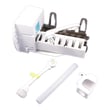
How to reset a GE refrigerator side-by-side?
To reset your GE PSHS6RGXBDSS side-by-side refrigerator, unplug it (or switch the breaker off) for about 1 to 2 minutes, then restore power and allow the controls to reboot. After a reset, give the temperatures up to 24 hours to fully stabilize.
- Power reset: Unplug the refrigerator for 1 to 2 minutes, then plug it back in.
- Breaker reset: Turn the refrigerator circuit breaker off for 1 to 2 minutes, then turn it back on.
- Exit OFF setting: If either temperature control is set to OFF, set it back to a temperature setting.
- Wait out defrost: If it seems “dead,” it may be in a defrost cycle; wait about 30 minutes.
After power is restored, confirm the basics so the reset actually helps:
- Make sure the plug is fully seated in the outlet.
- Check the house fuse or breaker if the unit still will not power on.
- Verify the temperature controls are not set to OFF.
- Set temperatures back to normal targets and avoid frequent door openings.
From the owner's manual, the factory presets and adjustment ranges are:
| Compartment | Factory preset | Adjustable range |
|---|---|---|
| Refrigerator | 37°F (3°C) | 34°F to 46°F (1°C to 8°C) |
| Freezer | 0°F (-18°C) | -6°F to +8°F (-21°C to -13°C) |
A reset clears minor control glitches and restores normal operation after a power interruption. It does not instantly change cooling performance; this refrigerator needs time to pull temperatures back down, especially after doors have been open or food was just loaded.
Last updated: February 2026
What is the most common problem with a GE refrigerator?
The most common problem we see with GE refrigerators like model PSHS6RGXBDSS is poor cooling (fresh food too warm, freezer not holding temp). In many cases, the root cause is restricted airflow or heat not being removed efficiently, which makes the compressor run longer and temperatures drift.
- Make sure air vents in the fresh food and freezer sections are not blocked by food packages.
- Avoid overfilling; cold air has to circulate to keep temperatures even.
- Confirm the doors close and seal fully (a slightly open door can cause warm temps and long run times).
- Give the refrigerator time after changes; many temperature changes take up to 24 hours to stabilize.
- Listen for normal operating sounds; newer high-efficiency compressors can run longer and sound different.
If the quick checks do not help, these are frequent culprits on side-by-side refrigerators:
| Symptom | Likely system | What typically fails | Example part for PSHS6RGXBDSS |
|---|---|---|---|
| Freezer cold, fresh food warm | Air movement | Evaporator fan not moving air | Refrigerator evaporator motor WR60X10307 |
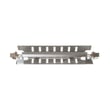
| Frost buildup, warming over time | Defrost system | Heater or defrost thermostat | Refrigerator defrost heater WR51X10055, refrigerator defrost bi-metal thermostat WR50X10065 |
| Temps swing or read wrong | Temperature sensing | Sensor out of range | GE profile refrigerator temperature sensor WR55X10025 |
Poor cooling is more than an inconvenience; it can lead to food spoilage and can make the refrigerator run for extended periods. Keeping airflow clear and the defrost and fan systems working correctly helps the unit cool evenly and operate efficiently.
For the correct control settings, operating notes, and care guidance for your exact refrigerator, use the owner's manual.
Last updated: February 2026
What is the average lifespan of a GE refrigerator?
Most GE refrigerators average 12 to 16 years of service life, and many run 10 to 20 years with normal use. For a side-by-side like GE PSHS6RGXBDSS, routine care (airflow, clean coils, fresh water filter) is what most often separates an early failure from a long-lasting refrigerator.
Refrigerator lifespan depends on usage, room temperature, and maintenance, but these ranges are common for full-size household units:
- 10 to 12 years: more repairs start showing up (fans, sensors, defrost issues)
- 12 to 16 years: typical “average” lifespan for many households
- 16 to 20 years: achievable with good maintenance and timely part replacement
A side-by-side with an ice and water dispenser has more moving parts, so small issues can snowball if ignored.
- Keep condenser area clean so the compressor does not run hot
- Make sure door gaskets seal tightly (warm air causes longer run times)
- Replace the water filter on schedule to protect the dispenser system
- Avoid overpacking; blocked vents reduce airflow and cooling performance
- Address frost buildup early (often tied to defrost heater, thermostat, or fan issues)
When cooling performance drops, fixing the root cause quickly helps prevent compressor overwork.
| Symptom | Common system involved | Example part on this model page |
|---|---|---|
| Warm fridge or freezer, fan noise changes | Temperature sensing or airflow | GE profile refrigerator temperature sensor WR55X10025 |
| Frost buildup on freezer back wall | Defrost system | Refrigerator defrost heater WR51X10055 or refrigerator defrost bi-metal thermostat WR50X10065 |
| Warm temps with weak airflow | Evaporator fan system | Refrigerator evaporator motor WR60X10307 |
| Bad taste, slow water flow | Filtration and water path | Refrigerator water filter MSWF |
A refrigerator that runs warmer or runs constantly is usually wearing out faster. Keeping temperatures stable and airflow clear reduces stress on the sealed system (compressor, condenser, evaporator) and helps your GE PSHS6RGXBDSS reach the upper end of the typical lifespan range.
For model-specific operating guidance and care intervals, use the owner's manual.
Last updated: February 2026