
What are the most common issues with S55HY22CHA?
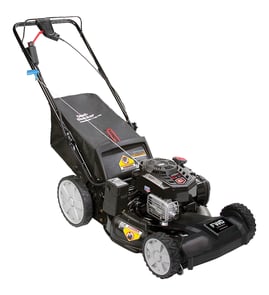
The most common issues we see on the Poulan S55HY22CHA walk-behind mower are drive problems (self-propel not pulling), poor cutting quality, and bagging or discharge issues. These usually trace to normal wear items like the drive belt, blade and adapter, or the discharge/bagging hardware.
Common symptoms and what to check first
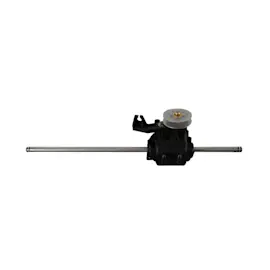
- Self-propel won’t move or slips: inspect the drive belt for glazing, cracking, or stretching; check the drive control cable for proper tension.
- Cuts unevenly or leaves strips: check for a bent or dull blade; confirm the blade adapter is not rounded or slipping.
- Excess vibration: stop using the mower and inspect the blade and adapter for damage; verify the blade bolt is tight.
- Poor bagging or clumping: check the grass bag for tears or clogging; confirm the discharge baffle is installed and not warped.
- Wheel area noise or wobble: inspect wheel hardware for missing retainers and worn dust covers.
Parts that commonly solve these problems
If your symptoms match, these model-compatible parts are common fixes:
| Symptom | Likely wear item | Example part on this model |
|---|---|---|
| Self-propel slips or won’t pull | Drive belt | Belt 532157769 |
| Poor cut quality, streaking | Blade | Lawn mower blade 532406713 |
| Blade won’t stay tight, vibration | Blade adapter | Lawn mower blade adapter 581547901 |
| Bagging issues | Grass bag | Lawn mower grass bag 583327701 |
| Side discharge problems | Discharge baffle | Discharge baffle 532176655 |
Quick safety and maintenance steps
- Shut off the engine and disconnect the spark plug wire before working near the blade.
- Tip the mower with the air filter and carburetor side up to reduce fuel and oil leakage.
- Clean packed grass from under the deck to improve airflow and bagging.
- Replace worn fasteners and washers if the blade hardware will not stay tight.
Why it matters
Drive and cutting components on a gas mower wear gradually; replacing the belt, blade, or blade adapter at the right time restores traction, improves cut quality, and reduces vibration that can damage the crankshaft and deck.
Last updated: March 2026
What is the most dependable lawn mower brand?
The most dependable lawn mower brand is the one that matches your yard size and gets regular maintenance; in our experience, Toro, Honda, and Husqvarna are consistently strong for reliability, while Poulan models like S55HY22CHA can be very dependable when kept tuned and the blade and drive system are maintained.
What “dependable” means for a walk-behind mower
Dependability usually comes down to how often the mower starts easily, cuts cleanly, and keeps self-propelled drive working without frequent repairs.
- Starts in 1 to 3 pulls (or quickly on electric start models)
- Holds steady RPM under load (thick or damp grass)
- Cuts evenly without leaving stragglers
- Self-propel drive engages smoothly and pulls consistently
- Parts support is easy (blade, belt, wheels, fasteners)
Brand comparison (practical reliability factors)
| Brand | Typical strengths | Best fit for | What to watch |
|---|---|---|---|
| Toro | Strong cut quality, good deck designs | Most suburban lawns | Keep blade sharp; clean deck buildup |
| Honda | Excellent engines, easy starting | Long-term ownership | Higher upfront cost; blade upkeep |
| Husqvarna | Solid parts availability, durable builds | Mixed terrain, frequent mowing | Drive wear items (belt, gears) |
| Poulan | Good value, straightforward service | Budget-friendly mowing | Stay on top of tune-ups and blade care |
How to make your Poulan S55HY22CHA more dependable
Most “brand reliability” problems are actually maintenance or wear-item issues. These steps prevent the most common failures.
- Sharpen or replace the blade regularly; a dull blade overloads the engine and tears grass (consider the lawn mower blade 532406713 if your blade is bent or badly worn)
- Keep the underside of the deck clean to prevent clumping and corrosion
- If self-propel slips or won’t pull, inspect the drive belt and linkage (the belt 532157769 is a common wear item on many walk-behind drive systems)
- Check wheels for wobble and debris; replace damaged wheel hardware as needed
- Use fresh fuel and don’t store gas in the tank for long periods
Why it matters
Choosing a dependable mower brand helps, but consistent upkeep is what keeps a mower starting easily, cutting cleanly, and avoiding expensive drive and blade-related repairs.
Related DIY help: how to sharpen a lawn mower blade, lawn mower wont move troubleshooting video motion drive failure
Last updated: January 2026
What's the average lifespan of a lawn mower?
A typical gas walk-behind lawn mower like the Poulan S55HY22CHA lasts 8 to 15 years. With consistent maintenance (cleaning, blade care, and seasonal storage), many homeowners get 10+ years of reliable mowing from a mower in this class.
What affects lifespan the most
- Maintenance frequency: regular oil changes, air filter service, and spark plug checks extend engine life.
- Blade condition: a dull or bent blade overloads the engine and drive system.
- Deck cleanliness: wet grass buildup traps moisture and speeds corrosion.
- Storage habits: stale fuel and off-season neglect shorten carburetor and fuel-system life.
- Usage intensity: large yards, steep slopes, and dusty conditions increase wear.
Maintenance schedule that helps you reach 10+ years
| When | What to do | Why it helps |
|---|---|---|
| Every mow | Clear grass from deck and vents (after it cools) | Prevents overheating and rust |
| Every 20 to 25 hours | Check oil level; change oil as needed | Protects internal engine parts |
| 1 to 2 times per season | Inspect and sharpen/replace blade | Reduces vibration and engine strain |
| End of season | Stabilize or drain fuel; clean thoroughly | Prevents hard starting next season |
For blade service steps and safety tips, use our guide: how to sharpen a lawn mower blade.
Parts that commonly wear out first (and what to watch for)
- Blade: uneven cut, vibration, or scalping; consider replacing with lawn mower blade 532406713.
- Drive system (self-propelled models): slipping or no forward motion; belt wear is common.
- Wheels and hardware: wobble, looseness, or poor traction.
- Starter components: frayed rope, sticking recoil, or hard pulls.
Why it matters
Planning around the typical 8 to 15 year lifespan helps you decide when to invest in tune-ups and wear parts (blade, belt, drive control) versus replacing the mower. Keeping the blade sharp and the deck clean is the fastest way to protect both cut quality and engine life.
Last updated: January 2026