Owner’s manual


How do I find the cubic feet of my dryer?
To find the cubic feet (capacity) of your Kenmore Elite dryer model 11097091601, we calculate the drum’s internal volume using its inside diameter and depth, then convert that volume to cubic feet. You can confirm measurement points and access specs in the 11097091601 owner's manual.
Measure the drum (quick steps)
- Unplug the dryer (and shut off gas if it is a gas model).
- Open the door and measure the inside drum diameter (left to right through the center).
- Measure the inside drum depth (front lip to the back wall through the center).
- Record both measurements in inches.
- Use the formula below to calculate cubic feet.
Capacity formula (in cubic feet)
A dryer drum is essentially a cylinder:
- Volume (cubic inches) = π × (Diameter ÷ 2)² × Depth
- Capacity (cubic feet) = Volume ÷ 1,728
Example calculation
| Drum diameter (in) | Drum depth (in) | Approx. capacity (cu ft) |
|---|---|---|
| 27 | 18 | ~6.0 |
Typical capacity ranges (for context)
| Dryer type | Typical capacity |
|---|---|
| Compact | 3.4 to 4.0 cu ft |
| Standard | 6.0 to 7.4 cu ft |
| Large capacity | 7.5 to 9.0 cu ft |
Why it matters
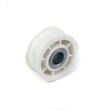
Knowing cubic feet helps us match your load size to the right cycle and airflow needs. Overloading can increase dry time and strain wear parts like the dryer idler pulley 279640 and drum support components.
Last updated: February 2026
How do I know if my Kenmore dryer thermal fuse is blown?
If your Kenmore Elite dryer model 11097091601 won’t start at all, or it runs but stops heating, a blown thermal fuse is a common cause. The sure way to confirm is a continuity test with a multimeter after unplugging the dryer; a blown fuse reads open (no continuity).
Quick symptoms checklist
- Dryer will not start (no motor run)
- Dryer runs but has no heat (some configurations)
- Cycle ends early or heat cuts out repeatedly
- You recently had poor airflow (clogged lint screen or vent)
- Burning smell or unusually hot cabinet (stop using the dryer)
How to test the thermal fuse (basic continuity test)
- Unplug the dryer (or switch off the breaker) and let it cool.
- Access the fuse location shown in the 11097091601 owner's manual.
- Remove at least one wire from the fuse terminal.
- Set your multimeter to continuity or the lowest ohms setting.
- Touch a probe to each fuse terminal.
What the meter reading means
| Meter result | What it means | Next step |
|---|---|---|
| Beep or near 0 Ω | Fuse is good | Check airflow, thermostat, igniter, or controls |
| No beep or OL/open | Fuse is blown | Replace the fuse and correct the airflow problem |
Why the fuse blows (and what to fix so it doesn’t happen again)
A thermal fuse usually opens because the dryer overheats, most often from restricted airflow. Before running the dryer after a fuse replacement, we recommend:
- Clean the lint screen (and confirm it is not coated with fabric softener residue)
- Inspect and clear the exhaust duct and outside vent hood
- Confirm the blower is moving air; a damaged blower wheel can reduce airflow
- Avoid crushing or kinking the vent hose behind the dryer
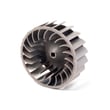
If airflow is weak inside the cabinet, a worn blower wheel such as the dryer blower wheel WP697772 can be part of the problem.
Why it matters
The thermal fuse is a safety device; bypassing it can allow overheating. Replacing the fuse without fixing the underlying venting or airflow issue often leads to repeat failures.
Last updated: February 2026
Is Kenmore Elite high end?
Yes. Kenmore Elite is Kenmore’s higher-end line, and the Kenmore Elite dryer model 11097091601 is built around convenience features and multiple fabric cycles aimed at better performance and easier use than basic models. For the exact features and cycle options on your unit, use the 11097091601 owner's manual.
What “high end” means for Kenmore Elite dryers
Kenmore Elite typically focuses on a more premium user experience, including more cycle choices and better control over drying results.
Common “Elite” advantages include:
- More specialized cycles (for example: bulky/bedding, jeans, ultra delicate)
- More temperature selections (high to extra low, plus air-only options)
- Convenience features that help optimize loads and reduce overdrying
- Better fit and finish compared with entry-level Kenmore dryers
- More serviceable design with widely available replacement parts
Quick way to judge if your specific dryer is “high end”
Use this checklist on model 11097091601:
- Does it offer multiple automatic cycles plus timed cycles?
- Does it include an air-only (no heat) cycle for heat-sensitive items?
- Do you have cycle modifiers (more time, less time, temperature changes)?
- Does it handle bulky loads with a dedicated cycle?
Feature snapshot (typical on this model family)
| Category | What you’ll usually see | Why it feels “premium” |
|---|---|---|
| Automatic cycles | Multiple fabric-based choices | Less guesswork for different loads |
| Timed cycles | Timed dry, touch up, air fluff | More control for specialty items |
| Temperature range | High down to extra low, plus no-heat | Better fabric care |
Why it matters
A “high-end” dryer is less about a label and more about results: fewer damp spots, fewer wrinkles, and less fabric damage. Using the right cycle and temperature (especially air-only for rubber, plastic, or foam items) helps protect clothing and the dryer.
Last updated: February 2026
Is it worth repairing an old Kenmore dryer?
Yes, repairing an older Kenmore Elite dryer like model 11097091601 is usually worth it when the problem is a common wear item (roller, idler pulley, blower wheel, door latch) and the dryer is otherwise heating and tumbling normally. Replacement makes more sense when multiple major systems are failing at once.
A simple way to decide (cost vs. benefit)
Use this quick checklist before you buy parts:
- If the dryer still heats and dries well, fixing noise, squeaks, or a no-tumble issue is typically a good repair.
- If the drum does not turn but the motor runs, the belt and idler system is a strong suspect.
- If drying times are long, check airflow and lint buildup first (often not a “parts” problem).
- If you smell gas or suspect a gas leak, stop using the dryer and have a qualified technician check it.
- Confirm cycle and safety guidance in the 11097091601 owner’s manual.
Repairs that are commonly “worth it” on this model
These are high-value fixes because they address frequent wear points and restore normal operation:
- Drum support and roller wear: support WPW10314173
- Belt tension and squeal issues: dryer idler pulley 279640
- Air movement and rumbling: dryer blower wheel WP697772
- Door not staying closed: catch 279570
When replacement is the better call
If you are seeing several of these at the same time, replacement is usually the smarter investment:
- Repeated shutdowns from overheating (after the venting is confirmed clear)
- Multiple expensive components needed at once (motor plus gas burner parts, for example)
- Heavy corrosion, damaged drum, or extensive cabinet damage
| Situation | Typical recommendation |
|---|---|
| Single wear part (roller, idler, latch) | Repair |
| Airflow restriction or lint buildup | Clean/maintain first |
| Multiple major failures at once | Replace |
Why it matters
A well-maintained dryer can run safely and efficiently, but the manual’s safety warnings are important: keep flammables away from the dryer and avoid drying items contaminated with gasoline, oil, foam, rubber, or plastic except on appropriate no-heat cycles as directed in the manual.
Last updated: February 2026
What are common problems with Kenmore dryers?
Common problems we see with Kenmore dryers like model 11097091601 include no heat, long dry times, the drum not turning, and loud squealing or thumping. Most of these issues trace back to airflow restrictions (lint buildup) or normal wear on drive and gas-heat components; check the 11097091601 owner's manual for cycle and safety guidance.
Most common symptoms and likely causes
- Dryer will not heat (gas model): weak burner ignition or gas valve operation (often coils or igniter)
- Long drying times: restricted venting, clogged lint screen, or a damaged blower wheel
- Drum not turning: worn idler pulley, drum rollers, or a failing drive motor
- Loud noise: flat-spotted drum support rollers, worn idler pulley, or a loose blower wheel
- Door won’t stay closed: worn door latch/catch
Quick checks we recommend first (fast and free)
- Clean the lint screen and confirm strong airflow at the outside vent hood.
- Run a timed cycle and verify the drum tumbles smoothly without squeals.
- For gas heat complaints, listen for ignition: you should typically hear the burner light after startup.
- Stop using the dryer if you smell gas; have the gas supply and burner system checked.
Parts that commonly fix these problems on 11097091601
| Symptom | Commonly involved part | Example part for this model |
|---|---|---|
| Squealing/thumping | Drum support rollers, idler pulley | Support WPW10314173, dryer idler pulley 279640 |
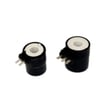
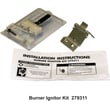
| No heat (gas) | Gas valve coils, igniter, radiant sensor | Dryer gas valve coil kit 279834, igniter 279311, dryer radiant sensor WP338906 |
| Long dry times | Blower wheel, lint ducting, thermistor | Dryer blower wheel WP697772, dryer thermistor WP8577274 |
Why it matters
Airflow and heat problems can cause repeated shutdowns, poor drying performance, and extra wear on the drive system. Keeping lint under control and addressing early noises helps prevent bigger repairs.
Last updated: February 2026
What is the life expectancy of a Kenmore dryer?
A Kenmore dryer typically lasts 10 to 13 years. With consistent lint and vent cleaning, correct cycle selection, and avoiding overloads, many Kenmore Elite dryers like model 11097091601 run 15 years or longer before major repairs become common. For care and safety basics, follow the 11097091601 owner's manual.
What most affects dryer lifespan
- Airflow: a restricted vent makes the dryer run hotter and longer, wearing out parts faster.
- Lint control: cleaning the lint screen every load reduces strain on the blower and motor.
- Load size: overloading stresses the drum support system and drive components.
- Heat management: repeated overheating shortens the life of sensors and gas ignition parts.
- Cycle habits: using the right temperature and cycle for the fabric prevents unnecessary run time.
Maintenance schedule we recommend
| Task | How often | Why it matters |
|---|---|---|
| Clean lint screen | Every load | Keeps airflow strong and drying times normal |
| Check vent airflow at outside hood | Monthly | Prevents overheating and long dry times |
| Clean vent duct (full run) | Every 6 to 12 months | Reduces heat stress and improves efficiency |
| Inspect drum support and belt noise | Yearly | Catches wear before it becomes a breakdown |
Parts that commonly wear as dryers age
If your 11097091601 starts squealing, thumping, or taking longer to dry, these are frequent wear items:
- Drum support roller: support WPW10314173
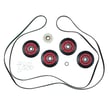
- Belt and wear components (often replaced together): dryer repair kit 4392067
- Air-moving component (if you hear rattling or poor airflow): dryer blower wheel WP697772
Why it matters
A dryer that is maintained for proper airflow and correct cycle use dries faster, runs cooler, and puts less load on the drive motor, drum supports, and heat system. That combination is what pushes a Kenmore Elite dryer past the typical 10 to 13 year range.
Last updated: February 2026
What model number is the Kenmore Elite 11097091601 dryer?
The model number for this Kenmore Elite dryer is 11097091601. You will typically find it on the dryer’s model and serial tag (often inside the door opening or on the door frame); match the full number exactly when ordering parts or using the 11097091601 owner's manual.
Where to find the model number on the dryer
Check these common locations on Kenmore dryers:
- Inside the door opening on the cabinet frame
- On the back panel of the dryer cabinet
- Along the door frame area near the lint screen housing
- On the lower front area behind the toe panel (some configurations)
Why the exact model number matters
Kenmore model numbers can look similar, but small differences change the correct parts list, wiring, and cycle features. Using 11097091601 helps ensure you get the right Kenmore Elite dryer parts the first time.
| What you’re doing | Use this identifier | Why it helps |
|---|---|---|
| Ordering replacement parts | Model number: 11097091601 | Filters to the correct diagrams and compatible parts |
| Looking up operating steps and cycles | 11097091601 owner's manual | Confirms cycle options, settings, and care guidance |
| Troubleshooting electronic issues | Error code guide (by series) | Speeds up diagnosis when a code appears |
Quick tip before ordering parts
Use the model number plus the part name to avoid mix-ups, especially for common wear items.
- Drum support roller (example: support WPW10314173)
- Idler pulley (example: dryer idler pulley 279640)
- Moisture sensor (example: dryer moisture sensor WP3387223)
Why it matters
Correct identification prevents ordering the wrong component, reduces downtime, and helps your dryer run safely and efficiently.
Last updated: February 2026
Where is the model number on Kenmore Elite dryer?
On Kenmore Elite dryer model 11097091601, the model number is on the appliance identification label. We most often find it in the door opening on the cabinet frame (top, side, or front edge) after you open the dryer door; check the full label for both model and serial.
Most common label locations to check
- Inside the dryer door opening on the cabinet frame (top rail is common)
- On the left or right front frame just behind the door
- On the inner surface of the dryer door
- On the back panel (less common, but worth a quick look)
How to find it fast (and avoid mix-ups)
- Open the dryer door and use a flashlight.
- Look for a sticker or metal plate with MODEL and SERIAL.
- Write the model number exactly as shown (for this unit: 11097091601).
- If the label is worn, take a photo and zoom in.
What the label typically includes
| Label item | What it’s used for | Why you need it |
|---|---|---|
| Model number | Identifies the exact dryer design | Ensures correct parts and diagrams |
| Serial number | Production code and build series | Helps match revisions and service info |
| Electrical/gas ratings | Power and fuel requirements | Helps with safe troubleshooting |
Why it matters
Kenmore Elite dryers can look similar across multiple series. Using the exact model number helps us match the right parts (like a drum support roller, idler pulley, or thermistor) and the correct procedures in the 11097091601 owner’s manual.
Last updated: February 2026