Owner’s manual



What trimmer line does Craftsman use?
For the Craftsman gas trimmer model 316791190, we use 0.095 in (2.41 mm) trimmer line. This model is designed for standard single line or SplitLine® setups, and using the specified diameter helps prevent overheating and premature engine damage (especially with a bump-feed head).
Use quality nylon trimmer line in the correct diameter.
- Use OEM-style 0.095 in replacement line for best feed and cutting performance
- Avoid metal-reinforced line, wire, chain, or rope (these can break and become dangerous projectiles)
- Keep the line properly extended so the shield blade can trim it to the correct length
- If line feed becomes difficult, the line is often too short or wound incorrectly
| Item | What to use | Why it matters |
|---|---|---|
| Line diameter | 0.095 in (2.41 mm) | Correct load on the engine and proper bump-feed release |
| Head style | Bump Head™ style feed | Releases about 1 inch per bump during high-speed operation |
| Line material | Nylon trimmer line | Predictable wear and safer operation |
Your manual outlines two common approaches; these lengths are a solid baseline for this model.
- Single line (two equal lengths): start with about 20 ft (6 m) total, folded into two equal lengths
- SplitLine®: start with about 10 ft (3 m)
- Wind in tight, even layers in the direction shown on the inner reel
- Do not overlap the line ends; overlapping commonly causes jams and poor feeding
On a 2-cycle Craftsman trimmer like the 316791190, line diameter directly affects engine load. Oversized or incorrect line can make the engine run hotter, reduce RPM, and shorten engine life. Correct line also feeds more consistently through the cutting head.
For the exact line installation steps and winding direction, follow the 316791190 operator’s manual.
Last updated: February 2026
How to replace line on Craftsman gas trimmer?
To replace trimmer line on your Craftsman 316791190 gas trimmer, we remove the bump knob, pull out the inner reel, and wind new 0.095-in (2.41 mm) line in tight, even layers in the direction shown on the reel so it feeds smoothly without tangling (no overlapping).
- Shut the engine off and let the muffler cool before servicing the cutting head.
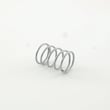
- Work on a flat surface so the spring and reel parts do not roll away.
- Use only 0.095-in (2.41 mm) trimmer line; metal-reinforced line, wire, chain, or rope is unsafe.
- Clean grass and debris from the cutting head and debris shield area.
Reference steps and diagrams in the 316791190 owner's manual.
- Hold the outer spool; unscrew the bump knob counterclockwise.
- Remove the inner reel; take out the spring.
- Clean the inner reel, spring, shaft, and inside of the outer spool.
- Check the indexing teeth for wear; remove burrs if needed.
- Wind new line using the method that matches your head:
| Head type | Line to cut | Key winding tip |
|---|---|---|
| Standard single line | About 20 ft (6 m), folded into two equal lengths | Keep layers tight and even; separate the two lines with a finger to prevent overlap |
| SplitLine | About 10 ft (3 m) | Follow the reel direction exactly; incorrect direction causes poor feeding |
- Reinstall the spring into the inner reel.
- Seat the inner reel back into the outer spool.
- Thread line ends through the eyelets (if applicable) and reinstall the bump knob.
- Pull both line ends to confirm they move freely.
- Start the trimmer and bump-test briefly; line should advance without sticking.
Correct line diameter, correct length, and non-overlapping wraps prevent tangles and feeding problems. Winding in the direction marked on the reel also helps avoid overheating and poor cutting-head operation.
Last updated: February 2026
Which is better, .080 or .095 trimmer line?
For the Craftsman gas trimmer model 316791190, .095 in. trimmer line is the better choice because it’s the specified line diameter for this cutting head; it holds up better in thicker weeds and helps the trimmer run as designed. Use the line size and type listed in the 316791190 owner's manual.
| Feature | .080 in. line | .095 in. line |
|---|---|---|
| Best for | Light grass, fine edging | Thicker grass, weeds, heavier trimming |
| Durability | Lower | Higher |
| Load on engine | Lower | Higher |
| Fit for 316791190 | Not the specified size | Specified size |
The manual calls for 0.095 in. (2.41 mm) replacement line and warns against using non-specified line because it can contribute to overheating or poor performance.
- Use 0.095 in. line and keep it properly wound on the reel.
- Do not use metal-reinforced line, wire, chain, or rope.
- Bump the head on bare ground or hard soil to advance line; bumping in tall grass can stall the engine.
- Keep the cutting head parallel to the ground; don’t force the line into fences, walls, or hard objects.
- Do not remove or alter the line cutting blade on the debris shield; it trims excess line to the correct length.
If you only do very light trimming and want slightly less drag, .080 can feel smoother, but on this Craftsman trimmer it’s not the specified diameter. For best results and correct line length control, we stick with the manual’s .095 guidance.
Line diameter affects cutting efficiency, bump-feed behavior, and engine load. Using the correct .095 in. line helps your 316791190 maintain the intended cutting path and reduces premature wear from constantly breaking or overfeeding line.
Last updated: February 2026
Why does the cable in my strimmer line keep breaking?
On the Craftsman 316791190 gas trimmer, the trimming line most often breaks because it is being forced into hard objects (walls, fence posts, edging) or it is getting fatigued, tangled, or used on thick, stalky weeds. Using the correct 0.095-inch line and letting the tip do the cutting reduces breakage.
- Hitting hard surfaces: keep the cutting head parallel to the ground and avoid scraping stone, concrete, or metal edging.
- Forcing the line: do not push the head into walls or posts; “tip cutting” works best.
- Line too short: bump-feed small amounts so the line stays fully extended.
- Thick weeds: cut tall or heavy growth in small passes from top to bottom.
- Wrong line type: use 0.095 in (2.41 mm) OEM line; never use wire, rope, or metal-reinforced line.
Use this checklist before you trim:
- Inspect the cutting head and shield for cracks or damage.
- Clear the area of wire, glass, and other debris that can snag the line.
- Confirm the line diameter is 0.095 in and the spool is wound cleanly.
- Tap the bump head on bare ground or hard soil (not in tall grass) to feed line.
- Do not rest the bump head on the ground while the engine is running.
| What you notice | Most likely cause | Best fix |
|---|---|---|
| Line snaps instantly near edging | Contact with hard objects | Back off the edge; trim with the line tip |
| Line frays and breaks often | Normal fatigue or debris | Replace line; clear the area first |
| Line breaks when you “power through” weeds | Cutting too thick/heavy growth | Cut in smaller increments |
| Line will not feed, then breaks | Line too short or tangled | Rewind spool; bump-feed more often |
Frequent line breakage wastes line and can overload the trimmer when you run with excessive line length or try to cut with more than the tip. Keeping the line at the proper length and using the correct diameter helps protect the engine and improves cutting efficiency.
For line type, bump-feed technique, and safety guidance, follow the 316791190 owner's manual.
Last updated: February 2026
What size is the fuel line on a Craftsman trimmer?
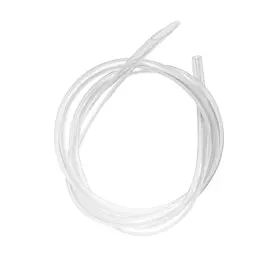
For the Craftsman gas trimmer model 316791190, the operator’s manual does not list a fuel hose inside diameter or outside diameter. The correct approach is to match the replacement fuel line to your trimmer’s tank grommet and carburetor fittings so it seals tightly and feeds fuel without air leaks; use the 316791190 operator's manual for fuel system routing and service steps.
Use the old line as your template and confirm fit at every connection point.
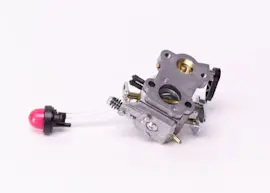
- Remove the air filter cover to access the carburetor fuel nipples.
- Pull the fuel lines from the tank carefully; note which line has the in-tank fuel filter.
- Measure the old line with calipers: ID (inside diameter) and OD (outside diameter).
- Test-fit the new line on the carburetor nipples; it should push on firmly and seal without splitting.
- Check the tank pass-through grommet; the line must fit snugly so it does not suck air.
- Replace any brittle grommet or cracked primer-related fittings at the same time.
Many 2-cycle trimmers use one smaller return line and one larger supply line, but the exact size varies by tank grommet and carburetor nipple.
| Line location (typical) | What matters most | What to verify |
|---|---|---|
| Tank to carburetor (supply) | ID large enough to avoid restriction | No kinks, tight seal at grommet and carb |
| Carburetor to primer/return (if equipped) | OD that seals at fittings | No loose fit, no fuel seepage |
- Primer bulb does not fill or takes many presses
- Starts, then dies when you open the throttle
- Surging or “lean” running (air leak at grommet or fitting)
- Fuel seepage at the tank opening or carburetor nipple
On a 2-cycle Craftsman trimmer like 316791190, a slightly loose fuel line fit pulls air into the fuel system. That causes hard starting, stalling, and poor acceleration even when the carburetor is good.
Last updated: February 2026