Owner’s manual
 Error Codes


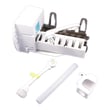
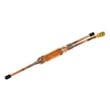
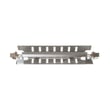
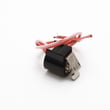
Why is my GE side by side freezer freezing up?
Freezer frost and ice buildup in your GE GSHL5KGXDCLS side-by-side refrigerator almost always happens when warm, moist air gets into the freezer or when airflow across the evaporator area is restricted. The most common fixes are improving the door seal, restoring airflow, and checking the defrost system.
Quick checks that fix most freeze-ups
- Make sure the freezer door closes fully and is not held open by a bin, shelf, or food package.
- Inspect the door gasket for gaps, tears, or areas that look flattened; clean it with mild soap and water and dry it.
- Confirm shelves and baskets are pushed all the way back before closing the door (mispositioned shelves can prevent a good seal).
- Keep food from blocking the rear air passages; the manual notes that placing food in front of the louvered air components can affect temperature performance.
- If you recently added a lot of warm food or had a power outage, allow 24 hours for temperatures to stabilize.
If frost keeps returning: likely causes
Air leak (most common)
Warm kitchen air entering the freezer creates moisture that freezes on cold surfaces.
Defrost system problem
If the evaporator coils ice over, airflow drops and the freezer can “freeze up” with heavy frost. Common defrost-related parts include:
- Defrost heater
- Defrost thermostat
- Temperature sensor
Parts that commonly relate to this symptom (for this model)
| Symptom you see | What it often points to | Example part for GSHL5KGXDCLS |
|---|---|---|
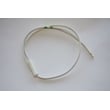
| Heavy frost on back wall, weak airflow | Defrost system not clearing ice | Refrigerator defrost heater WR51X10055 |
| Frost returns quickly after manual defrost | Defrost thermostat not opening/closing correctly | Refrigerator defrost bi-metal thermostat WR50X10065 |
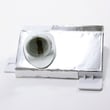
| Temps swing, frosting seems inconsistent | Sensor/control not reading correctly | GE profile refrigerator temperature sensor WR55X10025 |
Why it matters
Frost buildup reduces airflow and forces the compressor and evaporator fan to run longer, which can cause warmer refrigerator temps, poor ice production, and higher energy use.
Safety and handling notes
- Unplug the refrigerator before removing panels or testing parts.
- Setting controls to OFF does not remove power to the light circuit (per the manual).
For model-specific airflow and control details, follow the guidance in the owner's manual.
Last updated: February 2026
Are GE side by side refrigerators good?
Yes. GE side-by-side refrigerators like model GSHL5KGXDCLS are a solid choice for everyday use because they are designed for consistent temperature control, convenient ice and water dispensing, and flexible storage with shelves and bins. Use the GSHL5KGXDCLS owner's manual to match features and care steps to your exact unit.
What “good” looks like for this model style
A good side-by-side refrigerator keeps both compartments stable, makes ice reliably, and maintains strong airflow through the freezer and fresh food sections.
Common strengths owners value:
- Easy access to frozen and fresh foods without bending
- Built-in ice and water dispenser convenience
- Adjustable shelves and door bins for organization
- Clear lighting and visibility
- Straightforward temperature controls (set-and-forget once dialed in)
What to watch for (typical side-by-side tradeoffs)
These are normal considerations for many side-by-side designs:
- Ice makers can sound loud during harvest cycles
- Ice production can feel slow if water pressure is low or the filter is restricted
- Narrower shelf width than a French door design (wide platters can be tricky)
- Airflow issues show up faster if vents are blocked by food packages
Quick “is it performing well?” checklist
We use these practical checks to judge performance:
- Freezer holds about 0°F and fresh food holds about 37°F
- Ice cubes are full-sized (not hollow) and dispenser flow is steady
- No heavy frost buildup on the freezer back wall
- Fans run smoothly without grinding or squealing
- Door seals close fully with no gaps
Parts that often restore performance
If cooling or dispensing performance drops, these model-compatible parts are common fixes:
| Symptom | Common cause | Example part for this model |
|---|---|---|
| Warm temps or temp swings | Sensor or airflow issue | GE profile refrigerator temperature sensor WR55X10025 |
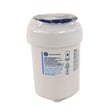
| Slow water flow, bad taste | Clogged filter | GE refrigerator water filter MWFP |
| No water/ice dispensing | Inlet valve problem | Refrigerator water valve WR57X33326 |
| Frost buildup, warm fridge | Defrost failure | Refrigerator defrost heater WR51X10055 |
Why it matters
A “good” refrigerator is one that holds safe food temperatures and delivers consistent ice and water. When performance slips, it is usually a serviceable system (filtering, water supply, defrost, sensors) rather than a reason to replace the whole refrigerator.
Last updated: February 2026
How to force defrost GE side-by-side refrigerator?
On the GE GSHL5KGXDCLS side-by-side refrigerator, defrost is designed to run automatically; there is not a standard customer control to “force” a defrost cycle. If you suspect it is currently defrosting, wait about 30 minutes and recheck cooling and airflow (the manual notes this as normal). See the owner's manual for your model’s control features and troubleshooting steps.
Quick checks before you try anything else
- Confirm both temperature controls are set to a cooling temperature (not OFF).
- Make sure the doors fully close and nothing is holding them open.
- Listen for the evaporator fan in the freezer; weak or no airflow can mimic a defrost problem.
- Look for heavy frost on the freezer back wall (a common sign of a defrost system issue).
- Unplug the refrigerator for 5 minutes, then plug it back in to reset the control.
What “defrost mode” looks like on this model
During a normal defrost cycle, you can see symptoms that feel like a failure but are normal:
| What you notice | What it usually means | What to do |
|---|---|---|
| Cooling pauses briefly | Refrigerator is in a defrost cycle | Wait about 30 minutes |
| Water droplets or sizzling sounds | Defrost heater melting frost | This is normal |
| Compressor seems to run more after door openings | Adaptive defrost behavior | Keep doors closed and allow time |
If you have heavy frost buildup (likely defrost system trouble)
If the freezer panel is icing over repeatedly, the most common repair path is checking the defrost heater and defrost thermostat, plus airflow.
- Inspect the freezer evaporator area for a solid frost blanket.
- Check wiring connections for looseness or damage.
- Test defrost components with a multimeter (power disconnected).
- Replace failed defrost parts as needed.
Model-matched parts commonly involved include the refrigerator defrost heater WR51X10055 and the refrigerator defrost bi-metal thermostat WR50X10065.
Why it matters
A working defrost system keeps the evaporator coil clear so the evaporator fan can move cold air. When frost blocks airflow, the freezer may warm up, the fresh food section may get too warm, and the compressor can run longer than normal.
Last updated: February 2026
What are the most reliable side-by-side refrigerators?
GE side-by-side refrigerators are consistently a strong reliability pick, especially when you choose simpler configurations (fewer dispenser and ice-maker features). For long-term dependability, we look for proven cooling systems, easy-to-service designs, and steady temperature control; use your GSHL5KGXDCLS owner's manual to compare features and maintenance needs.
What “reliable” means for a side-by-side
Reliability is mostly about stable temperatures, fewer breakdown-prone features, and parts that are easy to diagnose and replace.
- Holds set temperatures in both fresh food and freezer sections
- Defrost system prevents heavy frost and airflow blockage
- Ice and water system works without leaks or frequent clogs
- Fans run smoothly (no grinding, squealing, or intermittent stops)
- Door seals stay tight to prevent moisture and warm-air intrusion
Brand and design guidance (what we see most often)
Across major brands, the most reliable side-by-sides tend to share the same theme: simpler is better.
| What to prioritize | Why it helps reliability | What to watch for |
|---|---|---|
| Fewer dispenser features | Fewer moving parts and switches | More manual ice handling |
| Strong defrost performance | Prevents warm temps and frost buildup | Heater, thermostat, sensor failures |
| Easy airflow path | Better cooling consistency | Blocked vents, iced evaporator |
| Good door sealing | Reduces compressor run time | Warped doors, torn gaskets |
How your GE GSHL5KGXDCLS fits the reliability picture
Your GE GSHL5KGXDCLS is a solid example of a common, serviceable side-by-side layout. If you are evaluating reliability based on real-world ownership, focus on the systems that most often drive “no-cool” or “warm fridge” complaints:
- Temperature sensing: a failing sensor can cause erratic temps (see GE profile refrigerator temperature sensor WR55X10025)
- Defrost system: frost buildup can choke airflow (common parts include refrigerator defrost heater WR51X10055 and refrigerator defrost bi-metal thermostat WR50X10065)
- Air movement: weak airflow can mimic a sealed-system problem (see refrigerator evaporator motor WR60X10307)
Why it matters
A “reliable” side-by-side is one that keeps food safe with minimal intervention. When temperatures drift, the refrigerator runs longer, energy use rises, and ice and water issues tend to follow.
Last updated: February 2026